Falling Dollar Puts Trump’s Trade Agenda, Fed Goals at Risk
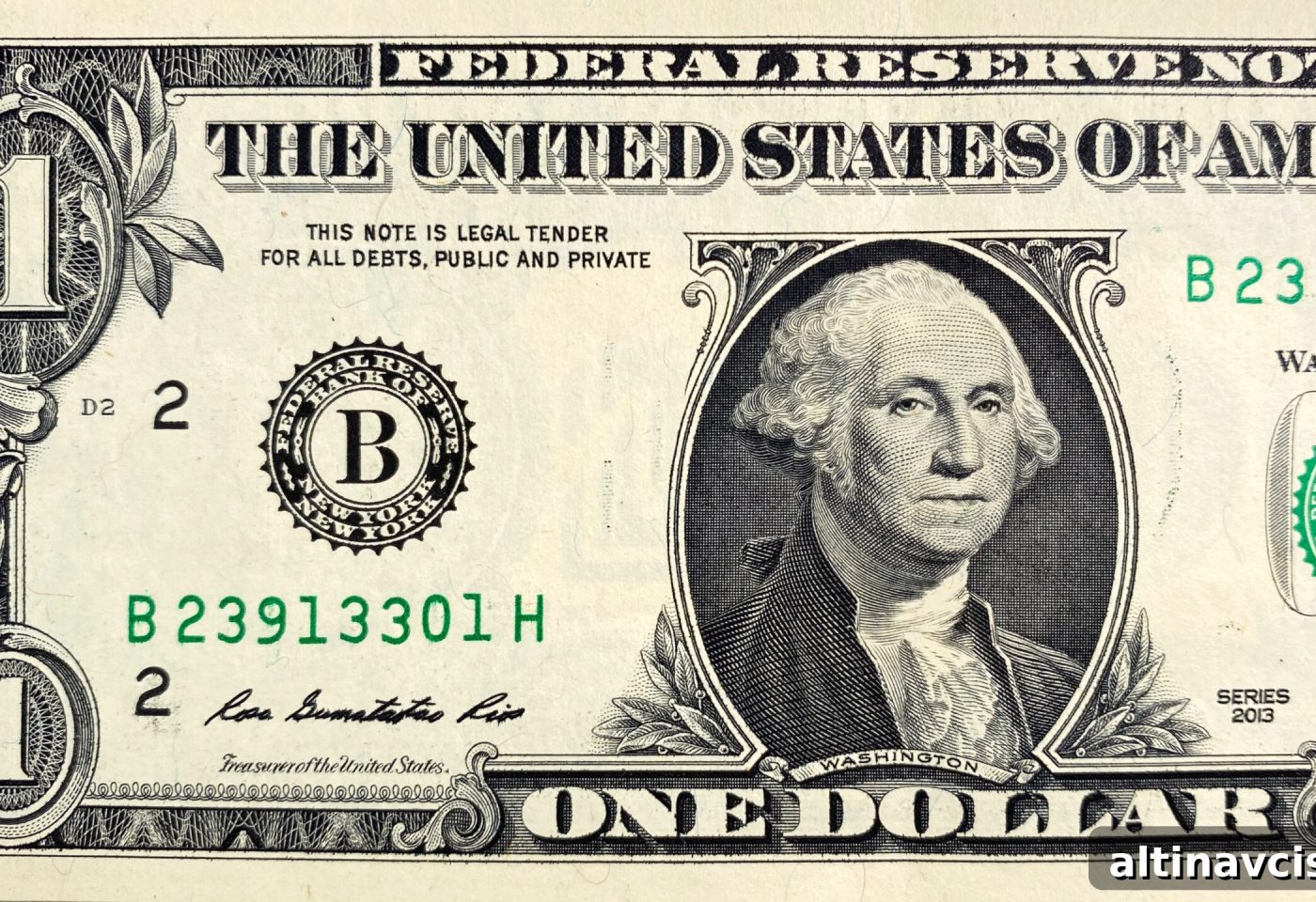
U.S. Dollar Drops Nearly 10% in First Half of the Year: What It Means for Tariffs, Inflation and Policy
In the first half of the year the U.S. dollar weakened by nearly 10%, a decline that surprised many observers who expected tariff measures to support the currency. This shift has broad implications across trade, prices and economic policy. While the weaker dollar can help American exporters by making U.S. goods cheaper overseas, it also raises the cost of imports and increases inflationary pressures—effects that can complicate policy goals for low consumer prices and steady interest rates.
How a Softer Dollar Interacts with Tariffs
A declining dollar can partly offset the intended impact of tariffs. Tariffs make imported goods more expensive for domestic consumers, but when the dollar falls, imported goods become pricier in dollar terms regardless of tariff levels. At the same time, a weaker currency tends to make U.S. exports more competitive in global markets by lowering their foreign-currency price. This dynamic can “soften” the visible effect of trade barriers on export competitiveness while simultaneously boosting the cost of imported inputs used by U.S. businesses and consumers.
Inflation Risks and Consumer Prices
One of the main concerns with a weaker currency is upward pressure on prices. Higher import costs can feed into consumer prices for a wide range of goods, from electronics and clothing to raw materials and energy products. When those input costs rise, producers may pass them on to consumers, generating inflation. For policymakers and political leaders who emphasize low consumer prices, rising inflation presents a clear policy challenge, especially if wage growth does not keep pace.
Monetary Policy and Interest Rate Considerations
Currency movements complicate the environment in which central banks set interest rates. If inflation pressures intensify because of a weaker dollar, the case for tighter monetary policy could strengthen, potentially prompting higher interest rates to rein in price gains. Conversely, policymakers must weigh how higher rates might interact with economic growth, employment and financial markets. Currency shifts therefore add an extra layer of complexity to decisions about the appropriate path for interest rates.
Political Messaging and Mixed Signals
Public messaging from political leaders about the desired strength of the dollar can create mixed signals. For example, affirmations that a strong dollar is preferred can sit uneasily with policies or market developments that produce a softer currency. These mixed cues may make it more difficult for markets and businesses to anticipate policy priorities, and they can complicate coordination between fiscal authorities and the central bank when addressing trade-offs among growth, inflation and exchange rates.
Practical Effects for Businesses and Consumers
The practical consequences of a nearly 10% decline in the dollar over six months are felt differently across sectors. Exporters generally gain from improved price competitiveness abroad, which can support sales and production. Importers and companies that rely on foreign inputs face higher costs that can squeeze margins or trigger price increases for end customers. Retailers who import finished goods may need to decide whether to absorb higher costs or pass them along, while manufacturers that source parts globally could see their production expenses rise.
Looking Ahead
The recent currency trend highlights the interconnected nature of trade policy, exchange rates and domestic price stability. A softer dollar can cushion some effects of tariffs for exporters but simultaneously exacerbate inflationary pressures and complicate monetary policy decisions. As markets and policymakers digest these developments, businesses and consumers will need to watch exchange rate movements and official signals closely to assess potential impacts on prices, interest rates and trade competitiveness.
Popular Topics
Picked from the archive
-
01
 Topics
Tariff Uncertainty Could Push US Into Recession by Fall 2025
-
02
Topics
CBO: Trump Tax Law Increases U.S. Deficit by 3.4 Trillion
-
03
Topics
U.S.-Japan Deal Cuts Tariff Threats, Key Details Remain Unclear
-
04
Topics
Dollar Falls After Moody’s Downgrade and New Tax Bill
-
05
Topics
Asia’s Ultra-Rich Turn to Gold as Demand Soars
-
06
Topics
Analysts Say China’s Gold Reserves May Be Twice Official Figures
-
07
Topics
How Central Banks Shaped Gold Demand in Q1 2025
-
08
Topics
Gold Eyes Largest Weekly Gain in a Month Amid US Fiscal Fears