Gold Soars to $3,385 Amid Israel-Iran Tensions, Trump Tariffs

Gold Rises to $3,385.27 as Geopolitical and Trade Developments Drive Safe-Haven Demand
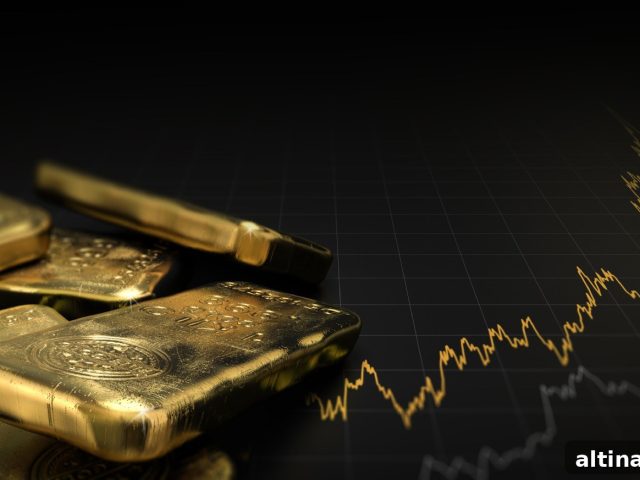
Gold rallied to $3,385.27 per ounce Thursday, an advance of about 0.9%, as investors reacted to two major international developments that heightened uncertainty in global markets. The precious metal’s move higher reflects its traditional role as a safe-haven asset when geopolitical risk and trade policy uncertainty rise.
Escalation in the Middle East Spurs Safe-Haven Buying
Markets were on edge after reports indicated rising tensions in the Middle East. Accounts emerged that Israel was preparing possible military action against Iran, prompting heightened regional concerns. In response to the deteriorating security environment, the United States carried out partial evacuations from its embassy in Iraq, underscoring the perceived seriousness of the situation.
At the same time, Iran announced plans to expand uranium enrichment activities following censure by the United Nations. While details were limited in initial reports, the announcement intensified geopolitical worries and added to market volatility. Such developments typically push investors toward assets viewed as reliable stores of value, including gold and government bonds.
Tariff Announcements Add to Market Uncertainty
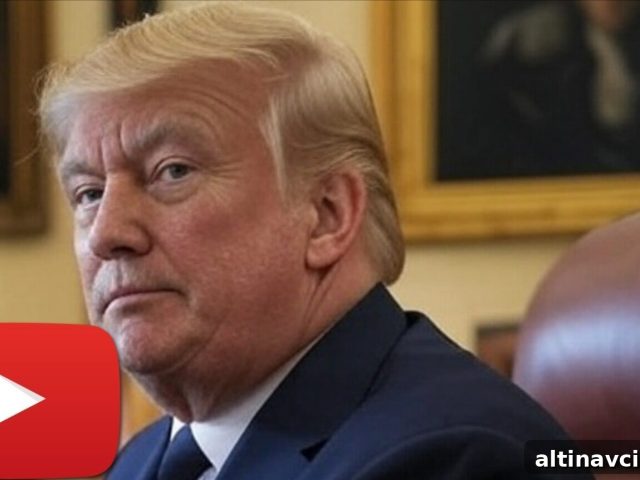
Compounding the geopolitical concerns, President Trump confirmed that new tariffs on several U.S. trading partners will be imposed within the next two weeks. At the same time, he indicated that current tariff levels with China would remain in place under a completed trade framework. The combination of new tariffs and ongoing trade policy measures has amplified uncertainty around global growth, supply chains and corporate profits.
Trade tensions tend to weigh on risk assets such as equities and can increase demand for commodities that are considered hedges against geopolitical and economic risk. Gold frequently benefits from such dynamics, as investors look to protect capital against currency fluctuations, inflationary pressure and market turbulence.
Why Gold Reacted
The rise in gold prices reflects several overlapping forces:
- Geopolitical risk: Reports of potential military action and increased regional instability boost demand for safe-haven assets.
- Trade uncertainty: Announced tariffs raise concerns about slower global growth and higher costs, both of which tend to increase interest in gold.
- Flight to liquidity: In volatile periods investors often reallocate from riskier assets into cash and gold, supporting bullion prices.
These factors can act together to create outsized moves in precious metals markets, even when each development on its own might not fully explain the price change.
Broader Market Implications
While gold was a primary beneficiary of the news flow, the developments have broader implications for other asset classes. Equities may face pressure if trade tensions or actual hostilities threaten corporate earnings and global demand. Commodity markets, including oil, are typically sensitive to Middle East tensions, which can affect supply expectations and price volatility. Currency markets may also reflect shifting risk sentiment, with safe-haven currencies and assets gaining relative strength.
Policymakers and central banks will likely monitor these developments closely. Persistent geopolitical or trade-driven uncertainty can complicate monetary policy decisions by affecting growth, inflation expectations and market confidence.
What Investors Should Watch
Investors monitoring the situation should look for clear signs of escalation or de-escalation in the Middle East, official statements regarding military plans, and follow-up announcements related to Iran’s enrichment activities. On the trade front, watch for details about which trading partners the new tariffs will affect, the scope of those measures, and any market commentary about potential retaliatory actions.
Given the fluid nature of both geopolitical and trade developments, price swings in gold and other markets could continue until clarity improves. For many market participants, maintaining a diversified portfolio and assessing exposure to geopolitical and trade risks will remain a priority.
In summary, gold’s jump to $3,385.27 per ounce on Thursday highlights how quickly geopolitical tensions and trade policy announcements can shift investor sentiment, elevating demand for safe-haven assets amid heightened uncertainty.
Popular Topics
Picked from the archive
-
01
 Topics
S&P 500’s 20-Year Winning Streak Eases Recession Fears
-
02
Topics
Gold Prices Rise on Trade Tensions and Currency Moves
-
03
Topics
US Gives Global Partners Five-Week Deadline for Trade Proposals
-
04
Topics
Record Gold Rally: Trading Data Shows Banks Flipping Positions
-
05
Topics
CBO Warns: Trump Tax Plan Could Add $2.4T to US Deficit
-
06
Topics
Gold Price Holds Near $3,180 as Markets Brace for U.S. Data
-
07
Topics
Gold Falls as Trade Tensions Ease Despite Monthly Gains
-
08
Topics
Gold Falls to 3,300 as Strong Dollar, Inflation Hits Markets