Why Gold Is Holding at $4,347 While Stocks Hit Record Highs
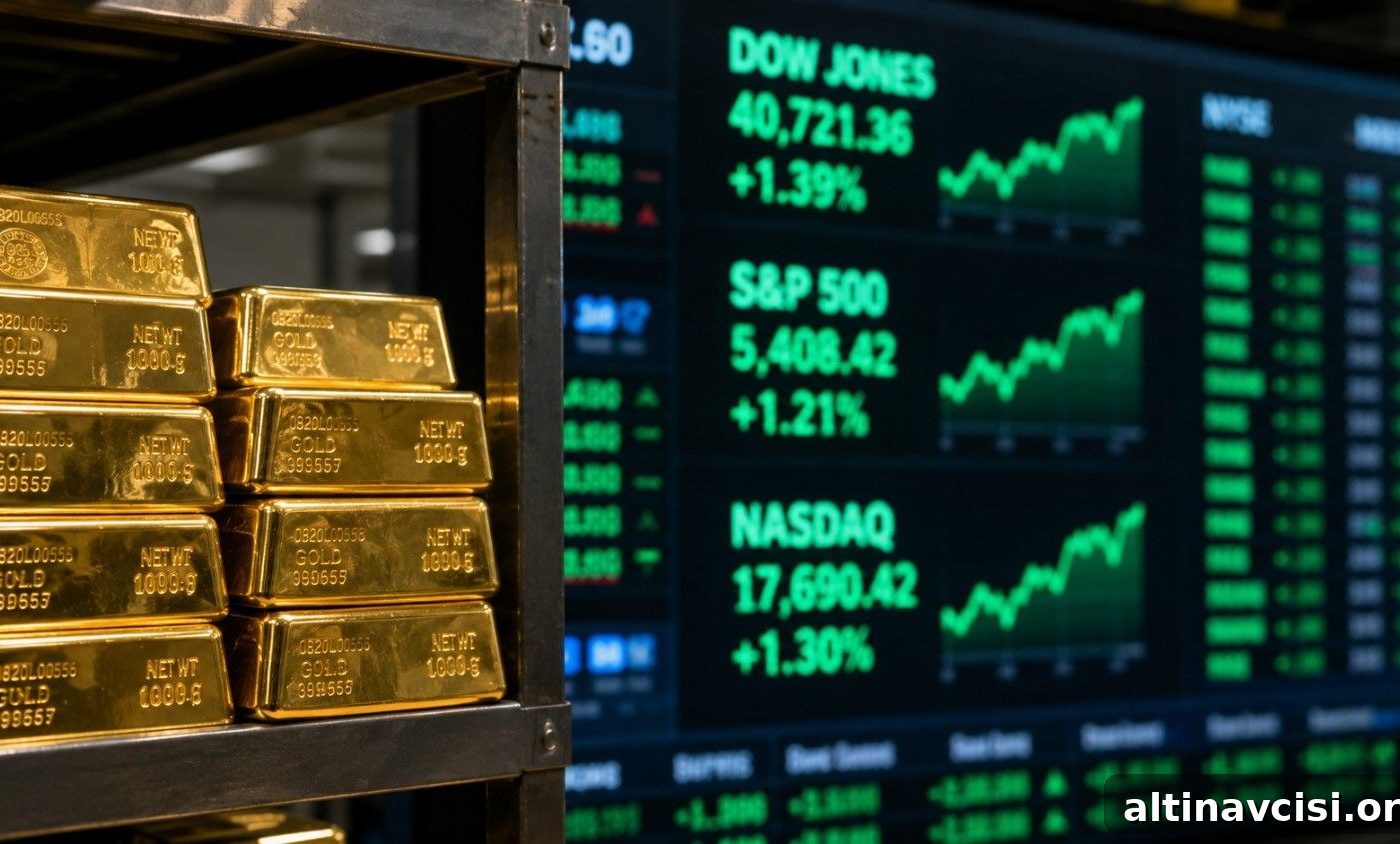
Gold is rising. The market price sits at $4,347 today even as the S&P 500 closes at record levels, the Nasdaq posts its best session since March, and oil retreats to a two-month low. The war premium that pushed inflation and precious metals higher over recent months is unwinding rapidly.
Under conventional market logic, gold should be falling. In a typical risk-on rally investors rotate out of safe-haven assets and into stocks, selling gold in the process. That pattern has held for much of the last two decades.
Today, however, the relationship looks different.
Why Is Gold Holding Up While Stocks Hit Record Highs?
Gold does not always move strictly opposite to equities. The common shorthand—gold as a “fear trade”—captures part of the story but is incomplete. Gold’s price reflects two separate but overlapping demand drivers.
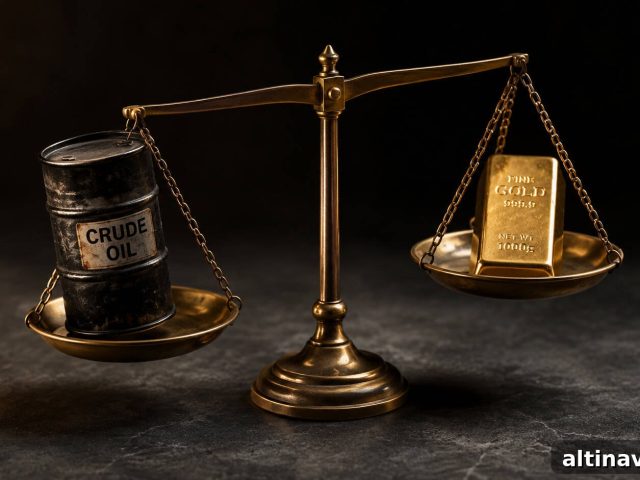
The first driver is the geopolitical or fear bid: safe-haven demand that rises with conflict, instability, and spikes in investor anxiety. That component surged during the US‑Iran hostilities but has begun to fade since the June 14 memorandum of understanding that eased tensions. Oil’s slide from conflict highs above $100 to around $80 per barrel confirms much of that premium has come out of the market.
The second driver is the monetary bid: steady demand tied to fiscal deficits, currency debasement concerns, central bank reserve diversification, and the long-term erosion of purchasing power. This is a structural, policy-driven thesis that has little to do with short-term geopolitics. It depends on government borrowing trends, central bank balance-sheet dynamics, and real interest rates.
While the geopolitical bid has receded, the monetary bid remains intact and continues to support gold prices.
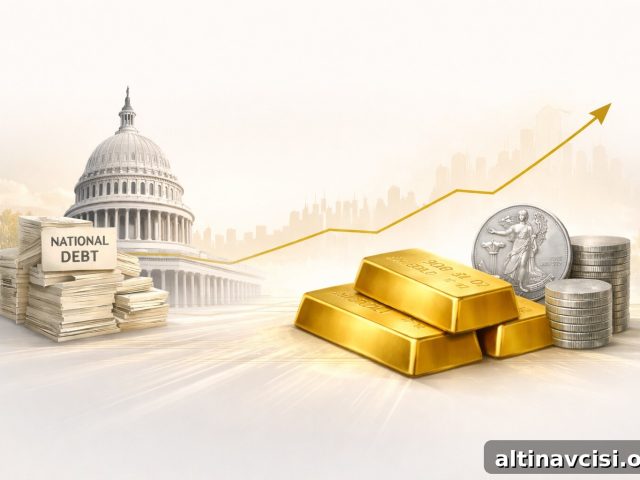
U.S. federal debt is approaching $39 trillion, and annual interest payments exceeded $1 trillion this year—structural fiscal pressures that are not erased by a single peace agreement. At a 3.50–3.75 percent target rate, the Federal Reserve has held policy steady since December 2025. With the Fed scheduled to meet this week, markets are pricing an almost certain hold, but investors will parse the chair’s comments about the future rate path carefully.
Central banks themselves are prominent buyers. According to the World Gold Council’s 2026 central bank survey, 45 percent of central banks plan to increase gold reserves over the next year, and 89 percent expect global central-bank gold reserves to rise. In the first quarter of 2026 central banks added a net 244 tonnes. That institutional accumulation persisted even after the recent peace memorandum.
The Edge Every Investor Needs
Smarter precious-metals investing starts here. The Nuggets newsletter delivers market insights, Fed updates, global trends, and educational resources to help you stay informed.
What Is the Difference Between Gold’s War Premium and Its Monetary Bid?
Think of today’s gold price as having two stacked layers. The top layer was driven by the conflict premium: extra buying tied to safety demand during the US‑Iran hostilities. That layer has been unwinding since the June 14 memorandum of understanding. Gold retreated from the January 28 all-time high near $5,589 to about $4,000 earlier in June, much of that decline reflecting an inflation shock from higher energy prices and the resulting effect on Fed policy expectations.
The deeper layer is the monetary premium: a structural case for gold built on persistent fiscal deficits, diversification by global reserves away from a single currency, and concerns about long-term purchasing power. This second layer exists independently of short-term geopolitical events. It only requires ongoing government deficits and large central-bank balance sheets.
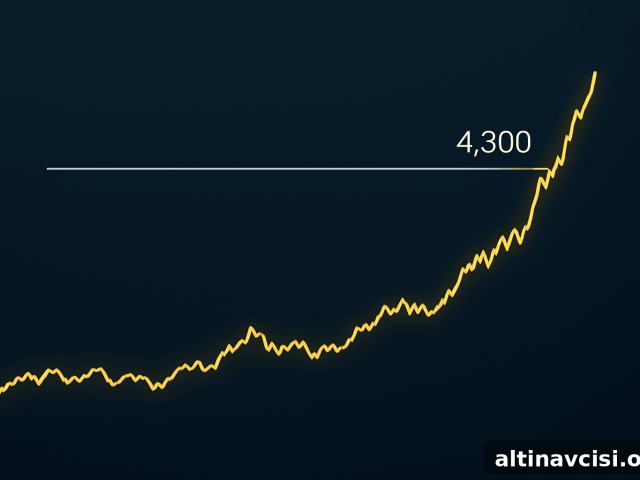
That monetary bid held through the war-driven correction and continues to hold now, even as equities hit record highs and volatility indicators sit relatively low. When gold remains above $4,300 while many traditional “fear” assets are sold and risk assets rally, the market is effectively separating those two bids in real time rather than signaling a looming collapse in gold.
Source: goldsilver.com/price-charts/ | goldsilver.com
What Does the FOMC Meeting Tomorrow Mean for Gold?
The upcoming Federal Open Market Committee decision is widely expected to result in a hold; futures markets show near certainty that the federal funds rate will remain at 3.50–3.75 percent. The key event for markets will be the Fed chair’s press conference and how the committee updates its economic projections.
Kevin Warsh is chairing the Fed for the first time and will present the updated Summary of Economic Projections (the dot plot). Two broad outcomes matter for gold:
- If the chair emphasizes that recent inflation pressures were largely geopolitical and temporary—pointing to easing energy-driven inflation—markets could price in a friendlier rate path and real yields could fall, strengthening the monetary bid for gold.
- If the chair frames inflation as more structural and signals a continued restrictive stance regardless of lower oil prices, rate expectations could stay higher and gold’s recovery might consolidate rather than accelerate.
Regardless of the immediate reaction, a single press conference does not change the structural drivers supporting gold. The long-term case is rooted in fiscal and monetary realities, not one-off statements.
What This Means for Long-Term Holders
Separating short-term noise from the long-term signal makes the past months easier to understand. Gold peaked near $5,589 on a combination of the structural monetary thesis and an elevated geopolitical risk premium. When the conflict pushed energy prices higher and inflation surged, the prospect of rate hikes grew and both bids were compressed together, sending gold down toward $4,000.
With the geopolitical premium fading, gold has held around $4,347—not collapsing to $3,800 or $3,500. It is remaining firm while equities reach record highs and volatility is subdued. That illustrates the monetary bid doing what the long-term case predicts: persisting independently of headline events.
For investors holding physical gold because of fiscal deficits, reserve diversification, and long-run purchasing-power concerns, those reasons remain unchanged by the recent peace agreement. The war premium left; the structural thesis did not.
Stay On Top of Gold & Silver Prices
Get important market alerts sent straight to your inbox.
SOURCES
1. LBMA — Precious Metal Prices
2. CME Group — FedWatch Tool
3. Bureau of Labor Statistics — Consumer Price Index, May 2026
4. World Gold Council — Central Bank Gold Reserves Survey 2026
5. World Gold Council — Gold Demand Trends Q1 2026
6. Federal Reserve — FOMC Meeting Schedule & Rate Decisions
7. US Treasury — Debt to the Penny
8. Committee for a Responsible Federal Budget — Trillion-Dollar Interest Payments Are the New Norm
Disclaimer: This article is for informational purposes only and does not constitute financial or investment advice. Always consult a qualified financial adviser before making investment decisions.
You May Also Like:
- Why Is Silver Up Today? The Iran Deal Changed the Fed Math
- Gold Up 3%, Silver Up 4.7%: Five Forces Driving Metals Higher Today
- Iran Peace Deal Sends Oil Down 5%, Gold Up 3%
- Gold & Silver Surge on Iran Peace Deal — Then Pull Back
- Silver Fell 22% in 30 Days. Gold-Silver Ratio Hits 63.
- Every Bearish Catalyst Landed at Once. Gold and Silver Went Up Anyway.
- Gold at Seven-Month Lows: Why Geopolitical Fear Is Not Enough
- Gold Slides to $4,130 as Iran War Turns Inflation Against It
- May CPI Printed 4.2%. Core Inflation Beat. So Why Did the Gold Price Drop?
- Gold Is Down 9%. The CPI Print That Could Either Extend the Drop — or End It.
Popular Topics
Picked from the archive
-
01
 Topics
What the Fed’s 3-Day Silence Means for Gold Prices
-
02
Topics
Gold Jumps to $4,746 as Oil Crashes: Why Investors Are Bullish
-
03
Topics
How Government Debt Drives Gold and Silver Prices
-
04
Topics
Can Gold Hold at $4,300? Price Outlook for Investors
-
05
Topics
Why Gold and Oil Move Opposite and What It Means for Investors
-
06
Topics
Gold and Silver Prices: Short-Term Volatility, Long-Term Trend
-
07
Topics
Wholesale Prices Jump Most in 3 Years as Tariffs Hurt US Economy
-
08
Topics
Why Silver Jumped 6% Before Trump Xi Summit