Why Central Banks Are Shifting from the Dollar to Gold
Central Banks Quietly Accumulating Gold as They Diversify Reserves
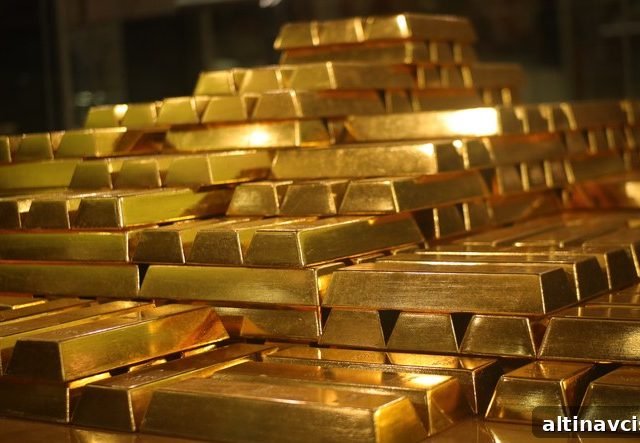
In recent years, central banks around the world have been quietly increasing their gold holdings, reportedly buying more than 1,000 metric tons annually. These purchases are part of a deliberate effort to diversify reserves away from the U.S. dollar amid intensifying geopolitical tensions and growing economic uncertainty. Much of this activity happens under the radar: trade records show unusual gold movements through major refining centers that ultimately reach undisclosed buyers, suggesting a sizable portion of global bullion flows is not publicly disclosed in real time.
Why Gold Is Regaining Favor
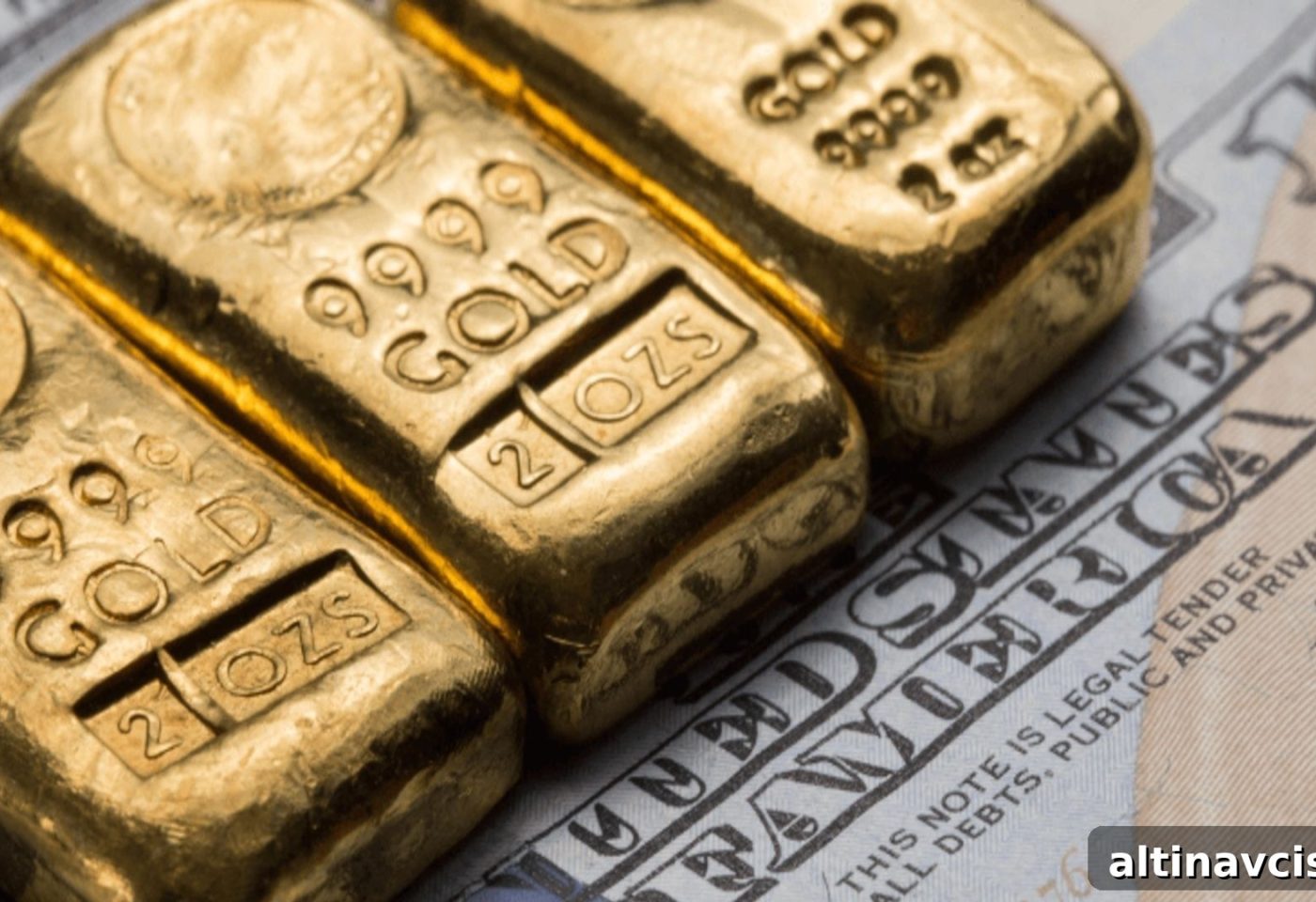
Gold is attractive to reserve managers for several practical reasons. Unlike fiat currencies, it cannot be printed or debased by a single government, and it is not directly controllable through conventional financial sanctions. This perceived neutrality makes gold a valuable hedge against political risk, including concerns over currency weaponization and potential sanctions that could limit access to foreign exchange reserves. For many central banks, holding gold serves as an insurance policy against scenarios where reliance on any single reserve currency becomes a strategic liability.
Scale and Scope of the Accumulation
Reported annual purchases exceeding 1,000 metric tons represent a substantial shift in reserve strategy. Many central banks historically held far less gold than global averages, so there remains significant capacity for further accumulation. Although exact figures and buyer identities are often withheld for policy or security reasons, publicly available trade flows and refining hub data point to a persistent, large-scale trend. Observers refer to this gradual but sustained change in reserve management as a “silent revolution” that could reshape demand dynamics in the gold market over time.
Market Implications and Price Expectations
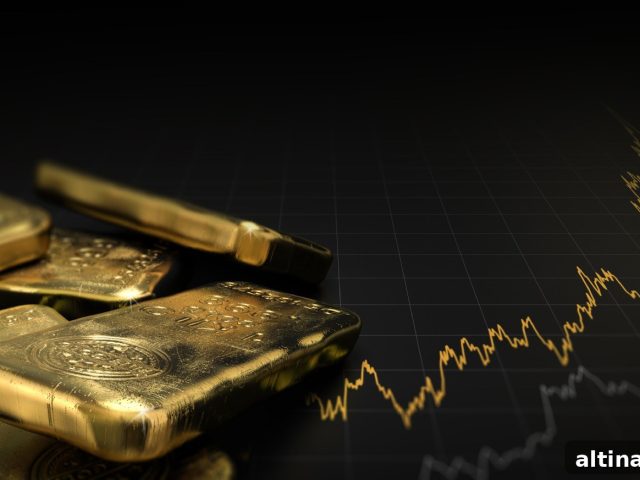
This quiet but steady accumulation has implications for the broader precious metals market. Increased central bank demand tightens available supply and can lift price sentiment. Some market participants have suggested that continuing purchases by official institutions could push benchmark prices higher, with certain forecasts placing year-end gold prices near $3,700 per ounce if the trend persists. While specific price outcomes depend on many variables—economic growth, interest rates, inflation expectations, and speculative flows—the strategic shift in reserve composition is an important structural factor that market participants are weighing.
Risks and Considerations
Despite the clear rationale for diversifying into gold, there are trade-offs and risks. Gold is not income-producing and can be volatile in the short term. Central banks must balance the desire for a non-sovereign reserve asset against the need for liquidity and returns from other reserve holdings. Moreover, public disclosure practices vary: some institutions may report purchases only periodically, which complicates real-time market analysis and can lead to surprise moves when large allocations are revealed.
What This Means for Investors and Policymakers
For investors, increasing official sector demand is a reminder to consider how shifts in reserve policy affect long-term supply and demand fundamentals for gold. For policymakers, the trend highlights the strategic role of reserve composition in national security and economic resilience. As nations reassess exposure to any single currency, gold emerges as a versatile tool—both a financial asset and a geopolitical buffer.
In sum, the ongoing accumulation of gold by central banks—much of it conducted quietly and reported only after the fact—reflects broader concerns about currency reliability and geopolitical risk. Whether this “silent revolution” leads to sustained higher prices will depend on how persistently central banks continue to favor gold, alongside other macroeconomic and market forces.
Popular Topics
Picked from the archive
-
01
 Topics
S&P 500’s 20-Year Winning Streak Eases Recession Fears
-
02
Topics
Gold Prices Rise on Trade Tensions and Currency Moves
-
03
Topics
US Gives Global Partners Five-Week Deadline for Trade Proposals
-
04
Topics
Record Gold Rally: Trading Data Shows Banks Flipping Positions
-
05
Topics
CBO Warns: Trump Tax Plan Could Add $2.4T to US Deficit
-
06
Topics
Gold Price Holds Near $3,180 as Markets Brace for U.S. Data
-
07
Topics
Gold Falls as Trade Tensions Ease Despite Monthly Gains
-
08
Topics
Gold Falls to 3,300 as Strong Dollar, Inflation Hits Markets