Key Takeaways
- Six core factors drive gold prices: inflation and currency debasement, real interest rates, the U.S. dollar, central bank demand, geopolitical risk, and physical supply and demand. Gold’s price reflects the combined influence of all six.
- Real interest rates are the most reliable short-term signal for gold: when real rates fall into negative territory, gold’s opportunity cost decreases and prices tend to rise; when real rates climb, gold typically faces downward pressure.
- Central banks have purchased well over 800 tonnes per year since 2022 — almost double the pace of the prior decade — creating a persistent demand floor that has supported prices even when Western investors were net sellers.
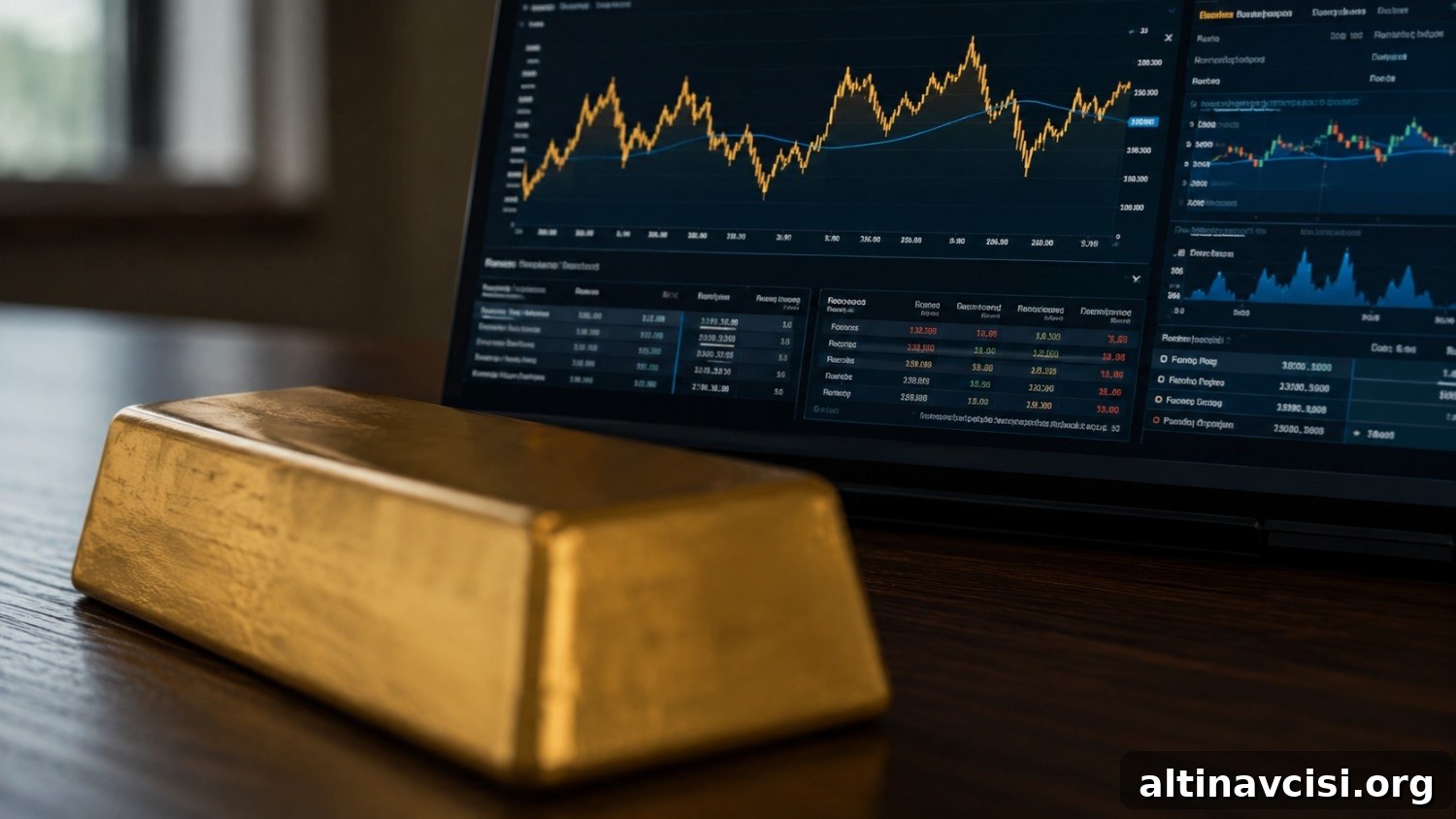
Six factors explain every meaningful move in the gold market: inflation and currency debasement, real interest rates, the U.S. dollar, central bank demand, geopolitical risk, and physical supply and demand. Gold reached an all-time high of $5,589 per ounce on January 28, 2026, then retreated to roughly $4,550. An 18% correction looks large on its own, but in context — after a year in which gold more than doubled — it is part of normal market dynamics. Understanding which forces drove the rally and which prompted the pullback provides far more insight than tracking daily prices. Below is a clear, practical explanation of each factor.
What Are the Key Gold Price Factors?
Gold differs from equities and bonds because it produces no cash flow, dividends, or earnings. Its value is set by perceptions of monetary risk: how investors, institutions, and governments view the durability of fiat currencies, central bank credibility, and financial-system stability. When confidence in those foundations weakens, demand for gold rises. When confidence returns, gold can soften. This asymmetry underpins everything that follows.
Your Gold Buying Guide Most investors overpay when they buy gold and again when they sell. This guide explains what to own and why.
Does Inflation Drive Gold Prices?
Yes, but the relationship is not always immediate. Inflation reduces the purchasing power of fiat money, while gold’s supply cannot be expanded by policy. That asymmetry is one of the oldest and most durable drivers of gold’s value.
This influence works on two levels. Cyclically, rising consumer prices push investors toward stores of value. Structurally, persistent government deficits and expanding central bank balance sheets erode fiat purchasing power over time, benefiting a fixed-supply asset like gold.
The distinction matters in practice. U.S. CPI reached 3.8% in April 2026, partly due to energy shocks. Gold pulled back that month because higher inflation increased the likelihood of further Fed rate hikes, which strengthened the dollar and pressured gold in the short term. Short- and long-term forces can point in different directions, but over decades gold has preserved purchasing power far better than a paper dollar.
Why Do Real Interest Rates Move Gold More Than Anything Else?
Real interest rates (nominal rates minus inflation) are the most reliable short-term gauge for gold. Because gold yields nothing, its opportunity cost rises when real rates are positive and attractive, and falls when real rates are negative. That dynamic explains both rapid rallies and sharp pullbacks.
Recent price action followed this pattern: as markets shifted to expect higher-for-longer rates, gold came under pressure. Conversely, the 2020–2022 gold rally occurred in an environment of deeply negative real yields.
How Does the U.S. Dollar Affect the Gold Price?
Because gold is priced in U.S. dollars, the two usually move in opposite directions. A stronger dollar makes gold more expensive for holders of other currencies, reducing demand. A weaker dollar tends to lift gold. This inverse relationship is robust over the medium term.
However, the link can break during stress periods. In financial crises, both the dollar and gold can rise as investors seek safe havens. Over the long run, gold reacts more to the dollar’s purchasing power than to short-term exchange-rate swings.
Why Are Central Banks Buying So Much Gold?
Central banks buy gold as a long-term reserve strategy, not as a short-term trade. Their purchases are relatively price-insensitive, which creates a structural support under the market. That steady institutional demand is a meaningful floor for prices.
Since 2022, central-bank buying accelerated sharply. Annual purchases averaged well over 800 tonnes, nearly double the prior decade’s pace. Even when Western ETFs were net sellers, sovereign and institutional buyers absorbed supply, helping sustain prices.
Does Geopolitical Risk Push Gold Higher?
Short-term yes: geopolitical instability increases demand for assets with no counterparty risk. Gold is one of the few liquid assets that meet that criterion at scale, so prices typically rise amid heightened geopolitical uncertainty.
But headline-driven spikes are often temporary. The more enduring effect comes from structural shifts — such as reserve diversification, onshoring of holdings, and skepticism about multilateral financial arrangements — which support higher price levels over time.
How Does Mine Supply Affect the Gold Price?
Mine production responds slowly. Geological limits, long lead times for projects, and multiyear capital cycles mean supply cannot surge quickly in response to higher prices. That rigidity is why demand fluctuations tend to dominate price moves.
Global mine output rose only modestly even as demand climbed. At the same time, physical investment — bars, coins and certified storage — reached multi-year highs, while jewellery demand softened. The net result: total demand has been strong and largely driven by investment and central-bank buying rather than rapid supply growth.
Stay On Top of Gold & Silver Prices
Get important market alerts sent straight to your inbox.
People Also Ask
Why does gold go up when inflation rises?
Gold tends to gain during inflation because its supply is fixed while fiat supply can expand. When central banks increase money or governments run large deficits, paper currency usually loses purchasing power over time. Gold, which cannot be printed, typically preserves value better through extended inflationary periods.
What is the relationship between gold prices and the U.S. dollar?
Gold is priced in U.S. dollars, so a stronger dollar generally makes gold less attractive to holders of other currencies and tends to push prices down; a weaker dollar tends to support higher gold prices. The correlation is strong over the medium term but can break in crisis periods when both assets act as safe havens.
How do Federal Reserve interest rate decisions affect gold?
Fed decisions matter mainly through their impact on real interest rates. When the Fed raises nominal rates faster than inflation, real yields rise and the opportunity cost of holding non-yielding gold increases. Rate cuts or pauses lower real yields and are typically beneficial for gold.
Why are central banks buying so much gold?
Central banks are diversifying official reserves away from exclusively dollar-denominated assets, partly due to concerns about sanctions and the risk of foreign-held reserves being constrained. Their purchases since 2022 have been substantial and reflect a long-term change in reserve management rather than a short-term trade.
Does geopolitical conflict always push gold prices higher?
Conflict often increases demand for assets without counterparty risk, which can push gold higher in the short run. Those price spikes can fade as uncertainty eases. More durable support comes from structural shifts like reserve diversification, de-dollarisation, and declining institutional trust in global systems.
Now You Know What Moves Gold — Here’s What to Do With That
Most readers begin by reacting to a headline: a correction, a record, or a central-bank announcement. That curiosity is useful. The six factors outlined here not only explain past moves but provide a framework for evaluating future price action without relying on others to interpret every shift.
The structural backdrop remains relevant: inflation above long-run targets, continued central-bank accumulation, and gradual erosion of the dollar’s purchasing power. These forces change slowly, which is what gives them staying power as drivers of gold’s value.
If you’re considering physical gold, choose a transparent provider and take steps that match your objectives and risk tolerance.
SOURCES
1. Yahoo Finance — Gold forecast and tracker: Where will prices land in 2026?
2. Trading Economics — Gold Price Historical Data
3. Bureau of Labor Statistics — Consumer Price Index Summary, April 2026
4. GoldSilver.com — Gold vs Inflation: What 100 Years of Data Shows
5. World Gold Council — Gold Demand Trends: Full Year 2025
6. World Gold Council — Central Banks: Gold Demand Trends Full Year 2025
7. GoldSilver.com — Why Central Banks Are Buying Gold Again
8. GoldSilver.com — Dollar vs Gold Relationship: Why They Often Move in Opposite Directions
Disclaimer: This article is for informational and educational purposes only and does not constitute investment advice. Consult a qualified financial adviser before making investment decisions.
You may also like:
- World Bank: Precious Metals to Surge 42% This Year
- Silver Price Outlook May 2026: Stop Chasing the Number
- Dollar Dominance Is Fading. Gold and Silver Are Paying Attention.
- GoldSilver: Home Storage and Vault in One Account
- The Bond King’s Golden Signal: Jeffrey Gundlach on Gold
- Gold Price Outlook May 2026: Why Institutional Forecasters Still See $5,000
- India’s ‘Patriotic’ Gold Buying Freeze: What It Means for Prices
- How to Time Your Gold & Silver Buys Using Technical Analysis