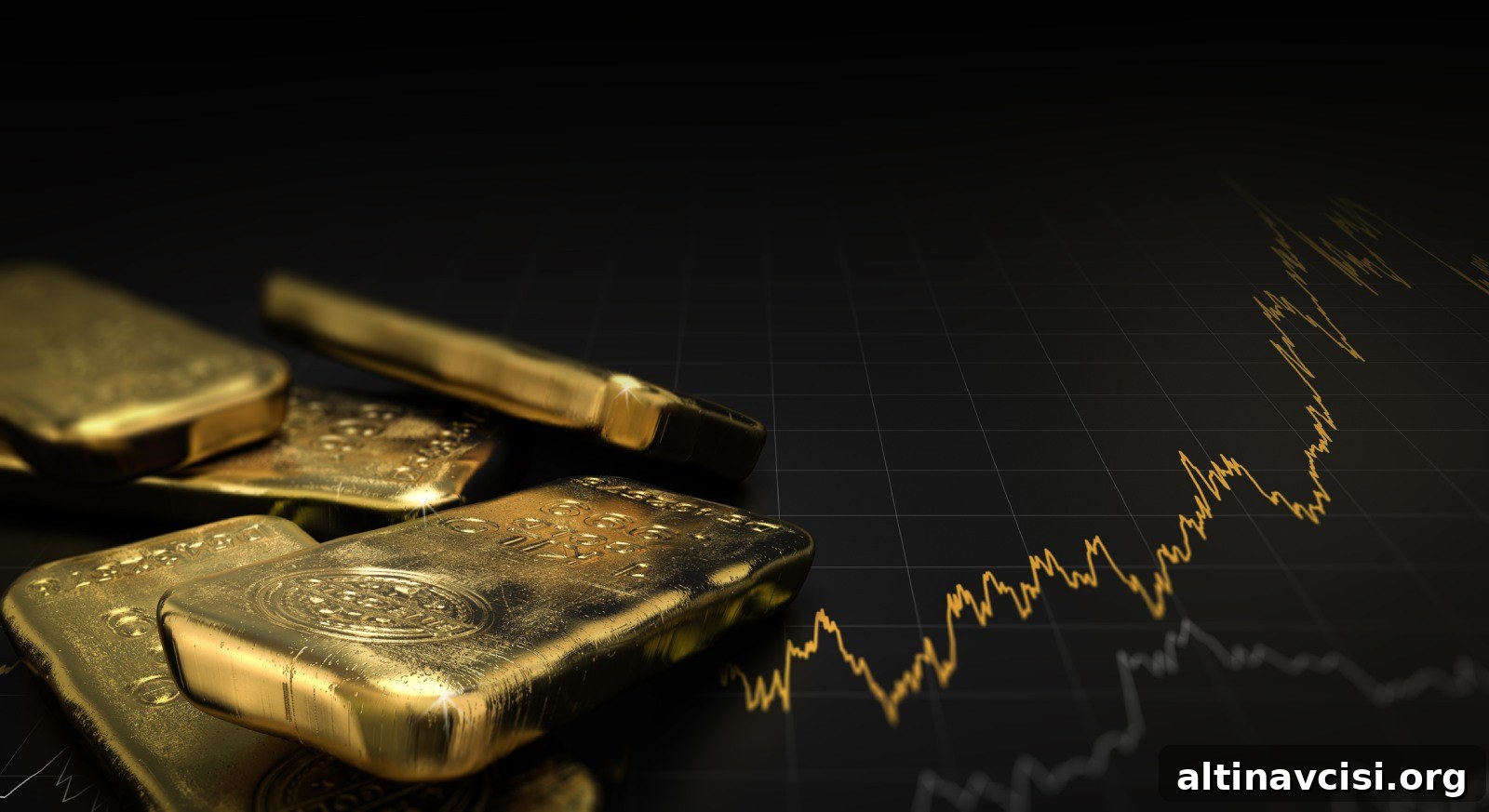
Gold surged to fresh highs as markets reacted to President Trump’s threats of significant tariffs on the European Union and measures targeting Apple, prompting investors to seek refuge in the safe-haven metal.
Gold futures closed at $3,363.60 per ounce, a gain of 2.2%. Market observers highlighted that global demand for gold has reached levels not seen in roughly half a century, driven by a combination of geopolitical uncertainty and shifting investment flows.
Mining companies are reporting exceptionally strong profit margins as elevated metal prices boost revenue. At the same time, central banks around the world have continued to increase their gold holdings, a trend fueled in part by concerns about potential U.S. sanctions and broader economic instability. These official sector purchases have contributed to tighter supply dynamics in the market.
Analysts point to several factors underpinning the rally. Persistent geopolitical risks, including trade tensions and the prospect of new tariffs, have intensified safe-haven demand. Inflation pressures and the resulting expectations for monetary policy have also supported gold’s appeal as a hedge against currency erosion. Additionally, investment flows into exchange-traded funds and other physical-gold channels remain strong, reinforcing upward price momentum.
Despite the current strength, some forecasters urge caution for the months ahead. Citi’s outlook suggests that while demand is likely to remain robust into the third quarter, the outlook for gold later in the year is uncertain. Potential drivers of a change in trend include shifts in interest rate expectations, a stronger U.S. dollar, or easing geopolitical tensions—all of which could reduce the urgency to hold gold. Analysts recommend that investors remain attentive to macroeconomic indicators and central bank communications when assessing gold’s path forward.
On the supply side, mining output and recycling levels are relevant considerations. Higher prices have improved the financial positions of many producers, enabling increased investment in operations and exploration. However, bringing new supply online can take time, and disruption risks—such as labor disputes, permitting delays, or energy-related constraints—could limit near-term production growth.
Demand from jewellery, technology and industrial applications continues to be an important part of the market picture, though investment and official sector buying are currently the dominant forces. Jewellery demand tends to be more seasonally and culturally driven, while industrial usage is sensitive to broader economic activity and technological trends.
For investors, the gold rally underscores the importance of diversification and risk management. Allocations to precious metals can provide a counterbalance to equities and fixed-income exposure during periods of heightened uncertainty. Still, timing matters: those considering entry points should weigh the potential for further gains against the possibility of volatility if macro conditions shift.
In summary, the recent spike in gold prices reflects a mix of geopolitical tensions, strong investment flows, and central bank buying. While near-term fundamentals appear supportive, market participants should prepare for changing influences over the remainder of the year and align their strategies with evolving economic and policy developments.