Chinese President Xi Jinping began a diplomatic tour of Southeast Asia on Monday, using the trip to portray China as a stabilizing global power in contrast to the United States under President Donald Trump.
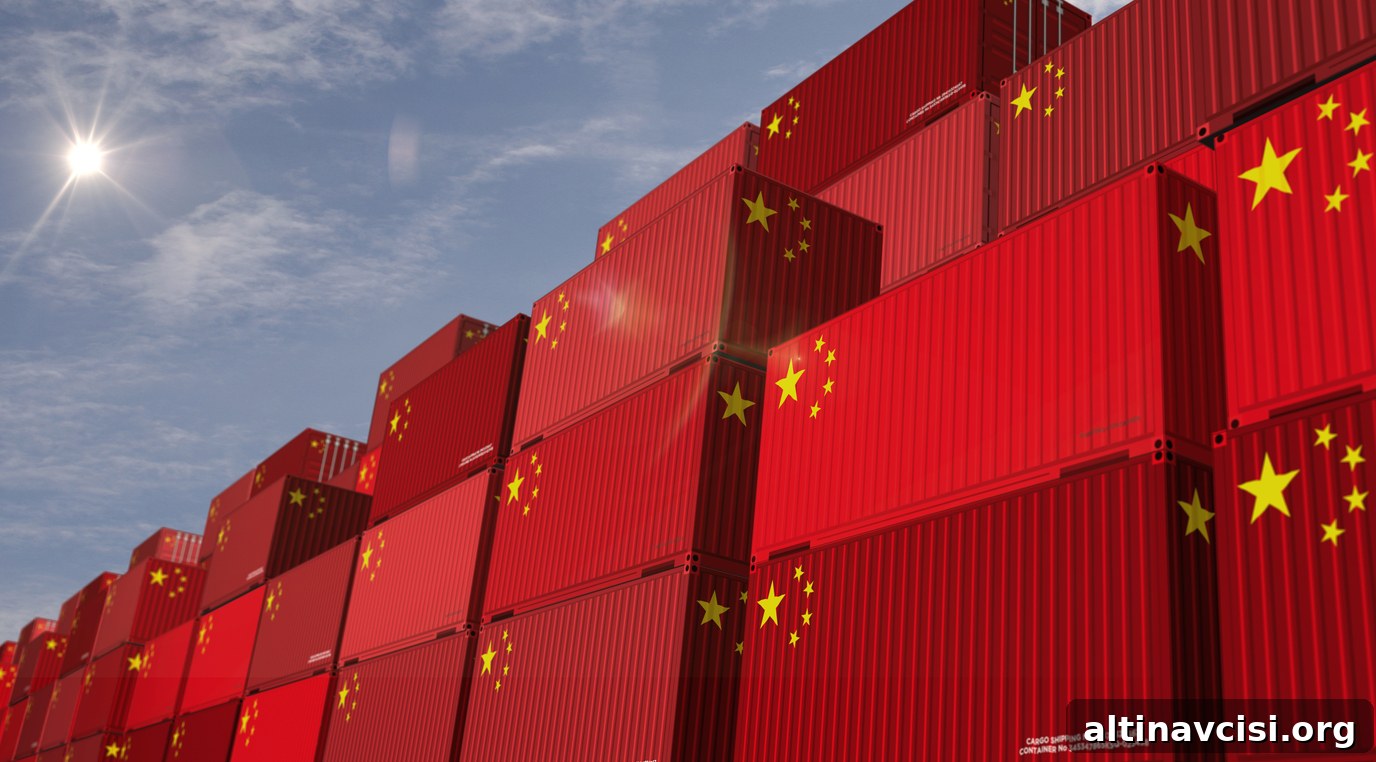
In an editorial carried by both Vietnamese and Chinese state media, Xi argued that “there are no winners in a trade war, or a tariff war,” and urged both sides to defend multilateral trade rules and preserve stable global supply chains. He framed cooperation and predictable trade relations as essential to regional and global economic stability.
The visit takes place against the backdrop of persistent tariffs: the Trump administration has kept substantial duties on Chinese goods—amounting to an effective rate of about 145% on certain items—even while some other levies were temporarily suspended. Observers say Xi is using the tour to highlight China’s role as a responsible power that seeks predictability and dialogue rather than escalation.
Nguyen Khac Giang, a visiting fellow at Singapore’s ISEAS–Yusof Ishak Institute, noted that the visit gives China an opportunity to contrast its diplomatic posture with that of Washington, presenting itself as a partner committed to stability and cooperation in the region.
On arrival in Vietnam, Xi was given an honorary tarmac welcome by President Luong Cuong, which included cultural performances by drum art students and a ceremonial display of flags bearing Chinese and Communist Party symbols. The reception underscored the political significance Vietnam attaches to the visit and highlighted the ceremonial aspects of high-level diplomacy in the region.
Throughout the trip, Xi is expected to emphasize economic ties, regional security, and cooperation on shared challenges such as supply-chain resilience and trade rule enforcement. Analysts say the messaging aims to reassure Southeast Asian countries that China seeks constructive engagement and to contrast that approach with what Beijing describes as the unpredictability of recent U.S. trade policy.
The visit also offers a platform for bilateral talks, potential trade and investment announcements, and efforts to deepen political and cultural ties. For countries in Southeast Asia, balancing relations between major powers while protecting their own economic interests remains a central diplomatic challenge—one that Xi’s tour appears designed to address by stressing stability, mutual benefit, and a rules-based trade environment.