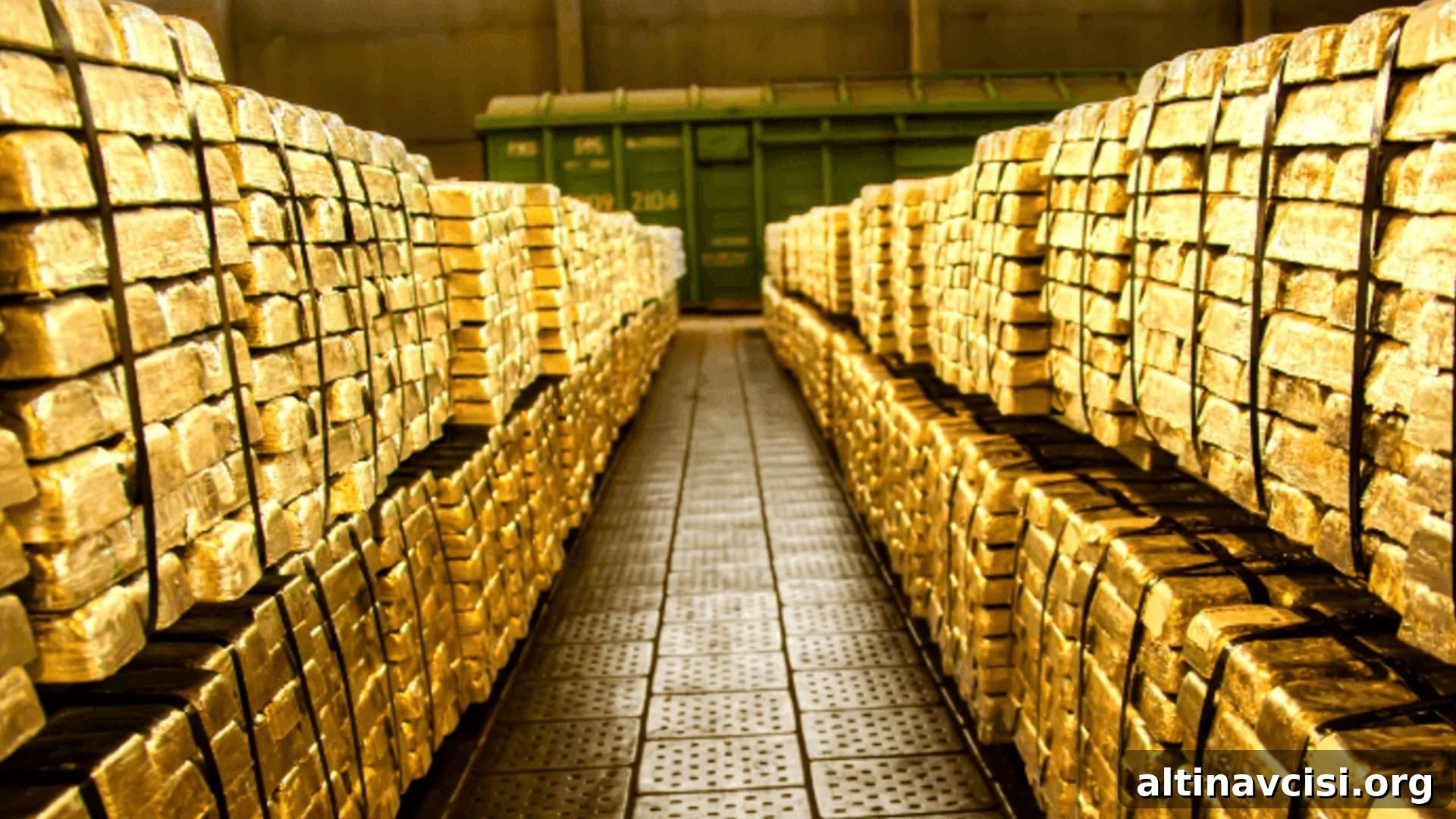
Kenya’s Central Bank is actively considering adding gold to its foreign reserves to reduce reliance on major currencies such as the US dollar.
Governor Kamau Thugge confirmed that a feasibility study is in progress but did not specify a timeline for any potential purchases or implementation.
At present, Kenya’s official gold holdings are minimal: roughly 600 ounces, valued at about $1.3 million. Most of the country’s gold reserves were sold in 1998.
Separately, Kenya is pursuing a new program with the International Monetary Fund after its previous $3.6 billion arrangement concluded early in March.
Expanding reserves into gold would aim to diversify the central bank’s portfolio and provide a non‑currency asset that can serve as a hedge against exchange rate volatility and geopolitical risks. Central banks that hold gold typically consider factors such as storage and security costs, the impact on monetary policy, international liquidity needs, and the appropriate allocation relative to other reserve assets.
A feasibility study can examine logistical and legal arrangements for acquiring, storing, and valuing gold, as well as assessing market conditions and timing. Any decision would likely weigh the benefits of diversification against the opportunity costs, given gold’s historical price fluctuations and the need to maintain sufficient liquid foreign currency for external obligations.
Kenya’s move comes as many central banks globally reassess reserve compositions in response to shifting global economic dynamics. If Kenya proceeds, the central bank would need to outline governance and reporting mechanisms to ensure transparency and alignment with broader reserve management objectives.
For now, the central bank’s confirmation of a study signals interest but not commitment. Observers and market participants will watch for further details on the study’s findings and any subsequent policy announcements.