If you’re planning to sell gold or silver bullion, you want the best price possible. Whether you’re realizing gains, funding a major life event, selling inherited metals, or cleaning out jewelry, this guide will help make the selling process smoother and more profitable.
Before you sell, consider three core factors: price, convenience, and safety. This article covers how to get a fair buyback price, how different forms of metal sell, where to sell — and where to avoid — and the easiest, safest options.
What Is a Fair Price When Selling Gold and Silver?
The price you get depends on several important variables. Below are the key factors that determine what dealers will pay for your physical gold or silver.
What Kind of Bullion Are You Selling?
Different products command different resale values. Whether the item is gold or silver, a coin or a bar, and whether it was produced by a government mint or a private refinery all influence resale value. Products that carried larger premiums at purchase and those produced by reputable mints typically resell more readily. Buying widely recognized products also helps ensure robust demand when you sell.
1. Selling Gold & Silver Coins
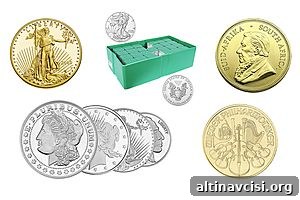
Government-minted coins generally hold value well. Sovereign coins carry guaranteed purity and metal content, so they often fetch higher resale values than rounds or privately minted bars. The retail market and collector demand for coins is broad, so buyers are usually available.
Browse our goldandsilvercoins
2. Selling Gold & Silver Bars
Bullion bars typically have strong resale value, especially those kept in professional vault storage. Bars from reputable mints and refineries are easier to authenticate and often include seals or serial numbers, reducing risk for buyers and sellers.
Browse our gold and silver bars
3. Selling Gold & Silver Jewelry
Jewelry resale depends on whether the piece is bullion jewelry or costume jewelry. Bullion jewelry is primarily composed of gold or silver and retains metal-based resale value. Costume jewelry may be valuable for design or brand reasons, but its resale value is typically lower and more subjective because precious metal content may be limited and original retail markups can be high.
Browse our partner, Auvere’s, selection of investment grade gold and silver jewelry
4. Selling Scrap Metal
Scrap metal usually brings lower resale prices because it must be melted down and refined before it can be turned into investment-grade products or industrial feedstock. Many bullion dealers do not buy scrap metal; refineries and pawn shops are more likely buyers.
5. Selling from Instavault
If your metal is held in an Instavault program, you can sell instantly once payment settles. Instavault buyers and sellers benefit from very low spreads, and you can convert vaulted metal to specific products later or sell directly from the vault for competitive buyback prices.
How Much Are You Selling?
Quantity matters. Dealers may offer better pricing for larger lots or when a specific product is in short supply. Market conditions influence buyback offers: many dealers commonly offer around 95% of spot, but this can vary. High demand and low supply can push offers higher; conversely, abundant supply and weak demand can lower offers. In some cases, offers may reach spot or above.
Buyback offers for jewelry are usually lower than for raw bullion because of design and fabrication costs. With costume pieces, the offer typically reflects only the actual precious metal content.
Where to Sell Your Gold and Silver
The most common avenues are online dealers and local coin shops. Each has advantages and trade-offs related to price, convenience, and security.
Selling Gold & Silver Bullion Online
Online dealers often provide better pricing because they have lower overhead than brick-and-mortar shops. Selling online can also be safer since the transaction and transport can be insured and tracked.
Selling your gold or silver online to GoldSilver.com is straightforward:
- Login or Create an Account.
- Click “Sellbacks,” then “Create a New Sellback.”
- Enter the product descriptions and quantities you are selling.
- Confirm the location of your metals and your account address.
- Indicate your method of payment and enter your credit card to submit the sellback contract for approval.
- After staff approval, you will receive an email with packing instructions, required documentation, and packing slips for signature.
Sell Your Gold and Silver near You
Local coin shops allow you to receive cash quickly and inspect the buyer in person. However, they often pay less due to higher overhead and may be unable to handle large buyback orders. Also consider security: carrying significant quantities of precious metals to a shop can increase personal risk, so prioritize safe transport and privacy.
Where NOT to Sell Your Gold and Silver
Avoid selling to outlets that typically offer the lowest returns or pose higher risk.
1. Local Pawn Shop
Pawn shops often pay far below market value and may not recognize the true worth of certain coins or bars. If you must visit a pawn shop, know the current spot price, compare offers from reputable dealers, clean your metals, and bring documentation to help authenticate items and improve offers.
2. Auction Marketplaces
Online auction marketplaces can involve greater uncertainty and risk of fraud, and buyers there often offer less than professional bullion dealers.
The Easy Route
The simplest, safest route is to buy and sell online through a reputable dealer that offers secure vault storage and an integrated sell-back program. Vault storage reduces theft risk and provides insurance that is costly for private storage. When you’re ready to sell, you can log in 24/7 and lock in a price. Proceeds from a sale are typically issued by check or bank wire within a few business days after your shipment arrives and is verified.
Using secure vault storage together with an established sell-back process helps ensure your transactions are safe, convenient, and fair.