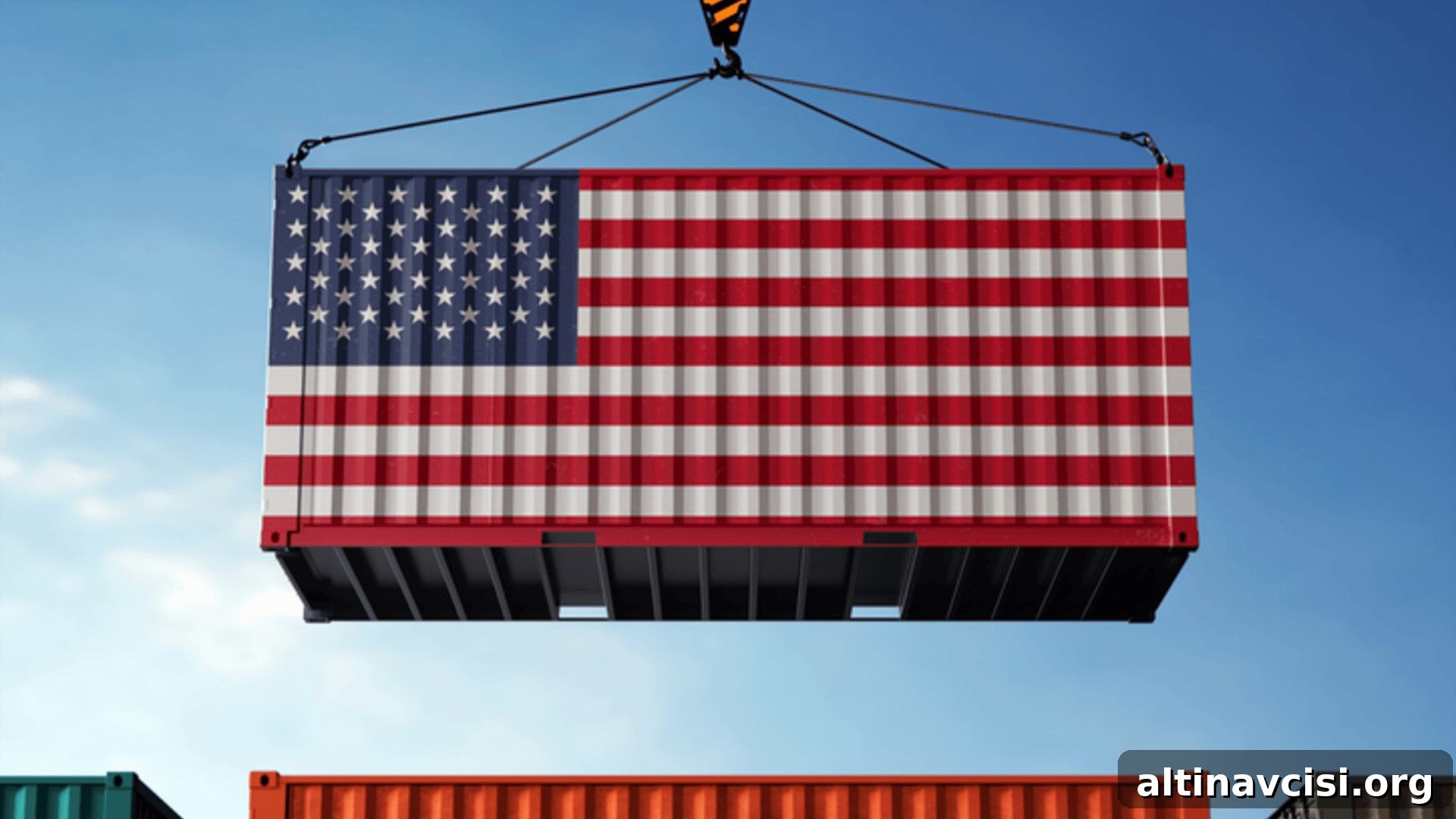
JPMorgan CEO Jamie Dimon used his annual shareholder letter to warn against isolationist trade policies, urging a balanced approach to protecting U.S. interests without cutting the country off from global partners. While he did not mention any politician by name, his message was clear: tariffs that prioritize short-term political gains risk isolating the United States and weakening its long-term competitiveness. As he put it, “America First is fine, as long as it doesn’t end up being America alone.”
Dimon argued that preserving strong international relationships and open trade channels is essential for addressing shared global challenges. He highlighted the importance of collaboration on issues ranging from climate change to international security, and stressed that technological competition—especially with China—requires coordinated policy and investment rather than unilateral disruption. In his view, innovation and economic resilience depend on sustaining partnerships that allow the U.S. to lead while remaining integrated with global markets.
Alongside geopolitical concerns, Dimon flagged several economic vulnerabilities. He noted that despite recent market volatility, many equity and debt valuations remain historically elevated, which could leave markets exposed to shocks. JPMorgan has adjusted its outlook in response to the evolving policy landscape: after a new round of tariffs and retaliatory measures from China, the bank raised its probability of a U.S. recession to 60%. That shift has left Dimon “very cautious” about the near-term economic trajectory.
Dimon’s letter called for pragmatic policymaking that balances domestic priorities with the benefits of international engagement. He urged leaders to avoid reactive trade measures that could spur tit-for-tat responses and disrupt global supply chains, increasing costs for consumers and businesses. Instead, he recommended targeted strategies that strengthen domestic competitiveness—such as investing in infrastructure, education, and technology—while maintaining the alliances and trade relationships that support long-term growth.
In sum, the letter framed the current moment as one of risk and opportunity. Dimon warned that retreating from the global economy could undercut U.S. influence and economic strength, while constructive engagement and sensible domestic reforms could bolster resilience. His message was a call for caution: pursue “America First” policies that enhance national well-being, but avoid policies that would leave the country isolated on the world stage.