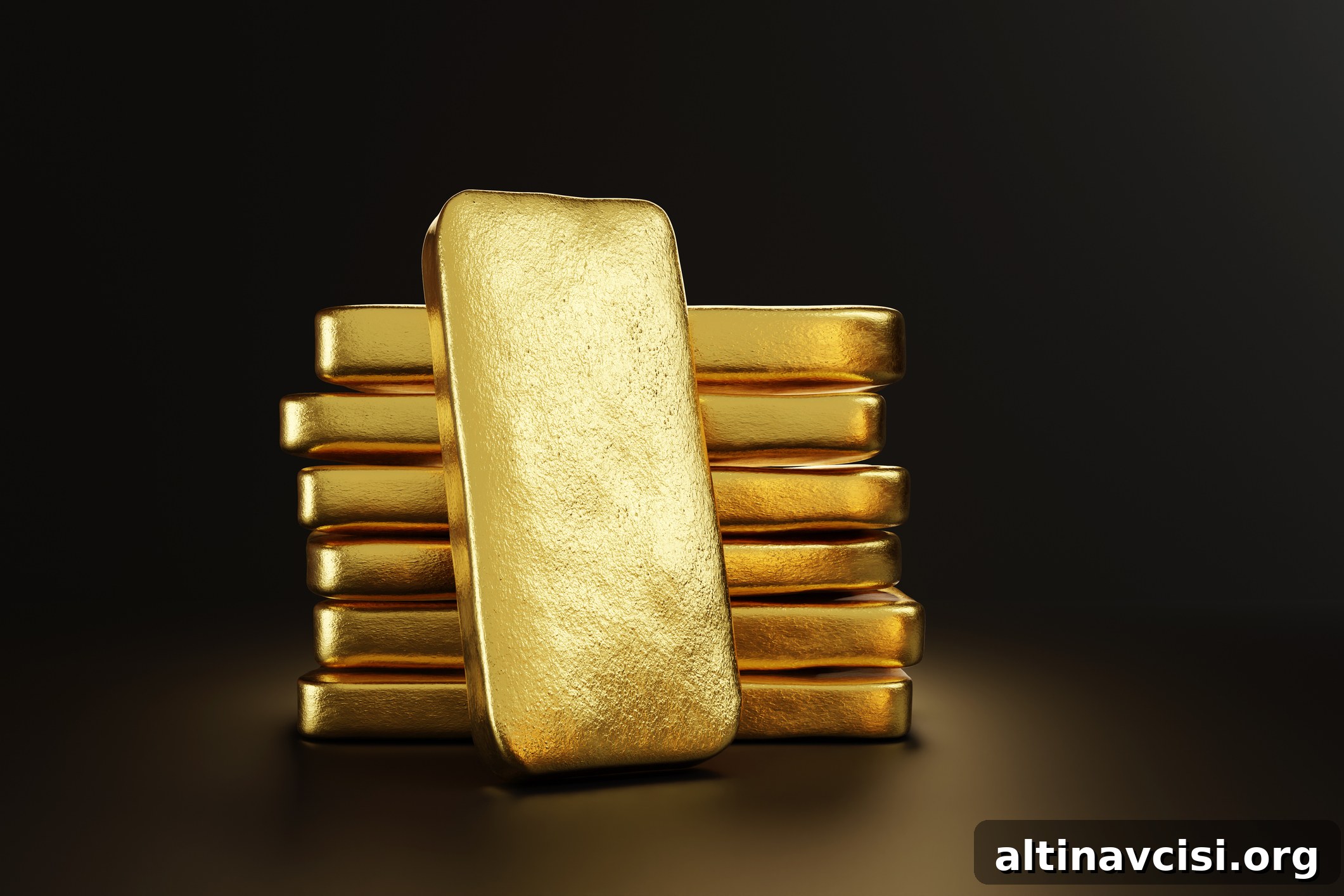
Gold reached a fresh record, briefly topping $3,052.40 per ounce before closing at $3,049 — a gain of about 0.3% — after the Federal Reserve opted to leave interest rates unchanged.
While the Fed still anticipates two rate cuts later this year, it also signaled increased economic uncertainty, a factor that has helped support demand for safe-haven assets like gold.
Gold has now advanced for seven consecutive sessions. The rally has been driven by several factors: investors seeking safety amid global geopolitical tensions, continued purchases by central banks, a softer U.S. dollar, and declining Treasury yields. These dynamics have combined to strengthen gold’s appeal as a store of value and hedge against market volatility.
Central-bank buying has remained an important backstop for prices, sustaining longer-term demand even as short-term traders react to Fed guidance. At the same time, lower real yields make non-yielding bullion relatively more attractive, encouraging both private and institutional investors to add to holdings.
Market participants are watching carefully for signals from upcoming economic data and future Fed communications. Any shift in rate-cut expectations, changes in inflation trends, or renewed geopolitical developments could influence gold’s trajectory in the weeks ahead.
For now, the combination of policy caution from the Fed, persistent global risks, and supportive technical and fundamental conditions continues to underpin gold’s record-setting run.