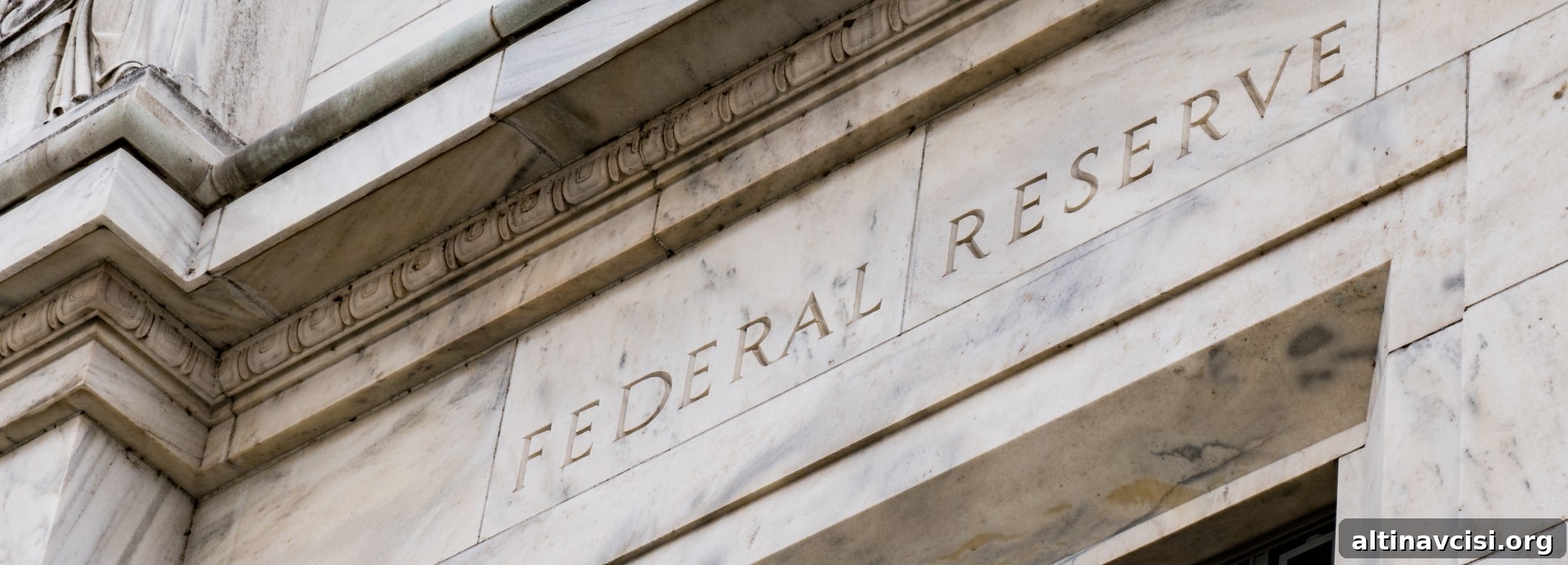
Kansas City Fed President Jeffrey Schmid defended the Federal Reserve’s decision to keep the federal funds rate in the current 4.25%–4.5% range, saying that the Fed’s modestly restrictive policy stance is “exactly where we want to be.”
Schmid made his remarks while acknowledging ongoing inflationary pressures and a generally strong economy. He emphasized that policy remains restrictive but not overly so, pointing to high equity valuations and narrow bond yield spreads as signs that financial conditions are accommodative in some ways and restrained in others. Those mixed signals, he argued, support maintaining rates at present rather than moving quickly to ease.
July’s consumer price index showed inflation running at 2.7% year over year, still above the Fed’s 2% objective. Schmid noted that this elevated reading, together with solid economic growth and labor market resilience, argues against an immediate path to rate cuts. He stressed the need for continued vigilance until inflation sustainably returns to target.
On the topic of tariffs, Schmid acknowledged the difficulties in isolating and quantifying how tariff-related costs feed into headline inflation. He said the effect of tariffs on measured inflation is complex and that clear answers are unlikely in the near term. For policy purposes, he promised not to separate tariff-induced price changes from broader inflation measures when assessing monetary policy.
Schmid’s comments follow a pattern this year in which the Fed has opted to hold the policy rate steady. The Federal Open Market Committee (FOMC) has left the rate unchanged at five consecutive meetings. At the most recent meeting, however, two governors—Michelle Bowman and Christopher Waller—registered an unusual dissent, preferring a 25-basis-point reduction to protect labor market conditions. That split marked the first time since 1993 that two FOMC participants voted against the committee’s decision by advocating rate cuts.
The FOMC will meet again in mid-September to consider the next policy move. Markets and policymakers will be watching incoming inflation data, labor market indicators, and financial conditions for signs that inflation is moving sustainably toward target or that downside risks to employment have intensified. For now, Schmid’s view is that the current rate range appropriately balances the goals of restraining inflation while avoiding unnecessary tightening of labor market conditions.
In short, Jeffrey Schmid articulated a cautious, patient approach: maintain the modestly restrictive policy stance and await clearer evidence on inflation dynamics—including any tariff effects—before easing rates. That approach reflects the Fed’s current emphasis on achieving a sustained return of inflation to 2% while monitoring economic growth and employment.