
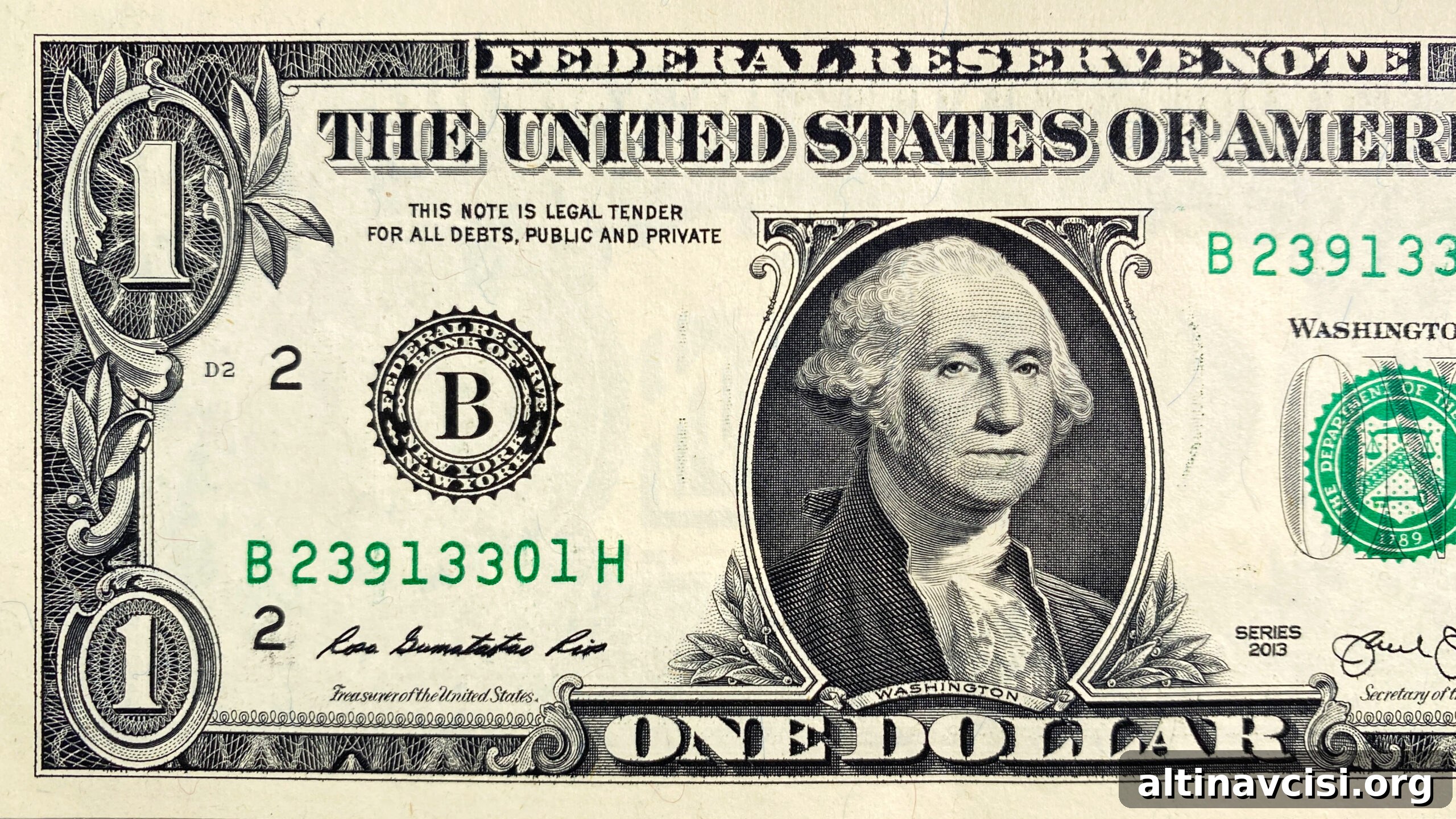
The U.S. dollar strengthened against several major currencies, most notably the Japanese yen, after long-term Japanese government bond yields dropped sharply. Market reports indicated that Japan’s Ministry of Finance may scale back issuance of ultra-long bonds, which pushed yields lower and supported the yen’s relative weakness against the dollar.
At the same time, investors welcomed President Trump’s decision to delay higher tariffs on the European Union, a move that had initially provided support to the euro. The temporary pause eased concerns about an immediate escalation in trade tensions between the United States and EU trading partners.
Market participants are also closely watching the progress of President Trump’s tax cut proposals. Ongoing debates in Washington over the scope and cost of the tax plan could widen the U.S. budget deficit, a factor that would influence global perceptions of U.S. assets and financial stability. Any changes that raise long-term borrowing needs may affect interest rates, currency values and investor appetite for U.S. securities.
In summary, currency and bond markets have been reacting to a mix of domestic fiscal policy proposals and international developments: potential changes to Japan’s bond issuance policy led to a notable drop in long-term yields, while trade policy decisions and fiscal debates in the United States continue to drive volatility and shape investor expectations.