July Spending Rose, but Americans Saw No Gains

Americans spent more in July than in June, but most of that increase reflected higher prices rather than increased buying. The July Personal Consumption Expenditures (PCE) report shows spending rose modestly in nominal terms while real spending was essentially flat.
According to the Bureau of Economic Analysis (BEA) release on August 26, 2026, consumer spending increased 0.2% in July—about $36.3 billion—while real (inflation-adjusted) spending rose by less than 0.1%, roughly $1.3 billion. In other words, nearly all of the gain came from higher prices rather than more goods and services being purchased.
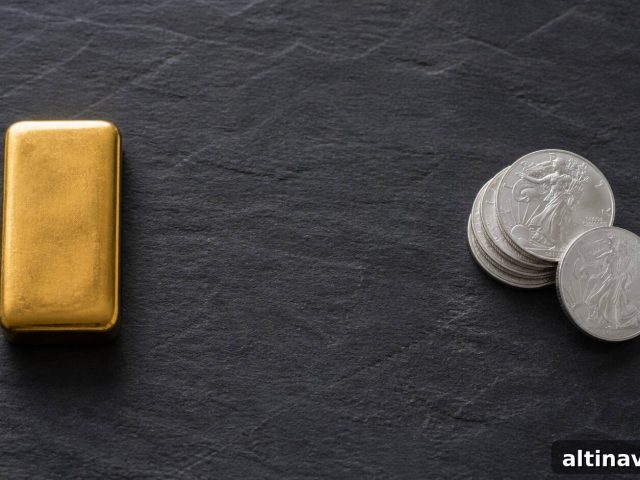
Precious metals reacted to the release: spot gold retraced part of a three-session advance and traded in the low $4,600s per ounce on Wednesday morning, roughly 1% below Tuesday’s close after an earlier touch at $4,674. Silver eased too, holding just above $68 per ounce.
What did the July PCE inflation report actually show?
The PCE price index rose 0.2% in July and was up 3.7% year-over-year, per the BEA release dated August 26, 2026. Core PCE, which excludes volatile food and energy prices, also rose 0.2% for the month and stood at 3.3% year-over-year. Economists polled before the release had expected the headline annual rate to cool to about 3.6%.
While the headline inflation number came in a touch hotter than forecast, the internal composition is more revealing. Services spending rose by $86.2 billion, while goods spending fell by $49.9 billion. Households continued to spend on services that are difficult to delay—healthcare, housing-related services, travel and dining—while cutting back on postponable goods purchases. That divergence underscores how resilient services inflation remains even as goods demand softens.
Two other figures matter for consumers and markets. The personal saving rate ticked up to 3.0% in July from 2.7% in June, indicating a small increase in household precautionary buffers. Separately, the BEA’s second estimate of second-quarter GDP, released the same morning, remained at a 1.5% annualized growth rate.

The Edge Every Investor Needs
Smarter precious metals investing starts here. The Nuggets Newsletter delivers market insights, Fed updates, global trends, and educational resources to help you stay informed.
Why did gold fall when inflation came in hot?
Gold’s price moves respond more to real interest rates than to headline inflation alone. Real yields equal nominal Treasury yields minus expected inflation; when inflation surprises to the upside, markets often raise the probability of tighter Federal Reserve policy. Higher expected real yields increase the opportunity cost of holding non-yielding assets like gold, putting downward pressure on prices.
This week, energy markets also weighed on gold. Crude oil slid for a third consecutive session on reports of discussions between Iran and Oman about reopening a shipping corridor through the Strait of Hormuz. Lower oil prices reduce near-term inflation expectations, which further lifts real-rate expectations and dampens bullion demand. The PCE print acted as the immediate trigger, but energy dynamics amplified the move.
What does flat real spending mean for savers?
The report shifts this from a market story to a personal finance issue. Inflation is more than rising prices; it represents a loss of purchasing power. The PCE figures quantify that loss. Core PCE has remained above the Federal Reserve’s 2% target every month since April 2021, making the July release the 64th consecutive month above the target, according to Federal Reserve data.
At an annualized headline pace of 3.7%, a dollar loses roughly 3.6% of its purchasing power each year. Over five years, compounding at that rate erodes about 17% of purchasing power. With the personal saving rate at just 3.0%, ordinary savings accounts offer limited protection against that steady decline, prompting some investors to seek alternatives outside traditional bank deposits.
Precious metals like gold and silver do not pay interest and carry no issuer counterparty risk. Their appeal rests on the expectation that monetary and fiscal trends will continue to favor assets that preserve real purchasing power, rather than on specific short-term forecasts.
What should gold and silver holders watch next?
There are three near-term events investors should monitor. First, Fed Chair Warsh is scheduled to deliver his Jackson Hole speech on Friday, August 28 at 10:00 a.m. ET—his first major public address in that role. Second, the Federal Open Market Committee meets on September 15–16; market-implied odds for a rate move shifted in August, with a meaningful chance priced for action in September. Third, the BEA will start its annual revisions on September 30, which adjust historical PCE and personal income data. Early estimates from private forecasters suggest those methodological updates could lower reported core inflation for past months without any actual price declines, simply by altering seasonal and weighting assumptions.
Monitor real yield movements, Fed communications, oil-price trends, and the BEA revision process. Those factors collectively influence the risk-reward calculus for gold and silver holders in the coming weeks.
SOURCES
1. Bureau of Economic Analysis — Personal Income and Outlays, July 2026 (BEA 26-39), August 26, 2026
2. Bureau of Economic Analysis — GDP (Second Estimate) and Corporate Profits, 2nd Quarter 2026, August 26, 2026
3. Federal Reserve Bank of Dallas — Analysis on core inflation persistence
4. Federal Reserve Bank of St. Louis — Research on headline vs core inflation dynamics
5. CME Group — FedWatch Tool (September 2026 probabilities, August 24, 2026)
6. Oxford Economics — PCE nowcast and methodology commentary (August 2026)
7. GoldSilver — Live gold and silver spot prices (August 26, 2026)
Disclaimer: This article is for informational purposes only and does not constitute investment advice. Past performance is not indicative of future results. Always consult a qualified financial advisor before making investment decisions.
You May Also Like:
- The Fed Has Two Hike Numbers Right Now. Almost Everyone Quotes the Wrong One.
- Gold and Silver Pulled Back Today. The Treasury’s Plumbing Explains Why.
- A Stablecoin Issuer Bought More Gold Last Year Than Any Central Bank
- Two Investors Ran the Debt Math Separately. Both Landed on 15% Gold.
- Gold Nears $4,700, Silver Holds Above $69. Why Is Everyone Waiting on One Friday Speech?
- Gold Hits 3-Month High as Oil Falls Ahead of Bessent’s Iran Sanctions Announcement
- Gold’s Speculative Crowd Hit a 60-Week High. Almost Nobody Bought.
Popular Topics
Picked from the archive
-
01
 Topics
Gold-to-Oil Ratio: How It Impacts the Economy and Portfolios
-
02
Topics
Silver Soars to $75 as Gold Tops $4,500 Amid Stagflation Fears
-
03
Topics
Why Gold Holds Value: The 5,000-Year Truth Investors Miss
-
04
Topics
How Kevin Warsh as Fed Chair Could Affect Gold Prices
-
05
Topics
Gold Price to Hit $5,500 by Q1 2027? Central Bank Risk
-
06
Topics
How the SILVER Act Affects Precious Metals Investors
-
07
Topics
Gold vs Silver: Why Gold Stabilizes Markets, Silver Amplifies
-
08
Topics
Two Numbers in Five Days Will Decide Gold Price Outlook