Silver Soars to $75 as Gold Tops $4,500 Amid Stagflation Fears

Daily News Nuggets | Today’s top stories for gold and silver investors
December 26th, 2025
Gold Notches Its 50th All-Time High of the Year, Blasts Through $4,500
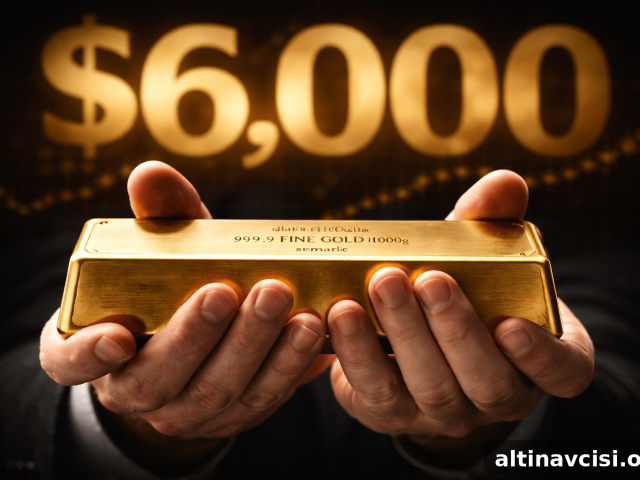
Gold has reached an extraordinary milestone in 2025: it recorded its 50th all-time high this year, with spot prices pushing past $4,500 per ounce. The rally is being driven by a combination of sustained central-bank buying, persistent inflationary pressures, and mounting concern over global growth prospects.
Analysts describe the rally as the result of a near-unique convergence: falling real yields, elevated geopolitical risk, and steady demand from Asia and the Middle East. At the same time, many investors are rotating out of high-multiple technology stocks and reallocating into hard assets that historically preserve value in uncertain times.
Importantly, this breakout in gold looks structural rather than purely speculative. The market’s behavior suggests gold is increasingly treated as a long-term insurance allocation rather than a short-term trading vehicle. Central banks—especially those focused on reserve diversification—have become one of the clearest pillars underpinning the bull market.
The surge is not isolated to gold; silver is also experiencing historic moves, and both metals are drawing stronger attention from institutional and retail buyers.
The Financial System Isn’t Safer — And You Know It
As risks mount, see why gold and silver are projected to keep shining in 2026 and beyond.
Sign up for timely updates and analysis on precious metals and market risk management.
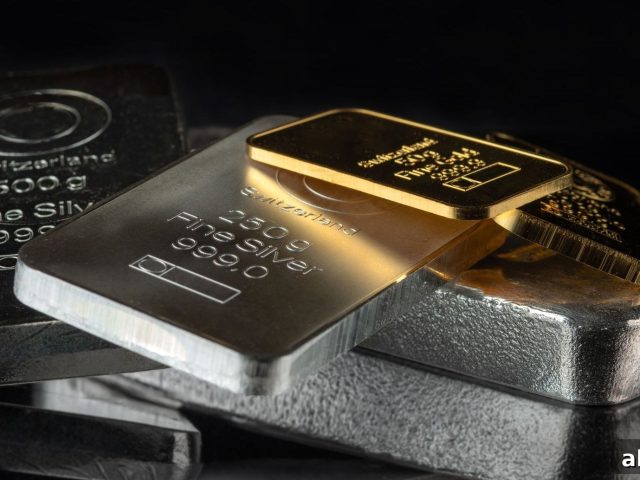
Silver Surges to Record Highs on China Buying Frenzy
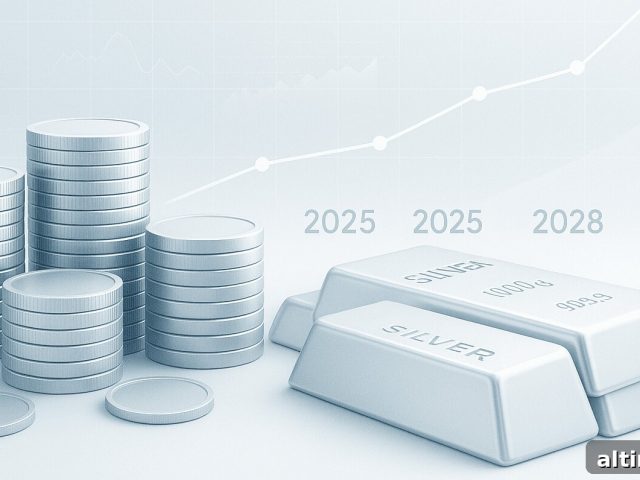
Silver has surged to all-time highs on heavy buying in Shanghai, where prices recently climbed above $75 per ounce. The spike reflects several domestic pressures: a weaker yuan, a sluggish property market, and heightened geopolitical tensions that have driven retail and wholesale buyers toward tangible assets.
Market participants say Chinese demand has created a sizable local premium compared with international benchmarks, widening arbitrage opportunities and incentivizing wholesalers and refiners to supply more metal to domestic markets. For many Chinese investors, silver offers a hybrid appeal: monetary credibility alongside significant industrial demand.
Silver often acts as a gauge of retail investor anxiety. When Chinese retail demand accelerates, global prices tend to follow. Added to that, secular industrial demand—most notably from solar energy and electric vehicles—supports a durable structural component to silver’s bull run.
The precious-metals rally now includes other group members as well: platinum, for example, is reaching record territory for different, largely industrial, reasons.
Platinum Jumps to Record on Supply Crunch, EU Policy Reversal
Platinum prices have climbed to new highs after policy changes in the European Union effectively extended the market life for internal-combustion engine vehicles. That shift increases near-term demand for catalytic converters and other platinum-intensive automotive components.
At the same time, supply is constrained. South Africa, the world’s dominant producer, continues to face operational challenges—including power shortages and intermittent mine closures—which keep output tight. Producers warn that without fresh investment, the supply deficit could persist, reinforcing higher prices for the metal.
This combination of policy-driven demand and limited supply can create volatile price behavior. Platinum’s move underlines how metals closely tied to energy and transportation policies can experience sharp swings when governments change regulatory direction.
Economists Push Back: U.S. Nowhere Near 4%–5% Growth
Official headlines citing robust GDP growth have met skepticism from many economists who point to softer underlying indicators. Retail sales are easing, manufacturing surveys remain weak, and consumer credit delinquencies have shown signs of rising stress. Several forecasters now suggest real U.S. growth may be closer to 1%–2% rather than the higher figures reported.
Financial markets are reacting: bond yields have stabilized, and talk of recession has begun to re-emerge in investor discussions. The next employment and inflation reports will be watched closely for confirmation of either improvement or deterioration.
Why this matters for precious metals: a scenario where growth disappoints while inflation remains elevated—stagflation—has historically been one of the most supportive environments for gold. That potential outcome is a key reason many central banks and sovereign managers continue to increase allocations to gold as a hedge against policy and economic uncertainty.
China Sets New Record for Russian Gold Imports
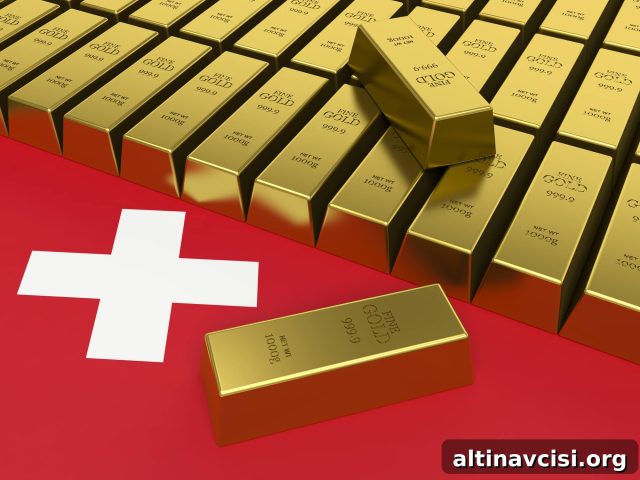
China is reshaping global gold flows. November marked Beijing’s largest single-month imports of Russian gold on record, according to customs data, highlighting a strategic shift in trade and reserve management.
With Western sanctions limiting Russia’s access to U.S. and European markets, a greater share of output has been redirected toward Asia. Observers note that China’s accumulation appears structural—part of a broader effort to diversify reserves and deepen bilateral trade arrangements outside the dollar system.
Central-bank buying of this scale is one of the most important supports for the current gold bull market. As demand moves east and becomes less price-sensitive, the global supply-demand balance for gold is changing in ways that may support elevated price levels over the medium term.

- Gold Breaks $4,500 While Vanguard Flips Strategy
- Silver Breaks $70 as GDP Numbers Tell Two Stories
- Gold Smashes $4,400 as Silver Eyes $70
- JP Morgan: Gold Could Hit $5,400 by 2027
- Silver Bulls vs. Bears: Is It Time to Take Profits After Historic 2025?
Popular Topics
Picked from the archive
-
01
 Topics
Reuters Poll: Flight to Safety Boosts Gold and Silver Forecasts
-
02
Topics
Silver Pauses After 100% Rally as Gold Traders Watch Fed
-
03
Topics
Markets Flee Risk as US-Iran Tensions Lift Dollar, Push Oil
-
04
Topics
World Gold Council Says Gold Tariffs Unlikely but Possible
-
05
Topics
Why Big Banks Predict Gold Prices Over $6,000
-
06
Topics
Swiss Gold Exports Surge to the US Ahead of 39% Tariff
-
07
Topics
Gold Hits Five-Week High on Trade Uncertainty, Weak Dollar
-
08
Topics
Tariff Deadline Fears Push Gold Prices Up as Other Metals Slide