Why Your Pension Can Hold Gold but Your 401(k) Can’t

Corporate pension plans can invest in gold, real estate, private equity, and commodities. Most 401(k) plans cannot — not because gold is a poor investment, but because of a longstanding fiduciary standard. That standard hasn’t evaluated gold on its merits; it’s been driven by plan managers’ concern about litigation risk.
That gap is now the target of formal federal rulemaking. This article explains what has changed, what remains the same, and where common misunderstandings come from. Much of the online coverage has been inaccurate, so the following corrects the record and clarifies practical next steps.
What Is the Fiduciary Rule Holding 401(k)s Back From Alternative Assets?
Under ERISA (the Employee Retirement Income Security Act), anyone who selects investment options for a 401(k) owes a legal duty of prudence. Regulators historically judged that duty largely by outcomes and by whether an investment resembled the conventional menu — index funds, target-date funds, and plain bonds. Investments that were more complex, less liquid, or harder to value, including gold, increased litigation risk. Most plan sponsors opted to avoid that risk rather than add unconventional options.
Defined-benefit pension plans have not faced this constraint to the same extent. Their fiduciaries answer to a smaller, often more sophisticated stakeholder group, and pension plans have allocated to private equity and real assets for decades. Defined-contribution plans like 401(k)s have seldom done so, not because ERISA bars such investments, but because of fiduciary caution and the fear of lawsuits.
In August 2025, Executive Order 14330, titled “Democratizing Access to Alternative Assets for 401(k) Investors,” directed the Department of Labor (DOL), together with Treasury and the SEC, to create a pathway for alternative investments — including private equity, private credit, real estate, infrastructure, digital assets, commodities, and lifetime income strategies — to be considered for 401(k) menus. Within days of the order, the DOL rescinded a 2021 statement that had warned fiduciaries specifically against private equity.
The Knowledge That Changes Everything

Two essential guides — yours free. Learn why gold matters and why fiat currencies have struggled historically.
What Does the New DOL Rule Actually Change?
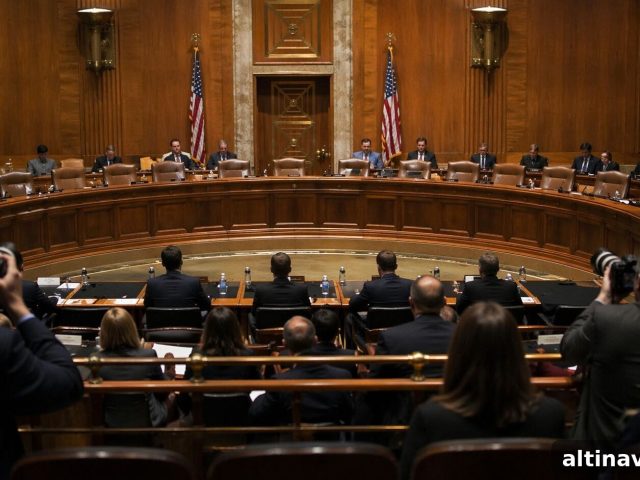
On March 30, 2026, the Department of Labor’s Employee Benefits Security Administration proposed a rule titled “Fiduciary Duties in Selecting Designated Investment Alternatives,” published in the Federal Register the following day. The proposal implements the executive order by creating a process-based safe harbor for plan fiduciaries considering alternative investments.
Instead of judging fiduciaries only by investment outcomes, the proposed rule specifies the factors fiduciaries should document when selecting plan options: historical performance, fees, liquidity, valuation methods, benchmarks, and complexity. If a fiduciary follows that documented, prudent process, they receive a rebuttable presumption that the duty of prudence was satisfied, even if an investment is illiquid or underperforms.
At the time of the proposal, the DOL described the rule as neutral about asset classes: it requires a consistent process for evaluating any product a plan might add but does not mandate specific assets. In short, the safe harbor applies to any designated investment alternative and does not single out gold or compel any plan to add new options.
Is Gold Named in the New 401(k) Rule?
No. The executive order uses a broad definition of “alternative assets” that includes private equity, private credit, real estate, infrastructure, digital assets, commodities, and lifetime income strategies. Commodities implicitly include gold, but neither the order nor the DOL’s proposed rule singles out gold or guarantees it will appear on any specific plan’s investment menu. Whether a 401(k) eventually offers a gold option will depend on each plan sponsor and the documented fiduciary process they follow.
Has the 401(k) Gold Rule Already Taken Effect?
Not yet. The public comment period on the proposed DOL rule closed June 1, 2026. As of this writing, the rule is still proposed, not final, and fiduciaries cannot rely on the safe harbor until the rule is finalized. The DOL has indicated it hopes to issue a final rule by the end of 2026, but that timeline is not guaranteed and the final language could differ from the proposal.
Claims that 401(k) plans could hold gold and silver bullion as of February 2026 confuse this pending rule with a separate, older tax law that applies to IRAs, not 401(k) plans.
Why Do People Confuse the 401(k) Rule With IRA Gold Rules?
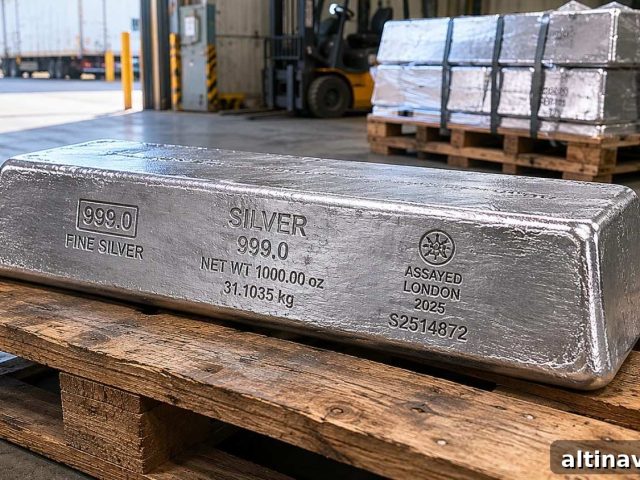
The rules sound similar but govern different accounts. Individual Retirement Accounts have been permitted to hold certain physical precious metals since 1997 under Internal Revenue Code Section 408(m). The law generally prohibits “collectibles” inside IRAs but makes a narrow exception for bullion and some coins that meet specific purity thresholds for gold, silver, platinum, and palladium.
Those IRA rules specify minimum fineness standards and require that the metal be held by an IRS-approved trustee or depository; if the bullion is moved into the account owner’s personal possession, the IRS treats the transfer as a taxable distribution. None of these IRA-specific tax rules applies to a 401(k) plan’s investment menu. Section 408(m) governs IRAs only; the DOL’s proposed safe harbor addresses how 401(k) fiduciaries could justify offering alternatives.
What Can You Actually Do With Your Retirement Savings Right Now?
If you want exposure to physical gold in a tax-advantaged account today, the established route is a self-directed IRA that holds IRS-eligible bullion. That option already exists. Relying on your employer to add a gold option to its 401(k) may take a long time: the DOL rule is not final, and even after finalization, plan sponsors must choose to act.
Retirement balances and withdrawals matter in this discussion. For example, hardship withdrawals and low median balances highlight the practical trade-offs investors face when reallocating savings. Whatever role gold may play in a portfolio, the account type—IRA versus 401(k)—affects tax treatment and accessibility.
Many financial advisors include a modest allocation to gold in diversified portfolios. Industry research has tested small allocations (for instance, 2.5% to 10%) and found improvements in risk-adjusted returns in historical simulations. When investors adopt a dedicated gold allocation inside tax-advantaged accounts, they often make a deliberate, single decision such as an IRA rollover rather than many small purchases.
What Should You Watch for Next on the 401(k) Rule?
Watch three developments: (1) the DOL’s review of public comments submitted through June 1, 2026; (2) whether a final rule is published by the end of 2026 or at a later date; and (3) related SEC rulemaking that could affect how alternative assets are integrated into 401(k) platforms if the DOL rule becomes final. Until a final rule is issued, fiduciaries cannot rely on the proposed safe harbor, and no plan is required to add gold or other alternatives.
For live market prices, check your preferred precious metals price charts or market data provider for continuously updated gold and silver quotes.
Stay On Top of Gold & Silver Prices
Get market alerts sent to your inbox.
People Also Ask
Can I put gold in my 401(k) right now?
Almost never, in practice. The proposed DOL rule creates a process fiduciaries could use to justify adding alternatives like gold, but it does not require any employer to add gold or other nontraditional assets. Check with your plan administrator to see what your 401(k) currently offers.
What’s the difference between the 401(k) rule and IRA gold rules?
The proposed 401(k) rule is a fiduciary safe harbor that would guide what plan sponsors may add to their investment menus. IRA gold rules are established tax law (IRC Section 408(m)) that has allowed certain bullion and coins in IRAs since 1997. They govern different account types and are implemented under different legal frameworks.
When will the DOL’s 401(k) alternative assets rule be final?
There is no confirmed date. The DOL has said it hopes to finalize the rule by the end of 2026, but that is an intention rather than a firm deadline. The final rule, if published, could differ from the March 2026 proposal.
SOURCES
1. The White House — Executive Order 14330, “Democratizing Access to Alternative Assets for 401(k) Investors” (August 7, 2025).
2. Federal Register — DOL proposed rule, “Fiduciary Duties in Selecting Designated Investment Alternatives” (March 31, 2026).
3. Legal and commentary from industry law firms and retirement research referenced regarding the rulemaking and IRA precious metals guidance.
4. IRC Section 408(m) and secondary commentary on IRA precious metals eligibility.
5. Retirement industry data on participant behavior and portfolio research on gold allocations.
Disclaimer: This article is for informational purposes only and does not constitute investment advice. Past performance is not indicative of future results. Always consult a qualified financial advisor before making investment decisions.
You May Also Like:
- Ten Percent Sent Gold Abroad. Nine Percent Brought It Home.
- Permanent Portfolio: Harry Browne’s 25% Gold Rule
- Australian Gold Kangaroo: The Bullion Coin Backed by an Act of Parliament
- What Is Sound Money? Why the Dollar Lost Value Since 1971
- Vault Storage vs. Gold ETFs: Who Owns the Gold You Paid For?
- Silver Price Outlook: Recent Market Trends
- What an Inverted Yield Curve Means for Gold Prices
- Gold Price Outlook: Interpreting Key Data Signals
Popular Topics
Picked from the archive
-
01
 Topics
Gold-to-Oil Ratio: How It Impacts the Economy and Portfolios
-
02
Topics
Silver Soars to $75 as Gold Tops $4,500 Amid Stagflation Fears
-
03
Topics
Why Gold Holds Value: The 5,000-Year Truth Investors Miss
-
04
Topics
How Kevin Warsh as Fed Chair Could Affect Gold Prices
-
05
Topics
Gold Price to Hit $5,500 by Q1 2027? Central Bank Risk
-
06
Topics
How the SILVER Act Affects Precious Metals Investors
-
07
Topics
Gold vs Silver: Why Gold Stabilizes Markets, Silver Amplifies
-
08
Topics
Two Numbers in Five Days Will Decide Gold Price Outlook