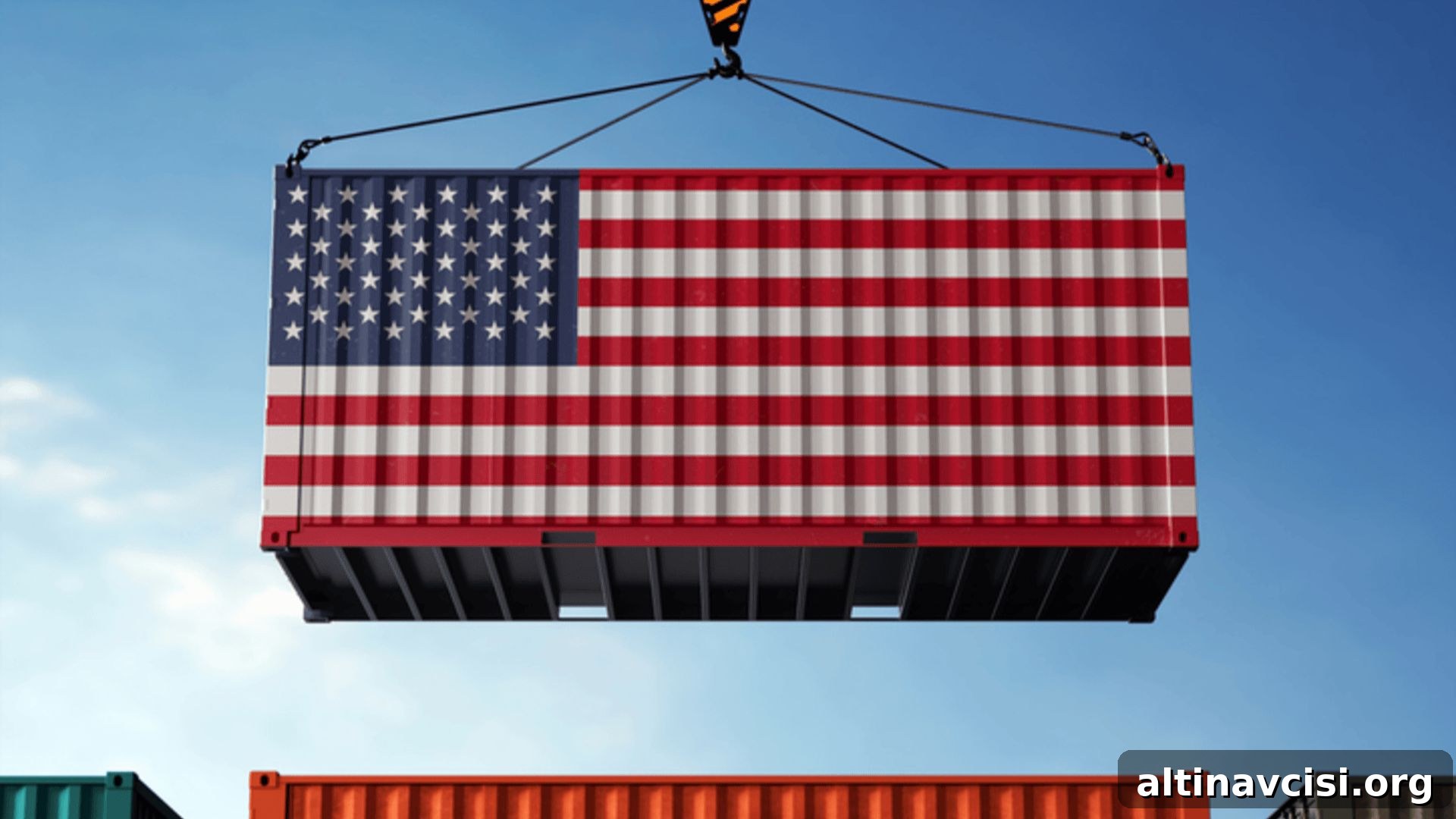
President Trump’s new tariffs on Chinese imports — and the possibility of adding duties on goods from Mexico and Canada — could raise costs for American households by roughly $1,200 per year on average, with the burden falling disproportionately on lower-income families.
Analysis from the Peterson Institute estimates that a typical household would see about $1,200 in added annual costs from the proposed tariff package. But that average masks a sharp distributional impact: households in the bottom 20% of the income scale would shoulder a hit equal to about 2.7% of their income, while the richest 1% would face only about a 0.6% reduction. In other words, lower-income families would lose more than four times as much of their income proportionally.
That disparity reflects differences in spending patterns. Lower-income households devote a larger share of their budgets to essentials — items such as food, clothing, and household goods — that are more likely to be directly affected by tariffs. As a result, tariffs operate much like a regressive tax, increasing the cost of necessities for people with the least ability to absorb higher prices.
The timing of the tariff measures compounds the concern. Consumer financial resilience has already weakened: a growing share of credit-card accounts are carrying high minimum payments, with recent data showing minimum payments at a record 11% of active accounts. Higher import duties could push retail prices up further, contributing to inflationary pressure and complicating the Federal Reserve’s path to lower interest rates. If inflation remains elevated, the Fed may delay rate cuts, keeping borrowing costs higher for longer and adding strain to household budgets and business financing.
Tariffs also raise the risk of retaliatory actions from trading partners. If China imposes its own duties in response, U.S. manufacturers and agricultural producers could suffer, particularly in states where export-dependent industries are concentrated. Those same states were among the sources of support for President Trump in the 2024 election, highlighting a political and economic tension: measures designed to protect domestic producers could nevertheless disrupt export markets and local employment.
For low-income families the effects would be especially acute. Many are already coping with elevated living costs, diminished savings buffers, and rising debt levels. Added prices on everyday goods would further erode purchasing power, forcing difficult trade-offs between necessities and other expenses. The combined effects of higher consumer prices, potential job risks in trade-exposed sectors, and sustained higher interest rates could deepen financial stress for vulnerable households.
In sum, while tariffs are often presented as a tool to protect domestic industry, the immediate economic consequence of higher import duties would likely be higher prices for consumers and a regressive distribution of costs that hits lower-income Americans hardest. Policymakers weighing such measures must consider not only their impact on trade balances and domestic producers, but also the uneven burden on household budgets and the broader implications for inflation, interest rates, and employment.