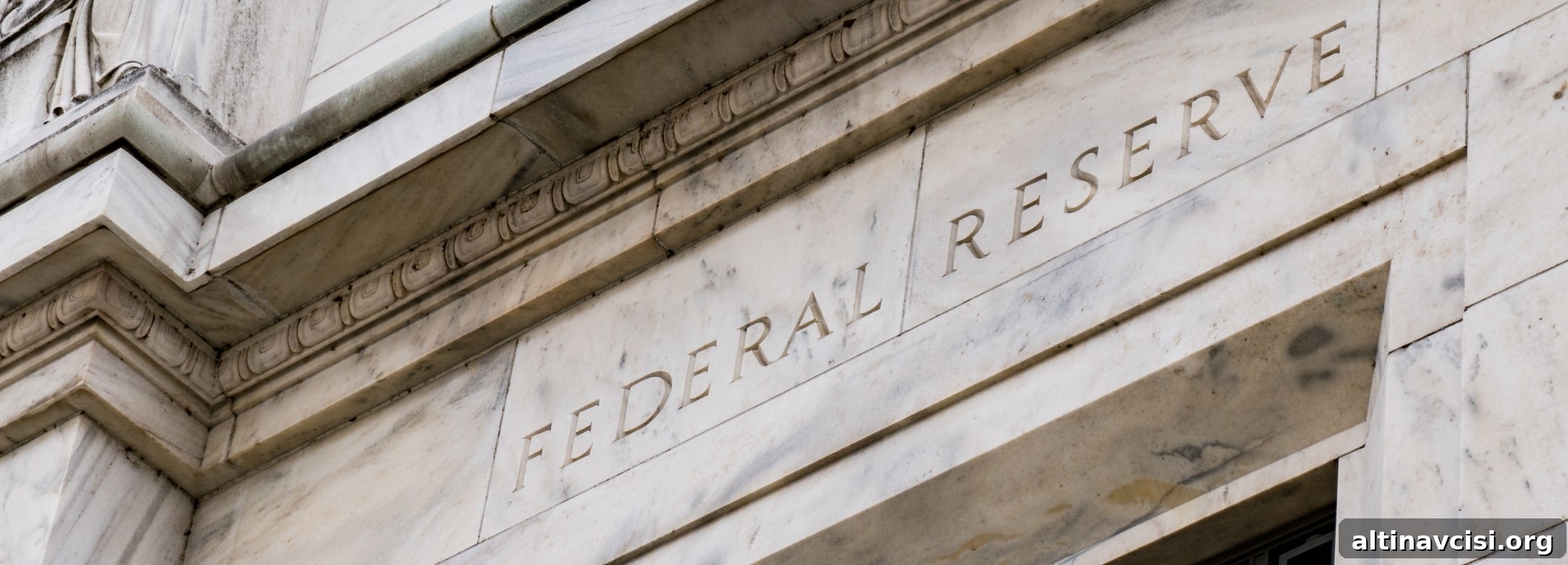
President Trump is expected to announce a replacement this week for Federal Reserve Governor Adriana Kugler, a decision that could also hint at his preference for the next Fed Chair. Reported candidates on the short list include economic adviser Kevin Hassett, former Fed Governor Kevin Warsh, and possibly current Fed Governor Christopher Waller. Each of these names carries distinct policy implications and would be interpreted differently by markets, lawmakers, and central banking observers.
Kugler’s decision to leave the Fed earlier than her term’s scheduled end follows a separate high-profile personnel move by the administration: the removal of the Bureau of Labor Statistics chief. That action prompted concern among economists and international partners about the credibility and independence of U.S. economic reporting. Observers warned that abrupt personnel changes at key statistical and monetary institutions risk undermining confidence in official data and in longer-term policymaking.
At the same time, the broader economic backdrop complicates any transition at the Fed. Inflation has been on an upward trajectory in recent months while job growth has shown signs of slowing, a combination that tightens the trade-offs facing central bankers. The Fed’s primary mandate is price stability and maximum sustainable employment, and both priorities are more difficult to balance when inflation accelerates as employment momentum cools. Markets pay close attention to personnel moves because the policymaking stance of the Federal Reserve can shift notably depending on who fills leadership roles.
The three reported contenders represent different strands of monetary policy approach and institutional experience. Kevin Hassett, known for his role as an economic adviser, has strong ties to the administration’s economic policies and would likely be perceived as sympathetic to pro-growth fiscal priorities. Kevin Warsh brings a background as a former Fed Governor and is generally viewed as experienced in central banking, which could reassure investors who value continuity and technical expertise. Christopher Waller, a sitting Fed Governor, is already part of the current deliberations and would likely signal the least disruptive transition, as he is familiar with internal processes and ongoing policy debates.
Markets and analysts will be watching not only the nominee’s stated views on interest rates and inflation but also signals about Fed independence. Appointments that appear overtly political can generate market volatility by increasing uncertainty about how decisions will be made. Conversely, selecting candidates with strong institutional credentials and a demonstrated commitment to evidence-based policy tends to stabilize expectations about the Fed’s future path.
In addition to immediate market reactions, the choice of a new governor or an implied successor for the chairmanship affects longer-term policy frameworks. A nominee’s stance on rules-based policy, data reliance, and communication practices—such as forward guidance and transparency around rate decisions—shapes how businesses, consumers, and investors form expectations. The credibility of monetary policy depends heavily on the perceived integrity of those who make it; therefore, appointments at the Fed are closely scrutinized for signals about both competence and independence.
Lawmakers on Capitol Hill may also weigh in during the confirmation process, raising questions about the nominee’s legal and ethical qualifications, views on monetary policy, and perspectives on the proper role of the Fed in the broader U.S. economy. Hearings can become a forum for broader debate about central bank accountability and the balance between political oversight and operational independence.
Finally, the broader geopolitical context matters. International partners and global markets monitor U.S. central bank leadership choices because the Fed’s policies influence global capital flows, exchange rates, and financial stability. Any perceived shift in the Fed’s approach can ripple across economies that depend on predictable U.S. monetary policy. For these reasons, the administration’s upcoming announcement will be examined both for who is selected and for what the selection signifies about the future direction of U.S. economic policy.