Gold Tops $3,382 as Copper Supply Tightens
Gold Futures Rise as Investors Seek Safe Haven Amid Tariff Hike and Geopolitical Tensions
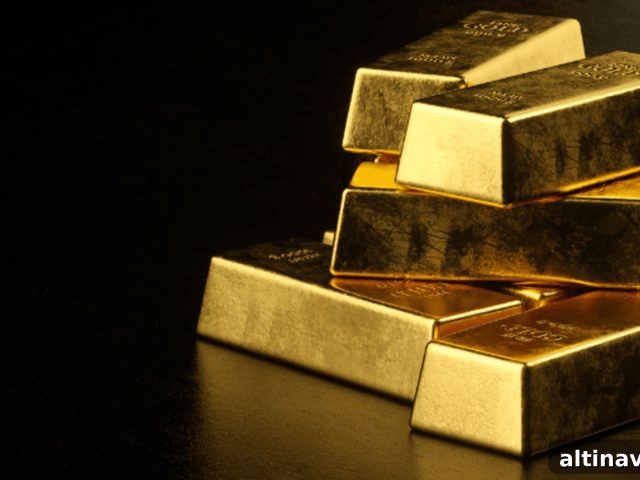
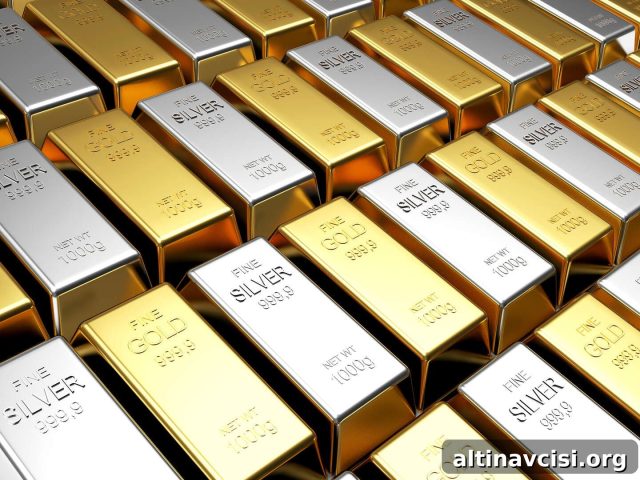
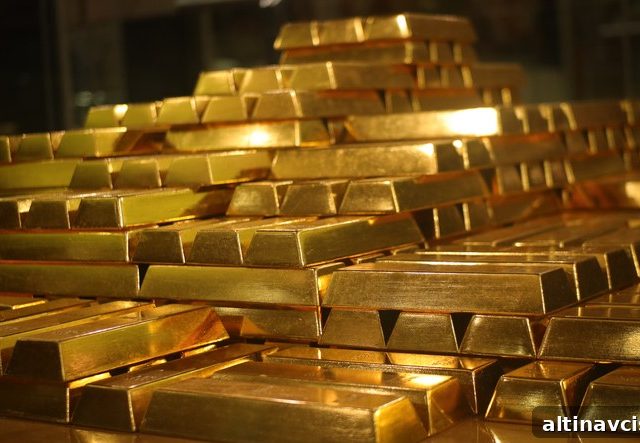
Gold futures climbed 0.2% to $3,382.60 per troy ounce as investors moved toward safe-haven assets in response to heightened market uncertainty. The precious metal’s modest advance reflects a combination of trade policy shifts and geopolitical risk, which together have pushed some market participants to reduce exposure to riskier assets and increase allocations to gold.
Trade Policy and Market Reaction
One of the immediate catalysts for the recent move in gold prices is a new executive order from the U.S. administration that doubles tariffs on steel and aluminum. This policy shift has elevated concerns about potential trade frictions and their wider economic implications. Higher tariffs can increase the cost of raw materials, disrupt supply chains, and weigh on manufacturing activity—factors that may slow growth and prompt investors to seek protection in assets perceived as stores of value, such as gold.
Geopolitical Tensions Supporting Demand
Escalating tensions between Russia and Ukraine have also contributed to gold’s appeal. Geopolitical uncertainty tends to boost demand for safe-haven assets because it raises the likelihood of market volatility and risk aversion. In this environment, gold often serves as a hedge against uncertainty, with investors using the metal as part of broader risk-management strategies.
Central Bank Activity
Central banks continue to play a constructive role in underpinning gold prices. In April, central bank purchases added 12 metric tons to global reserves, a sign that official sector demand remains a significant factor for the market. Although this represented a 12% decrease compared with the prior month, the continued accumulation of gold by central banks supports long-term price stability and signals confidence in gold’s role as a reserve asset.
Broader Metals Market: Copper and Aluminum
Base metals also saw gains alongside gold. Copper and aluminum prices rose amid the same mix of trade concerns and supply-side dynamics. Copper in particular has maintained a strong year-to-date performance, with a roughly 10% gain driven in part by supply disruptions in major producing regions such as Chile and the Democratic Republic of Congo. Those disruptions constrain supply and can tighten market balances, providing price support even when demand faces headwinds from trade-related uncertainty.
What This Means for Investors
For investors, the recent moves highlight the importance of diversification and risk management in uncertain times. Gold’s role as a hedge against geopolitical shocks and policy shifts remains relevant, while base metal price movements underscore how supply disruptions and trade policy can reverberate across commodity markets. Investors monitoring portfolio exposures may place greater emphasis on defensive allocations until clarity returns to trade relations and geopolitical developments.
Outlook and Market Dynamics
Looking ahead, gold prices will likely continue to respond to a mix of central bank behavior, geopolitical developments, and changes in global trade policy. Any further escalation in tariffs or additional geopolitical flare-ups could sustain safe-haven demand, whereas signs of easing tensions or improving trade relations could reduce that pressure. Similarly, ongoing supply issues in key metal-producing regions will remain an important variable for copper and aluminum prices.
In summary, the recent uptick in gold futures to $3,382.60 per troy ounce reflects heightened investor caution driven by a doubling of steel and aluminum tariffs and rising tensions between Russia and Ukraine. Central bank purchases, despite a month-on-month decline, continue to support gold as a reserve asset, while supply disruptions have helped lift base metals such as copper and aluminum.
Popular Topics
Picked from the archive
-
01
 Topics
Gallup Poll: Americans Shift from Stocks to Gold
-
02
Topics
Why Global Uncertainty Is Driving a 2025 Gold Boom
-
03
Topics
Bernstein Warns Investors of Bear Market Risk, Recommends Gold
-
04
Topics
Perth Mint Scandal: Restoring Global Trust
-
05
Topics
Will the U.S. Penny Be Retired? What to Know
-
06
Topics
Import Spike Before Tariffs Sends US Trade Deficit to Record High
-
07
Topics
CBO Warns: Trump Tax Plan Could Add $2.4T to US Deficit
-
08
Topics
Gold Drops from Record Highs as Global Trade Relations Improve