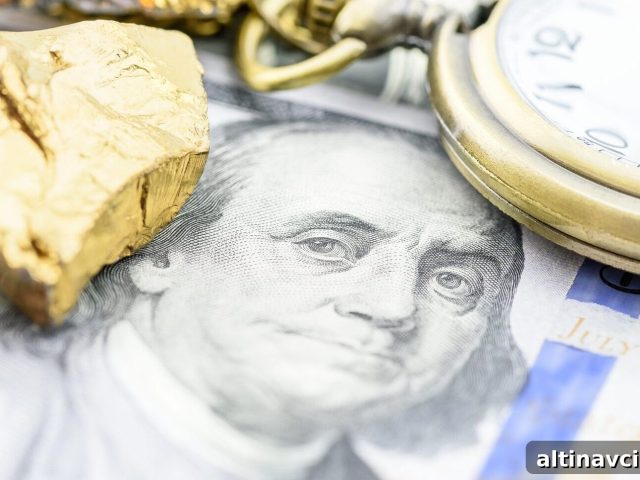
Why Global Uncertainty Is Driving a 2025 Gold Boom

Gold Investment Surges as Uncertainty Drives Demand for Safe-Haven Assets
Economic and political uncertainty has renewed global interest in gold as a reliable safe-haven asset. Since the U.S. presidential election that followed Donald Trump’s victory, gold prices have risen by roughly 20%, and they are up about 95% over the past five years. This sustained appreciation has attracted attention from both central banks and individual investors, prompting a notable increase in purchases of physical gold.
Rising Demand and Shifts in Buying Patterns
Demand for physical gold has shifted in recent years. While purchases of gold jewelry have declined—partly due to changing consumer preferences and economic considerations—investment in physical gold bullion, such as bars and coins, has increased. Investors seeking portfolio stability and a hedge against broader market volatility are turning to easily stored and liquid forms of gold.
In the United States, gold inventories held in secure vaults have doubled as large quantities of bullion have been moved into New York storage facilities. This accumulation of inventory in major financial centers reflects a broader movement of precious metal into institutional and private safekeeping, indicating stronger physical demand rather than purely speculative trading.
Central Banks Respond to Geopolitical Risks
Geopolitical events have played a pivotal role in accelerating central bank purchases. After Russia’s invasion of Ukraine, many central banks increased their gold buying at about twice the rate seen previously. These purchases are part of a strategy to diversify foreign reserves and reduce reliance on any single currency during periods of international tension and uncertainty.
Central bank acquisitions contribute to long-term demand because they typically involve large quantities bought for reserve diversification and balance-sheet stability. When sovereign buyers step up purchases, the effect on the gold market can be more enduring than short-term speculative flows.
Why Investors Choose Gold Now
Several factors explain why investors are favoring gold at this time. First, gold is widely viewed as a store of value during periods of high inflation, currency volatility, and unpredictable policy shifts. Second, it offers diversification benefits, often moving independently of equities and bonds. Third, physical bullion provides a tangible asset that can be held outside of financial systems, which appeals to those worried about systemic risk.
These attributes together make gold attractive to a variety of market participants—from private savers looking for preservation of wealth to institutional managers seeking hedges within multi-asset portfolios. The current environment of uncertainty has amplified these considerations, motivating more people to allocate funds to precious metals.
Expert Outlook and Market Implications
Several market observers and investors see the rally continuing. Billionaire investor John Paulson is among those predicting further gains for gold through 2028, suggesting that demand for stable assets will persist as global economic and political dynamics evolve. While no prediction is certain, the combination of increased central bank purchases, higher physical demand, and an ongoing appetite for safe havens supports a constructive outlook for the metal.
For everyday investors, the implications are mixed. Rising prices offer potential capital appreciation, but they also raise the bar for new buyers who may face higher entry prices. Storage, insurance, purity verification, and liquidity are practical considerations when choosing between coins, bars, or other forms of physical gold.
Practical Considerations
Investors considering gold should weigh their financial goals, time horizon, and risk tolerance. Physical gold can be acquired in many forms, but each option has trade-offs in terms of convenience, cost, and resaleability. Those allocating to gold for portfolio diversification should view it as part of a broader strategy rather than a guaranteed hedge against every market scenario.
In summary, heightened geopolitical and economic uncertainty has driven renewed interest in gold. Central bank buying, increased purchases of bullion and coins, and growing inventories in major vaults have reinforced demand. While experts anticipate further gains through 2028, individual choices about buying and holding gold should reflect personal objectives and an understanding of the practical aspects of owning physical precious metals.
Popular Topics
Picked from the archive
-
01
 Topics
Powell Says Tariffs Fuel Tension Between Inflation and Growth
-
02
Topics
Gold Price Holds Near $3,180 as Markets Brace for U.S. Data
-
03
Topics
U.S. $18 Trillion Debt Crisis: Paying for Lunch on Credit
-
04
Topics
Egg Prices Plunge: April’s Biggest Monthly Drop Since 1984
-
05
Topics
8 U.S. Cities Now Require Six-Figure Incomes to Rent
-
06
Topics
Goldman Analyst: China’s Pre-Holiday Selloff Sends Gold Tumbling
-
07
Topics
Gold Price Jumps 700 USD in 4 Months as Investors Seek Shelter
-
08
Topics
Technical Indicators Signal Silver Rally as Gold Fades