Oil Steady as OPEC+ Boosts Output, Canadian Supply Disruptions

Oil Prices Hold Steady as OPEC+ Output Plans and Canadian Wildfires Offset Market Forces
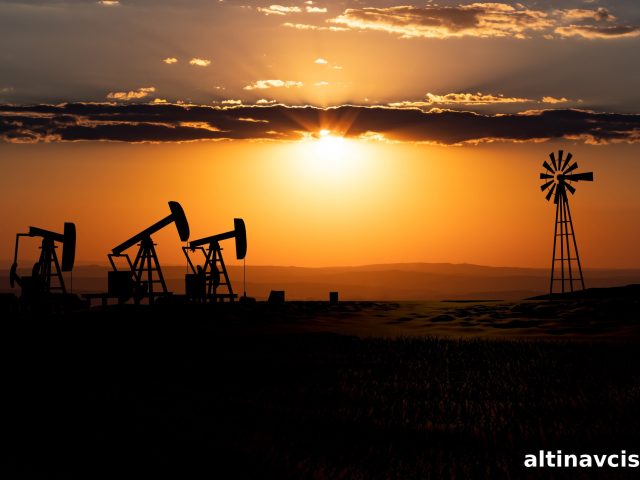
Oil prices remained broadly stable on Wednesday as opposing forces in the global energy market balanced one another out. On the one hand, OPEC+ has signaled plans to increase production by 411,000 barrels per day starting in July, a move that typically adds downward pressure on crude prices by increasing available supply. On the other hand, a significant disruption to Canadian oil output—estimated at around 344,000 barrels per day due to wildfires—has removed a sizable portion of supply from the market, providing support to prices.
The net effect of these developments has been a muted price reaction as market participants weigh how persistent each influence might be. The planned OPEC+ production increase reflects policy choices by major producing countries aimed at addressing demand expectations and market share considerations. Meanwhile, wildfire-related shutdowns in Canada are an example of how physical disruptions—often sudden and temporary—can tighten local supply and feed into broader market sentiment.
Beyond these headline supply changes, a range of other factors is shaping trader behavior and longer-term outlooks. Lingering trade tensions between the United States and China continue to inject uncertainty into global demand forecasts. Because China is one of the world’s largest energy consumers, any deterioration in trade relations or expectations of slower economic activity there can weigh on demand projections and therefore on oil prices.
Negotiations surrounding Iran’s nuclear deal also remain an important geopolitical variable. Progress or setbacks in those talks can influence expectations about Iranian exports returning to the market and thus affect global supply balances. Similarly, reports of declining oil revenues in Russia are being watched by investors; changes to Russian production or export patterns driven by fiscal pressures or policy shifts could further alter supply dynamics.
Market analysts are converging on the view that, for now, the upside potential for oil prices looks limited. Concerns about oversupply, lingering inventories in some regions, and signs of slowing global economic growth combine to temper bullish expectations. When supply-side supports—such as production cuts or unplanned outages—materialize, they can lift prices, but persistent demand-side weakness would likely constrain any sustained rally.
Traders and energy strategists are monitoring several indicators closely to assess which direction the market may take next. These include inventory data from major consuming regions, production announcements from oil-producing nations, the duration and extent of Canadian wildfire disruptions, and macroeconomic indicators that signal shifts in global demand. Short-term volatility remains possible as new information arrives, but the current balance of forces has translated into a relatively stable price environment.
In addition to immediate supply and demand considerations, broader structural factors—such as the pace of global economic recovery, energy transition policies, and investment in oilfield capacity—play a role in shaping medium-term price expectations. Any durable change to market fundamentals, whether through coordinated production changes, prolonged supply outages, or stronger-than-expected demand, would likely prompt clearer directional movement in prices.
For consumers, businesses, and policymakers, the present equilibrium underscores the interconnected nature of oil markets: policy decisions by producing countries, unexpected weather- and climate-related events, and geopolitical negotiations all interact to determine price levels. As the market evolves, clarity about the permanence of production adjustments and the trajectory of global economic activity will be key to understanding whether stability gives way to upward or downward pressure on oil prices.
Popular Topics
Picked from the archive
-
01
 Topics
Silver Poised to Rally After Gold’s Bull Run
-
02
Topics
Japan’s Finance Minister: U.S. Treasuries Could Sway Trade Talks
-
03
Topics
Gold Tops $3,500 as Trump-Powell Tensions Rattle Markets
-
04
Topics
Oil Price Tops $65 as US-China Trade Talks Lift Markets
-
05
Topics
What’s Driving Gold Volatility: Trade Tensions or Inflation?
-
06
Topics
Trump Raises Metal Tariffs to 50% as EU Reports Trade Progress
-
07
Topics
Why Investors Are Treating Gold as a Strategic Asset Again
-
08
Topics
Gold Falls Below $3,300 as US-China Trade Hopes Rise