Gold and Silver Prices Jump After Iran Peace Deal, Then Retreat

The Strait of Hormuz has been closed since February. That one fact pushed oil above $90, boosted US inflation to 4.2%, constrained the Federal Reserve’s room to maneuver, and helped drive gold more than 20% below its January high. Those moves were not a sign that the world had become safer; they were the result of a war-driven inflationary chain that left the Fed little flexibility.
On Friday, reports surfaced of a peace agreement. For the first time since March, that chain began to unwind.
Gold August futures opened Friday at $4,234.90—up roughly 3.4% from Thursday. Silver futures opened at $67.49, a near 5.5% jump. Both metals subsequently eased as traders weighed whether the deal would hold. By mid-morning, gold had settled around $4,205 and silver near $66.91 (goldsilver.com price charts, June 12, 2026).
That pullback is not confusion. It reflects caution. As Ole Hansen, head of commodity strategy at Saxo Bank, noted: after more than 30 similar announcements in recent months, investors are increasingly reluctant to take such statements at face value. The right focus for now is to watch how Iran behaves at the negotiating table rather than relying on media statements.
Below is a clear explanation of the mechanism behind Friday’s market moves and four related takeaways for long-term gold and silver holders.
Why Did Oil Fall — and What Does That Mean for Gold?
Oil dropped sharply on Friday—US crude futures fell about 1.6% while Brent slipped near 1.75%. That matters for gold not because oil and gold always move together, but because of the specific causal chain that linked them this year.
The Iran conflict began on February 28, 2026, when the Strait of Hormuz was closed. The strait handles roughly 25% of the world’s seaborne oil; its closure pushed Brent from about $72 per barrel before the strikes to roughly $96 by late May. That spike flowed into US consumer prices: May CPI printed 4.2%. With inflation elevated, the Fed lost room to cut rates, and markets began pricing a high probability of further rate hikes. Higher nominal rates raised real yields, and higher real yields are gold’s principal short-term headwind. That sequence—war, higher oil, higher inflation, rising yields, gold underperformance—explains why gold fell more than 20% from January even as its longer-term case strengthened.
Friday’s decline in oil reverses that chain at its first link. If the strait reopens, energy costs should ease, removing part of the inflation impulse that has boxed in the Fed. That would reduce the odds of higher real yields over the coming 12–18 months and remove the temporary, war-driven pressure on gold.
Importantly for long-term holders: the structural case for gold—persistent fiscal deficits, gradual currency debasement, and continued central-bank accumulation—remains intact. What changed during the sell-off was a temporary shock. Friday’s oil move is early evidence that shock may be lifting.
The Edge Every Investor Needs
Smarter precious-metals investing starts here. The Nuggets Newsletter delivers timely market insight, Fed updates, global trends, and educational content.
What Is the Gold Price Today, June 12, 2026?
On Friday, August gold futures opened at $4,234.90 per troy ounce, a roughly 3.4% gain from the previous session. By mid-morning, the price had pulled back to around $4,205 as traders balanced relief buying with skepticism about the durability of the reported peace terms.
That measured response matters. Equity markets reacted strongly to the news, but gold’s move was more restrained—consistent with a market that is beginning to price lower geopolitical risk while still waiting for confirmation and the resulting effect on real yields.
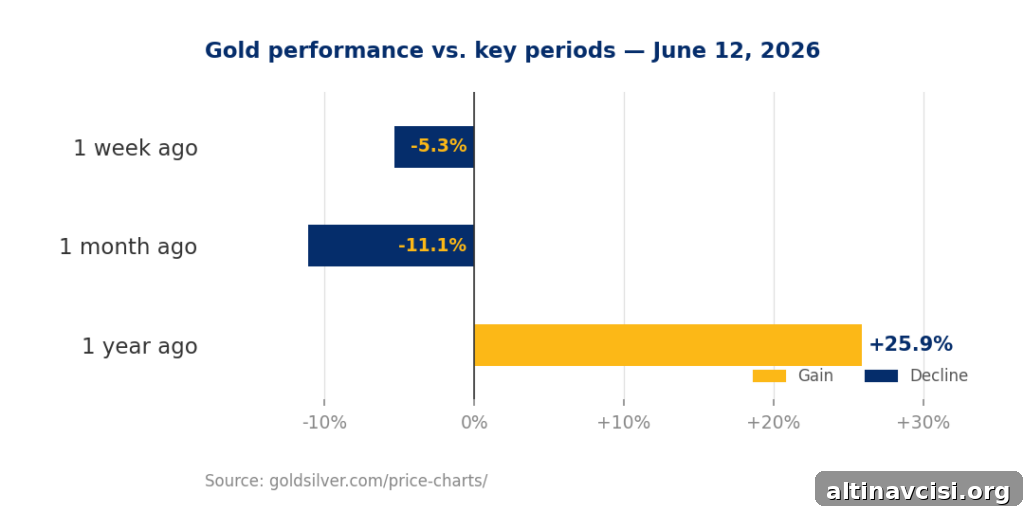
For perspective, gold was still up about 25.9% year over year as of Friday. The recent drawdown from January’s peak was pronounced, but the long-term drivers that underpinned that rally—persistent deficits, monetary policy trends, and central-bank accumulation—remain in place.
What Is the Silver Price Today, June 12, 2026?
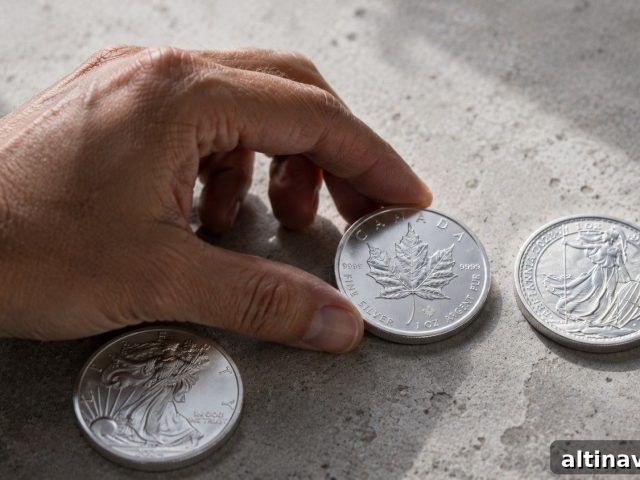
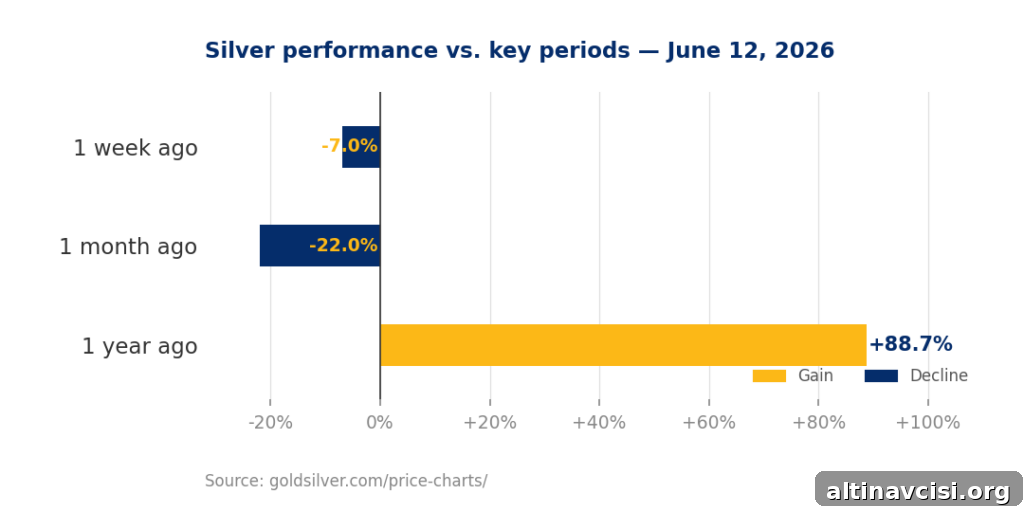
Silver July futures opened Friday around $67.49 per ounce, up about 5.5% from Thursday. By mid-morning silver had eased to roughly $66.91. Silver’s movement mirrored gold’s: an initial relief rally followed by a partial retracement as traders awaited confirmation of the reported deal.
As with gold, caution is warranted. Monitor Iranian behavior during negotiations rather than focusing solely on media headlines.
Does Selling Silver Trigger a Higher Tax Rate Than Stocks?
Yes. Many investors are unaware that the IRS classifies physical silver as a collectible for tax purposes. That classification changes how capital gains are taxed: while most long-term stock gains are taxed at preferential rates (0%, 15%, or 20%), gains on physical silver held more than one year are taxed at ordinary income rates up to a 28% cap.
In practice, investors in lower ordinary-income brackets pay their ordinary rate on silver gains; those in the highest brackets are limited to 28%—still generally higher than the top 20% long-term rate for equities. This is a planning issue rather than a reason to avoid silver: knowing the tax treatment lets investors choose the most efficient ownership structure.
What Are the Terms of the US–Iran Peace Deal?
Iranian state media published a reported 14-point draft agreement that reportedly contains three central elements: a pledge to reopen the Strait of Hormuz within 30 days; a US agreement to lift oil sanctions and unfreeze Iranian funds; and reconstruction proposals from the US and allies totaling at least $300 billion. The draft also suggests that US forces would withdraw from Iran if the terms are finalized.
Reports indicated the deal could be signed soon, possibly in Switzerland, though Iranian officials cautioned that timing and location were unconfirmed. Because the Strait of Hormuz carries a significant share of global oil and LNG trade, any reopening would ease a major supply risk and reduce the energy-driven inflation impulse that has been central to markets this year.
Markets reacted: European equities rose and oil prices fell on the news. Notably, gold’s response was measured—consistent with the metal repricing the prospect of lower real yields if the deal is confirmed, rather than simply celebrating short-term relief.
How Will Kevin Warsh Change How the Fed Communicates?
Kevin Warsh was sworn in as Federal Reserve chair on May 22, 2026. His first FOMC meeting is scheduled for June 16–17. Warsh has suggested the Fed currently communicates too much and risks creating policy errors by telegraphing decisions well in advance. Unlike his predecessor, he has not committed to a press conference after every meeting.
A quieter communication approach matters because Fed guidance shapes market expectations and therefore real yields—the primary short-term driver for gold. If Warsh removes the so-called “easing bias” from the FOMC statement, it would signal a move toward neutrality and influence rate-cut expectations. For long-term gold holders, however, the larger structural drivers—fiscal policy, currency dynamics, and eventual compression of real rates—remain the principal determinants of price over years rather than weeks.
What Should Gold and Silver Investors Watch Next?
Key upcoming milestones:
- June 16–17: Kevin Warsh’s first FOMC meeting. Watch whether the easing bias is removed—its removal would signal a shift toward neutrality and alter rate-cut expectations.
- Oil market confirmation: Track Brent prices over the weekend; a sustained print below $90 would be an early sign the inflation chain is reversing.
- Gold behavior near $4,200: That level acts as immediate support. A confirmed close above $4,250 on validated deal news would suggest the market is moving from pricing hope to pricing reality.
Key Takeaways
- The oil decline is the critical development. The Strait of Hormuz closure drove Brent from roughly $72 to about $96, fed into 4.2% US CPI, and constrained Fed policy—this mechanism was a major reason gold fell 20% from January. Friday’s oil drop begins to reverse that chain.
- Gold and silver both rallied then retraced. August gold opened at $4,234.90 (+3.4%); July silver opened at $67.49 (+5.5%). By mid-morning both had eased as traders awaited confirmation of the reported peace terms.
- Warsh’s June 16–17 FOMC meeting is the next structural signal. A move to neutral language would shape real-yield expectations and, therefore, gold’s short-term opportunity cost over the next 12–18 months.
Stay On Top of Gold & Silver Prices
Get timely market alerts delivered to your inbox.
SOURCES
1. Saxo Bank commentary reported via media coverage discussing Fed communications.
2. UBS Research on commodity and oil price moves related to the Iran conflict.
3. Mehr News Agency — reported terms of a 14-point draft agreement published by Iranian state media (June 12, 2026).
4. US Energy Information Administration — context on Strait of Hormuz oil transit volumes.
5. International Energy Agency — analysis of oil-security risks tied to the strait.
6. House of Commons Library — briefing on US–Iran ceasefire and talks in 2026.
7. Federal Reserve announcements regarding Kevin Warsh’s swearing-in as chair (May 22, 2026).
8. Media reporting on public commentary around Fed policy and related market expectations.
9. Senate Banking Committee — transcripts and testimony from Kevin Warsh’s confirmation hearing (April 21, 2026).
Disclaimer: This article is for informational purposes only and does not constitute financial or investment advice. Always consult a qualified financial adviser before making investment decisions.
You May Also Like:
- Silver Fell 22% in 30 Days. Gold-Silver Ratio Hits 63.
- Every Bearish Catalyst Landed at Once. Gold and Silver Went Up Anyway.
- Gold at Seven-Month Lows: Why Geopolitical Fear Is Not Enough
- Gold Slides to $4,130 as Iran War Turns Inflation Against It
- May CPI Printed 4.2%. Core Inflation Beat. So Why Did the Gold Price Drop?
- Gold Is Down 9%. The CPI Print That Could Either Extend the Drop — or End It.
- Gold Price News: Goldman, China, CPI, and the Fed Explained
- Gold Near $4,330 as Rate-Hike Bets Hit 70% and China Acts
- Gold Is Down 22% — The Same Drop as 2022. The Floor Is Not the Same.
- Silver Falls 6% on Jobs Beat. The Six-Year Deficit Didn’t.
Popular Topics
Picked from the archive
-
01
 Topics
Silver Eagle vs Maple Leaf vs Britannia: Which Has More Silver?
-
02
Topics
Gold, Silver Prices Drop as Central Banks Hold Steady
-
03
Topics
Harvard 51B Endowment Sells Tech, Buys Gold and Crypto
-
04
Topics
Gold Price: What Could Drive It to $6,300?
-
05
Topics
Silver Tops $40 as Gold Hits Record $3,500
-
06
Topics
Bessent Urges 1.5% Rate Cut, Boosting Gold Prices
-
07
Topics
Moody’s: 50% of U.S. Industries Cutting Jobs Amid Recession Risk
-
08
Topics
Silver Price Outlook May 2026: Focus on Trends, Not Numbers