Moody’s: 50% of U.S. Industries Cutting Jobs Amid Recession Risk
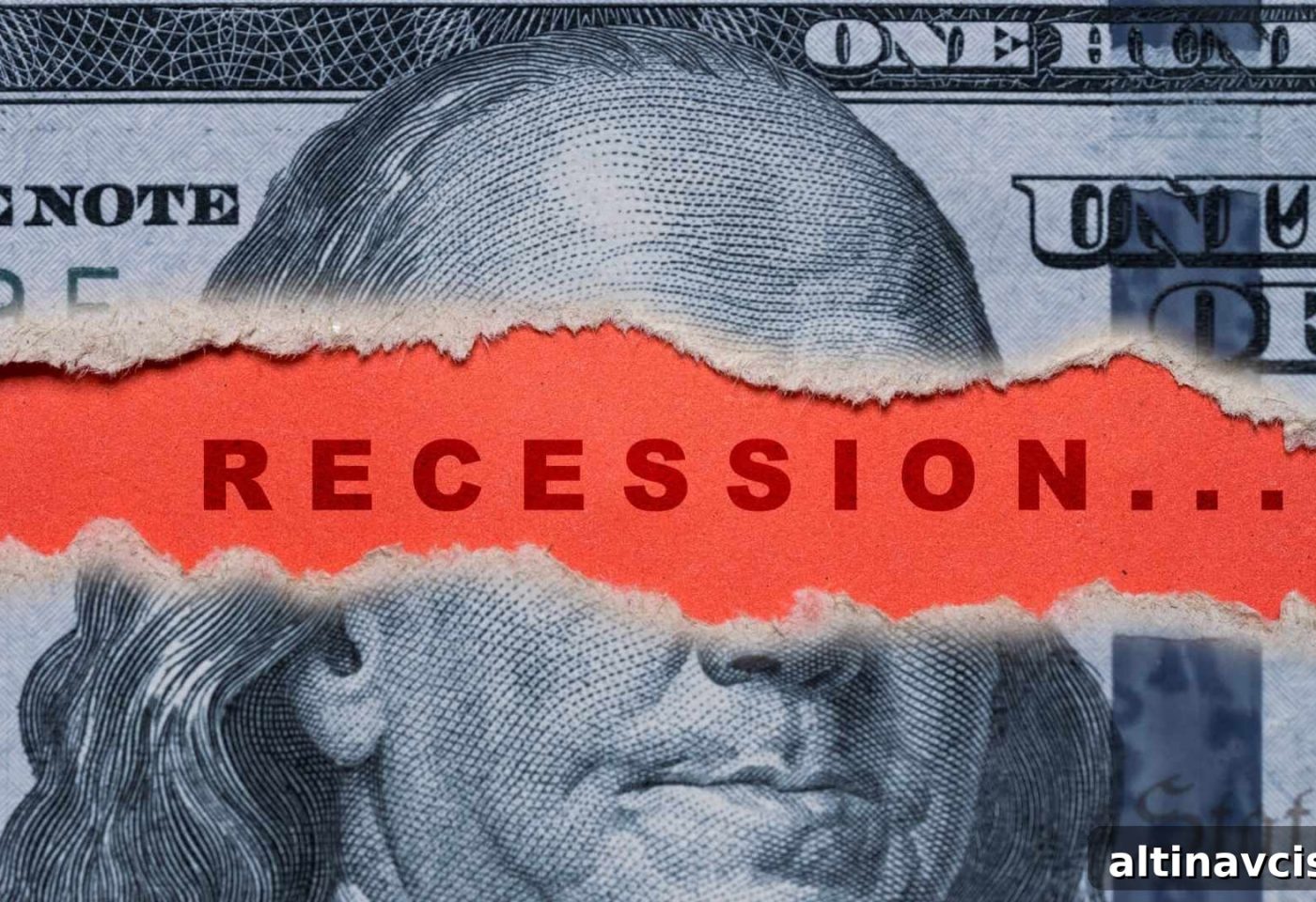
Moody’s Analytics: Two-Thirds of U.S. States Vulnerable as Job Growth Slows
Moody’s Analytics has issued a stark economic assessment: roughly two-thirds of U.S. states are either in recession, at high risk of recession, or simply treading water. That group represents about 66% of America’s gross domestic product (GDP), signaling that a large portion of the national economy is under strain.
Which states are most affected
Chief economist Mark Zandi, leading the analysis at Moody’s Analytics, reports that 22 states are already in trouble. The list includes sizable state economies such as Massachusetts and Washington, underscoring that weakness is not limited to smaller or historically cyclical regions. By contrast, only 16 states are identified as currently expanding.
Rising odds of a national downturn
Moody’s assigns a 49% probability of a recession within the next 12 months, based on current trends and indicators. The analysis suggests the economy could be most vulnerable in late 2025, a timeframe that highlights the potential for risks to materialize over the medium term rather than immediately. For policymakers, businesses, and households, this elevated probability calls for heightened vigilance and contingency planning.
Labor market signals: warning lights flashing
Several labor market red flags accompany the state-level weakness. More than half of U.S. industries are reportedly cutting jobs, a sign that employers across multiple sectors are trimming payrolls or pausing hiring in response to softer demand or rising costs. That breadth of job cuts makes the slowdown broader than a sector-specific pullback.
A significant employment data revision adds to concerns. June’s job growth was recently revised down to just 14,000 new jobs, far below the initially reported 147,000. Such a large downward revision changes the picture of labor-market resilience and suggests underlying momentum in hiring is weaker than previously believed.
Healthcare remains a rare bright spot
Despite the broader slowdown, healthcare stands out as the only sector still delivering meaningful hiring gains. That persistent demand for healthcare workers reflects demographic trends, staffing pressures, and the essential nature of medical and care services. Even so, gains in one sector may not be enough to offset widespread contractions elsewhere in the economy.
Implications for states, businesses, and households
When a large share of state economies are under stress, the consequences ripple through budgets, jobs, and consumer confidence. States facing recessionary conditions may see slower tax revenue growth, putting pressure on public services and prompting difficult budget choices. Businesses operating in affected states may delay investments, reduce hours, or lower hiring plans. For workers, heightened unemployment risk and softer wage growth can reduce purchasing power and increase financial strain for households.
What to watch next
Key indicators to monitor in the coming months include employment revisions and payroll trends, industry-specific hiring patterns, state tax receipts, and consumer spending data. Financial conditions, interest rates, and any abrupt changes in commodity prices or global demand could also alter the outlook. Because Moody’s highlights late 2025 as a period of particular vulnerability, tracking evolutions in these indicators over the next year will be crucial.
Bottom line
The Moody’s Analytics assessment paints a landscape of uneven recovery and growing vulnerability: two-thirds of states accounting for roughly two-thirds of GDP are not firmly expanding, nearly half the probability of a national recession looms over the next year, and broad-based job cuts plus a large employment revision point to weaker labor-market momentum. While healthcare continues to add jobs, the overall picture suggests a cautious posture is warranted for policymakers, employers, and households as they navigate the months ahead.
Popular Topics
Picked from the archive
-
01
 Topics
Harvard 51B Endowment Sells Tech, Buys Gold and Crypto
-
02
Topics
Tariff-Driven Inflation Clouds Fed’s September Rate Decision
-
03
Topics
Investors Flock to Gold Amid Trade Tensions and Weak Jobs Data
-
04
Topics
ETF Inflows Propel Gold Demand to Highest H1 Levels Since 2020
-
05
Topics
Russia Taps $1B Chinese Gold Market Amid Geopolitical Shift
-
06
Topics
Gold Has Matched Stock Returns Since 1971: Why It Matters
-
07
Topics
BIS Warns Fed Faces Impossible Choice as Tariffs Risk Inflation
-
08
Topics
India Gold Demand Drops Further Amid Soaring Asian Prices