Bessent Urges 1.5% Rate Cut, Boosting Gold Prices
Gold Prices Edge Higher as Calls for Fed Rate Cuts Strengthen Market Sentiment
Gold prices held modest gains after U.S. Treasury Secretary Scott Bessent publicly urged the Federal Reserve to reduce interest rates by at least 1.5 percentage points. The comment renewed investor focus on monetary policy and its implications for the precious metal, which often reacts to shifts in interest-rate expectations and real yields.
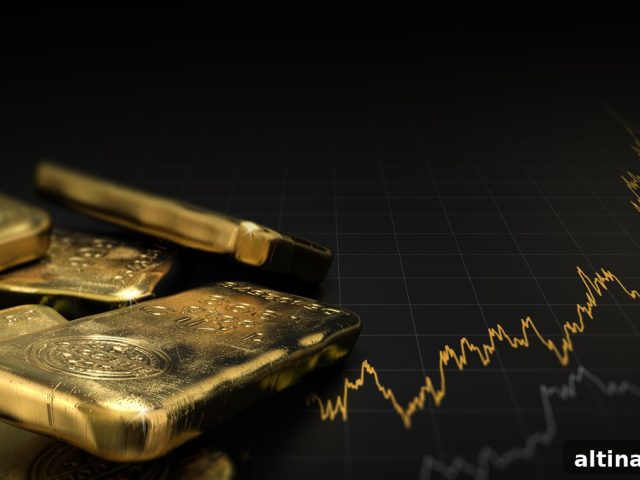
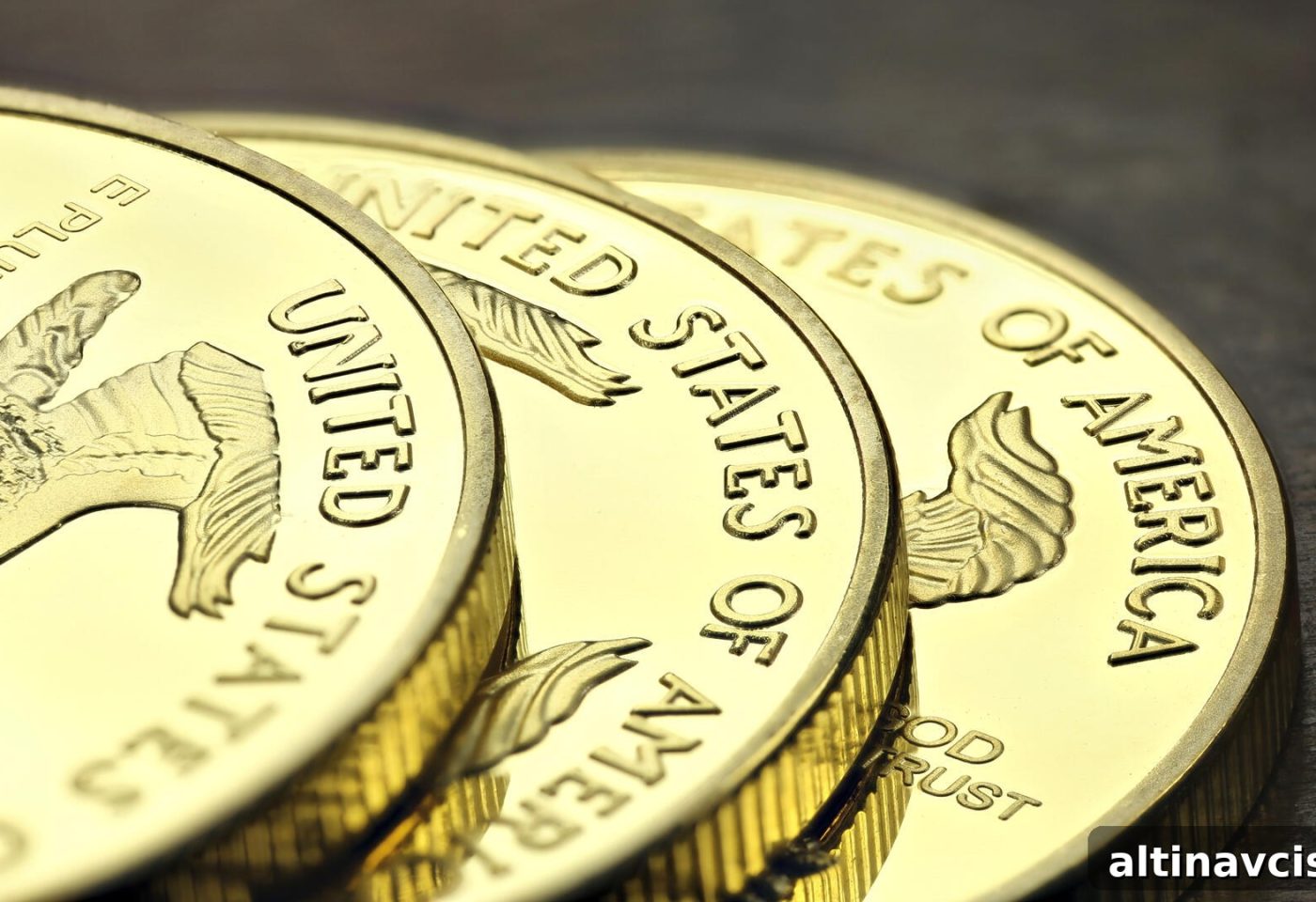
The market response was immediate but contained: gold climbed as much as 0.6% intraday before settling near $3,365 per ounce. That movement reflects a familiar dynamic—lower interest rates tend to reduce the opportunity cost of holding non-yielding assets like gold, making bullion relatively more attractive when bond yields and short-term rates fall.
This year has been particularly strong for gold. The metal has gained roughly 28% year-to-date, a rise underpinned by a mix of geopolitical tensions and steady central bank purchases. Those forces have supported demand across different buyer segments, from official reserve managers to private investors seeking a hedge against uncertainty.
Why Rate Cuts Support Gold
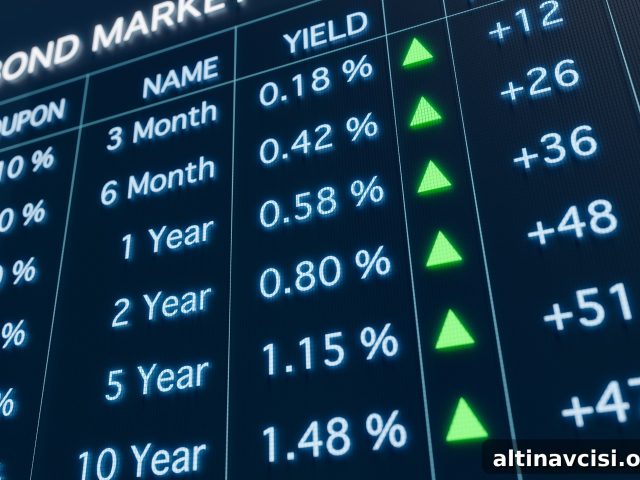
Gold does not pay interest or dividends, so its appeal often increases when interest rates decline. Lower nominal rates and falling real yields reduce the opportunity cost of holding bullion compared with cash or fixed-income instruments. In practical terms, when the returns on bonds and savings drop, investors can favor gold as a store of value and a portfolio diversifier without sacrificing as much potential income.
Beyond direct rate effects, expectations about inflation and currency moves also matter. If market participants believe that rate cuts will stoke inflation or weaken the U.S. dollar, gold can benefit because it is commonly viewed as an inflation hedge and a currency-agnostic asset. As a result, discussions about sizable Fed easing can shift investor positioning toward precious metals.
Demand Drivers: Geopolitics and Central Banks
Geopolitical tensions have been another persistent driver of gold’s advance. Periods of heightened geopolitical risk encourage risk-averse behavior and safe-haven buying, and gold often sees inflows as investors seek protection against market turmoil or uncertainty. Central bank buying has also been a significant supporting factor; many central banks have continued to diversify reserves into gold, adding steady, structural demand to the market.
These combined influences—policy expectations, reserve diversification, and safe-haven flows—create a reinforcing narrative that can sustain upward momentum in gold prices. However, the market is not one-way: changes in central bank communications, stronger-than-expected economic data, or shifts in investor risk appetite can lead to profit-taking or price consolidation.
Outlook and Market Considerations
Investors monitoring gold should watch several key variables: messages from the Federal Reserve and other major central banks, moves in real yields, U.S. dollar strength, and any escalation or easing of geopolitical risks. Short-term price action can be volatile as traders react to headlines and data, while longer-term trends will depend on how policy and global risk factors evolve.
For those considering exposure to gold, it can serve multiple roles—portfolio diversification, an inflation hedge, and a safe-haven asset during turbulent periods. That said, like all investments, it comes with trade-offs and risks, including price fluctuations tied to interest-rate cycles and macroeconomic developments.
In summary, the recent push for significant Fed rate cuts by a senior U.S. Treasury official helped push gold modestly higher, reinforcing the familiar relationships between monetary policy expectations and bullion prices. With gold up roughly 28% this year amid geopolitical uncertainty and central bank demand, market participants remain attentive to policy signals and global developments that will shape the metal’s path forward.
Popular Topics
Picked from the archive
-
01
 Topics
U.S. Jobs Surge Dims Chances of July Fed Rate Cut
-
02
Topics
Trump Imposes 50% Copper Tariff, Global Markets Reeling
-
03
Topics
Tariffs Drive Up Consumer Prices as Inflation Rises
-
04
Topics
Trump’s Big Beautiful Bill Clears House; Senate Vote Looms
-
05
Topics
Treasury Yields Jump After May Inflation Tops Estimates at 2.7%
-
06
Topics
Trump Threatens 100% Tariff on Chips to Revive U.S. Manufacturing
-
07
Topics
When Should You Start a Precious Metals IRA?
-
08
Topics
Cryptocurrency Prices Slide as Investors Exit Risk Assets