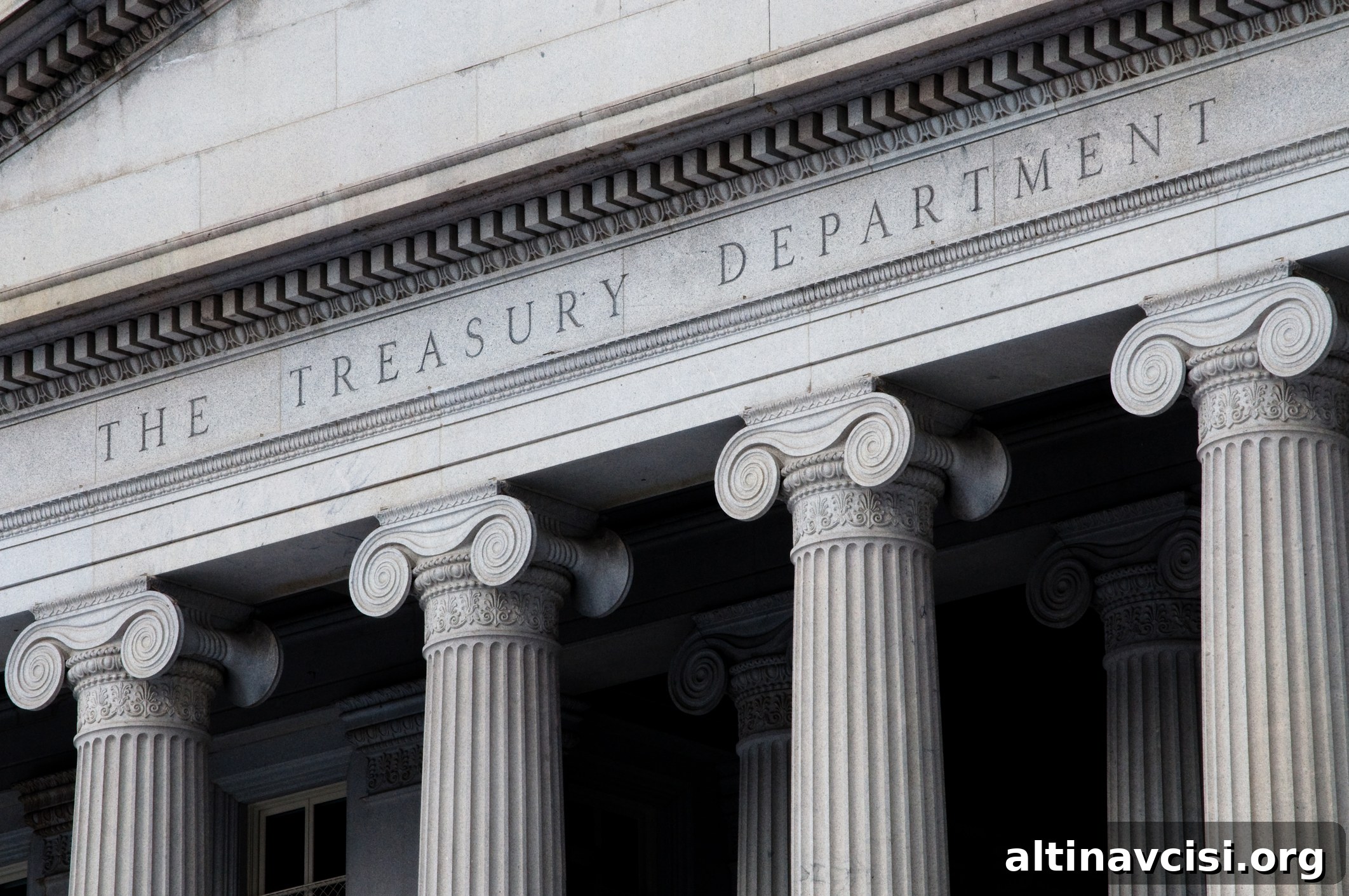
BNY data indicates that foreign investors rapidly sold U.S. Treasury bonds in April 2025 as tariff tensions intensified under President Trump. John Velis, BNY’s Americas macro strategist, said the traditional “haven” status of Treasurys is being questioned, noting that the week ending April 11 saw one of the largest foreign selloffs in years.
The White House defends its tariff moves as measures to combat fentanyl trafficking, address immigration concerns and bolster domestic manufacturing. Still, the United States depends heavily on foreign buyers to finance its budget deficit. Foreign ownership of Treasury securities has declined from roughly 50% in 2008 to about 30% today, leaving the market more exposed when large holders reduce their positions.
The selloff picked up pace after President Trump announced substantial “reciprocal” tariffs on April 2, a policy later partially paused for 90 days. Even with that pause, uncertainty around trade policy and geopolitical tensions is prompting some overseas investors to trim Treasury holdings. Continued foreign selling could push U.S. borrowing costs higher, increasing interest expenses for the federal government and raising borrowing rates for American businesses and consumers.
Rising yields on Treasurys would also ripple through financial markets, affecting mortgage rates, corporate borrowing and valuations for interest-sensitive assets. Policy makers face a difficult balance: pursuing trade and national security goals while ensuring stable financing conditions. Market participants will be watching closely for signs of sustained foreign demand or further withdrawals, which could influence the Federal Reserve’s outlook and broader financial stability.
In the near term, volatility may continue as investors reassess the risk-reward profile of U.S. government debt. For policymakers and market watchers alike, the developments highlight how trade policy and international capital flows are tightly linked to funding costs and economic resilience.