Fed Split on Rate Hike as 45% of Central Banks Buy Gold

In today’s update: Nine of 18 Fed officials now project a rate hike, the dollar reached a 13-month high, and silver moved 6.6% in a single session — yet a record 45% of central banks told the World Gold Council they plan to increase gold reserves. Below: what a Fed rate-hike signal actually does to gold, and why the structural demand floor remains intact.
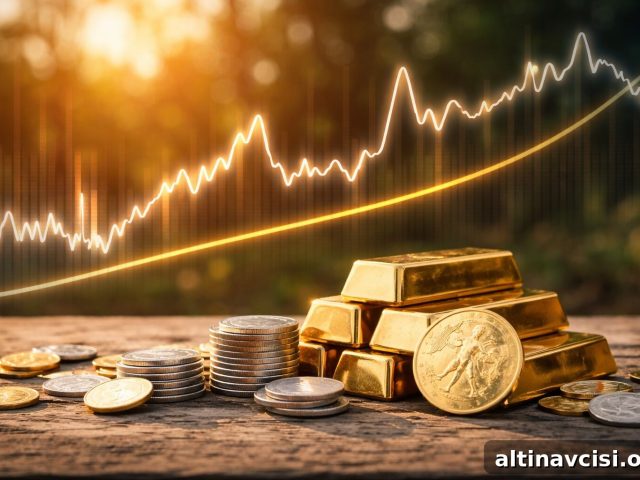
Over 72 hours this week, three of the world’s four major central banks either held rates steady or raised them. The U.S. dollar climbed to a 13-month high and silver experienced one of its sharpest single-session moves in weeks. Those moves put real short-term pressure on gold and silver. The basic transmission is familiar: rising yields, a stronger dollar, and a higher opportunity cost for holding non-yielding metals. Underneath that short-term dynamic, however, the longer-term picture remains driven by structural demand and reserve strategy.
Warsh’s First FOMC: Hold, But Half the Committee Wants a Hike
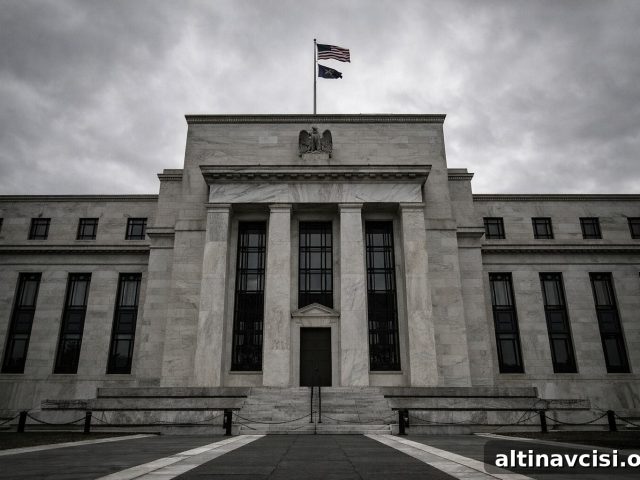
On June 17 the Federal Reserve left its policy rate unchanged at 3.50%–3.75%, marking the fourth consecutive hold. The most notable development was the dot plot: nine of 18 Federal Open Market Committee members now expect at least one rate increase before year-end, and six see multiple hikes. The median year-end policy rate rose to 3.8% from the March projection of 3.4%. The Fed also raised its PCE inflation estimate to 3.6% from 2.7% in March. New Fed Chair Kevin Warsh removed forward guidance from the policy statement and did not provide his own rate projection. Two-year Treasury yields jumped, reflecting the shift in expectations, and gold fell roughly 2% on the day. For investors, the immediate mechanism is straightforward: higher expected rates tend to strengthen the dollar and raise the opportunity cost of holding non-yielding assets such as gold. At the same time, persistent inflation above the Fed’s 2% target reinforces the long-term rationale for owning physical metal.
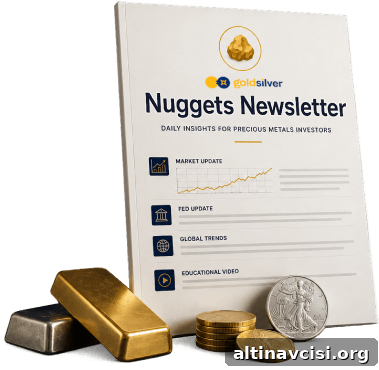
The Edge Every Investor Needs
Smarter precious metals investing starts here. The Nuggets Newsletter delivers timely market commentary, Fed updates, global reserve trends, and educational insights.
Record 45% of Central Banks Plan to Grow Their Gold Reserves
The World Gold Council’s 2026 Central Bank Gold Reserves Survey, published June 16, found that 45% of reserve managers expect to increase their institution’s gold holdings over the next 12 months — the highest proportion since the survey began in 2018. Nearly nine in ten central banks believe global central bank gold holdings will rise over the same period, while only a tiny share expect a decline. Over the past four years, central banks have added roughly 1,000 tonnes of gold per year on average, about double the pace of the previous decade. Many reserve managers also expect their dollar allocation to fall and gold’s share to rise over a multi-year horizon. These are deliberate, long-term reserve shifts by the world’s largest and most price-insensitive buyers; short-term rate moves do not fundamentally alter those strategies.
Silver Dropped 6.6% on the Fed, Then Recovered 4.5% — That Gap Matters
London silver bullion fell 6.6% immediately after the hawkish FOMC signals, then rebounded up to 4.5% to reach $69.83 per ounce on June 18. Silver tends to move more violently than gold because it carries both monetary and industrial demand. Rising yields hit both channels, amplifying swings. The rapid recovery after a steep selloff suggests that downside liquidity was exhausted quickly — a technical sign that sellers had limited metal to unload, rather than a sudden change in long-term fundamentals. Geopolitical developments, such as the recent Iran peace deal, removed some inflationary pressure. What remains is a rate-hike risk that now drives short-term price action; only the catalyst has shifted.
The Dollar Hit a 13-Month High — What That Means for Gold
The U.S. Dollar Index rose to 100.72 on June 18, its highest level since May 2025, after a nearly 1% jump following the Fed’s decision. A stronger dollar is gold’s most immediate short-term headwind because gold is priced in dollars worldwide: as the dollar strengthens, gold becomes more expensive for buyers using other currencies, which reduces demand at the margin. That mechanism contributed to roughly a $135 pullback from the recent peace-deal peaks. Current market pricing now implies a Fed rate hike by October, with year-end funds-rate expectations roughly 50 basis points above the Fed’s start-of-year projection. Still, the structural demand picture remains strong: central bank buying and quarterly net purchases measured in the hundreds of tonnes support a durable floor beneath prices.
Three Central Banks Met This Week — All Held and All Are Watching Inflation
This week’s Bank of England decision completed a series of major central bank meetings. The BoE voted 7–2 on June 18 to keep Bank Rate at 3.75%, with two members favoring an immediate hike to 4.0%. Officials warned that second-round wage and price effects remain a risk, even as energy costs have eased from prior highs. These comments follow the Fed’s hawkish message and the European Central Bank’s 25-basis-point increase on June 11 — the ECB’s first hike since 2023. Taken together, three of the world’s major central banks now indicate rates will be higher or stay higher for longer. Higher real yields raise the opportunity cost of holding precious metals in the near term, but central bank purchasing programs continue independently of short-term rate cycles.
The Rate Cycle Creates Headwinds — It Doesn’t Remove the Structural Floor
In the short term, the Fed–gold relationship is real: rising yields and a stronger dollar pressure metal prices. However, the structural foundations supporting gold were built over years and are unlikely to vanish because of a single Fed meeting. Central banks are buying gold in record volumes, reserve managers are shifting allocations away from the dollar and toward bullion, and nearly half of those surveyed plan to increase gold holdings in the coming year. For long-term investors, this week’s volatility is not evidence that the investment thesis has changed. It simply defines where a potential entry point or tactical buying opportunity might appear.
Stay On Top of Gold & Silver Prices
Get important market alerts sent straight to your inbox.
SOURCES
1. Federal Reserve — FOMC Statement, June 17, 2026
2. Federal Reserve — Summary of Economic Projections, June 17, 2026
3. World Gold Council — 2026 Central Bank Gold Reserves Survey
4. World Gold Council — Gold Demand Trends Q1 2026
5. LBMA — Precious Metal Prices
6. CME Group — FedWatch Tool
7. Bank of England — Monetary Policy Summary and Minutes, June 18, 2026
8. European Central Bank — Monetary Policy Decisions, June 11, 2026
Disclaimer: This article is for informational purposes only and does not constitute financial or investment advice. Always consult a qualified financial adviser before making investment decisions.
You May Also Like:
- Silver Hit $69.85 This Morning. Then the FOMC Took It All Back.
- The Fed Went Silent. Gold Holders Don’t Need It to Speak.
- Five Signals That Say Gold’s Correction Is a Reset, Not a Reversal
- The Fed Just Killed Its Rate Roadmap. Here’s What That Means for Gold.
- Gold Holds at $4,347 While Stocks Hit All-Time Highs. Here’s Why.
- Why Is Silver Up Today? The Iran Deal Changed the Fed Math
- Gold Up 3%, Silver Up 4.7%: Five Forces Driving Metals Higher Today
- Iran Peace Deal Sends Oil Down 5%, Gold Up 3%
Popular Topics
Picked from the archive
-
01
 Topics
What the Fed’s 3-Day Silence Means for Gold Prices
-
02
Topics
Gold Jumps to $4,746 as Oil Crashes: Why Investors Are Bullish
-
03
Topics
How Government Debt Drives Gold and Silver Prices
-
04
Topics
Can Gold Hold at $4,300? Price Outlook for Investors
-
05
Topics
Why Gold and Oil Move Opposite and What It Means for Investors
-
06
Topics
Gold and Silver Prices: Short-Term Volatility, Long-Term Trend
-
07
Topics
Wholesale Prices Jump Most in 3 Years as Tariffs Hurt US Economy
-
08
Topics
Why Silver Jumped 6% Before Trump Xi Summit