Fed May Cut Rates After Encouraging Inflation Report
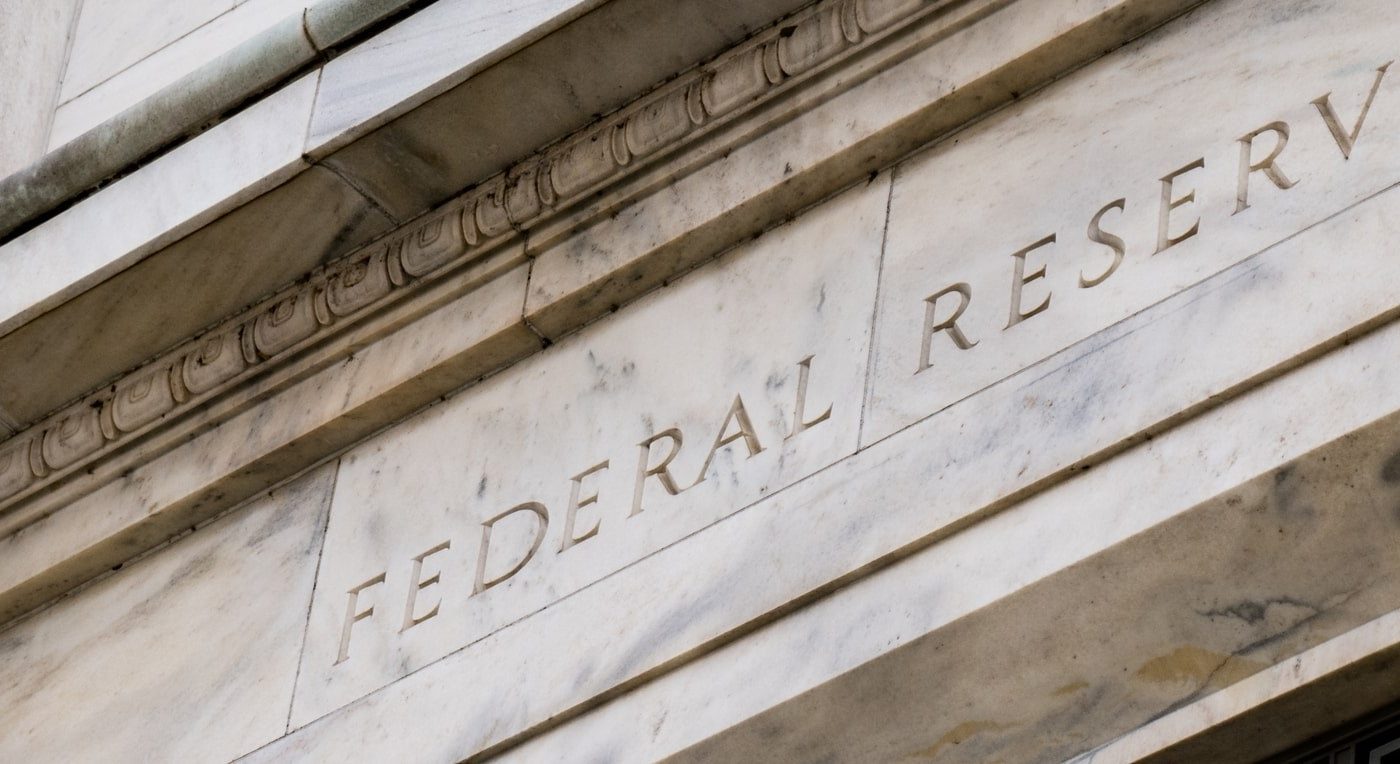
Federal Reserve Likely to Begin Interest Rate Cuts as Inflation Eases and Labor Market Softens
Recent economic reports strengthen the case for the Federal Reserve to begin trimming interest rates as early as September. Two important trends emerged from the latest data: inflation appears to be moderating toward the Fed’s 2% goal, and conditions in the labor market are showing signs of weakening. These developments are prompting market participants and economists to reassess the timing and scale of monetary easing.
Inflation Trends: Producer Prices and Core Measures
The Producer Price Index (PPI) rose 2.6% year-over-year in May, a figure that supports the view that inflationary pressures are cooling compared with earlier periods. Alongside the headline PPI reading, estimates indicate that core inflation—which strips out volatile components such as food and energy—likely increased by only 0.12% month-over-month. Core inflation is closely watched because it provides a clearer signal of underlying price dynamics that are less subject to short-term swings.
Slowing inflation toward the Fed’s 2% target reduces pressure on policymakers to maintain restrictive policy for longer. If core inflation continues to trend modestly, it increases the chances that the central bank will view price pressures as manageable, which would justify a shift from pausing rate hikes to implementing rate cuts.
Labor Market Signals: Jobless Claims and Continued Claims
On the employment front, initial jobless claims held steady at 248,000, suggesting that layoffs are not spiking sharply. However, continuing claims—the count of people receiving unemployment benefits over longer periods—jumped to 1.951 million, the highest level since November 2021. That divergence between stable new claims and rising continuing claims suggests some workers are facing greater difficulty finding new positions, which points to a softening labor market even if headline employment metrics remain relatively firm.
A weakening labor market can reduce wage pressures and ease demand-driven inflation, giving the Fed more room to lower rates without risking immediate overheating. At the same time, a softer job market raises concerns about household income and consumer spending, which policymakers need to weigh carefully when planning the pace and timing of any rate reductions.
Policy Outlook: Timing and Risks
Given the current mix of moderating inflation and signs of labor-market softness, the Fed is widely expected to hold rates steady at its June meeting. Market expectations point to quarter-point rate cuts in September and October, contingent on continued evidence that inflation is moving closer to target and that economic growth remains stable. These anticipated reductions would be designed to support economic activity while keeping inflation trends on track.
However, risks remain. Economists caution that new trade measures, such as potential tariffs introduced by the Trump administration, could rekindle inflationary pressures later in the year. Tariffs and other policy changes that raise import costs have the potential to increase consumer prices, which would complicate the Fed’s path to easing. Policymakers will likely monitor incoming data closely and remain prepared to adjust their plans if inflationary pressures reemerge.
Implications for Markets and Households
Expectations of Fed rate cuts typically influence financial markets and borrowing costs. If the Fed follows through with modest reductions, it may lower short-term borrowing rates over time, which can ease interest rates on consumer loans and mortgages. That said, the Fed’s decisions will be data-dependent: any reversal in inflation trends or a renewed uptick in labor-market strength could delay or scale back planned easing.
For households and businesses, the evolving outlook underscores the importance of watching monthly inflation readings and labor-market reports. Continued progress toward the Fed’s 2% inflation target would support the case for rate cuts, while any sizable policy shocks or supply-side developments could alter that trajectory. Policymakers face the ongoing challenge of balancing price stability with maximum employment as they navigate these uncertain conditions.
In summary, recent data showing a cooling in inflation metrics and signs of labor-market softness have increased expectations that the Federal Reserve may begin reducing interest rates in the fall. The outlook remains conditional on incoming economic reports and geopolitical or policy developments that could affect price trends later in the year.
Popular Topics
Picked from the archive
-
01
 Topics
S&P 500’s 20-Year Winning Streak Eases Recession Fears
-
02
Topics
Gold Prices Rise on Trade Tensions and Currency Moves
-
03
Topics
US Gives Global Partners Five-Week Deadline for Trade Proposals
-
04
Topics
Record Gold Rally: Trading Data Shows Banks Flipping Positions
-
05
Topics
CBO Warns: Trump Tax Plan Could Add $2.4T to US Deficit
-
06
Topics
Gold Price Holds Near $3,180 as Markets Brace for U.S. Data
-
07
Topics
Gold Falls as Trade Tensions Ease Despite Monthly Gains
-
08
Topics
Gold Falls to 3,300 as Strong Dollar, Inflation Hits Markets