Gold Prices Hold Near $4,000 as Oil Eases Ahead of Fed Week
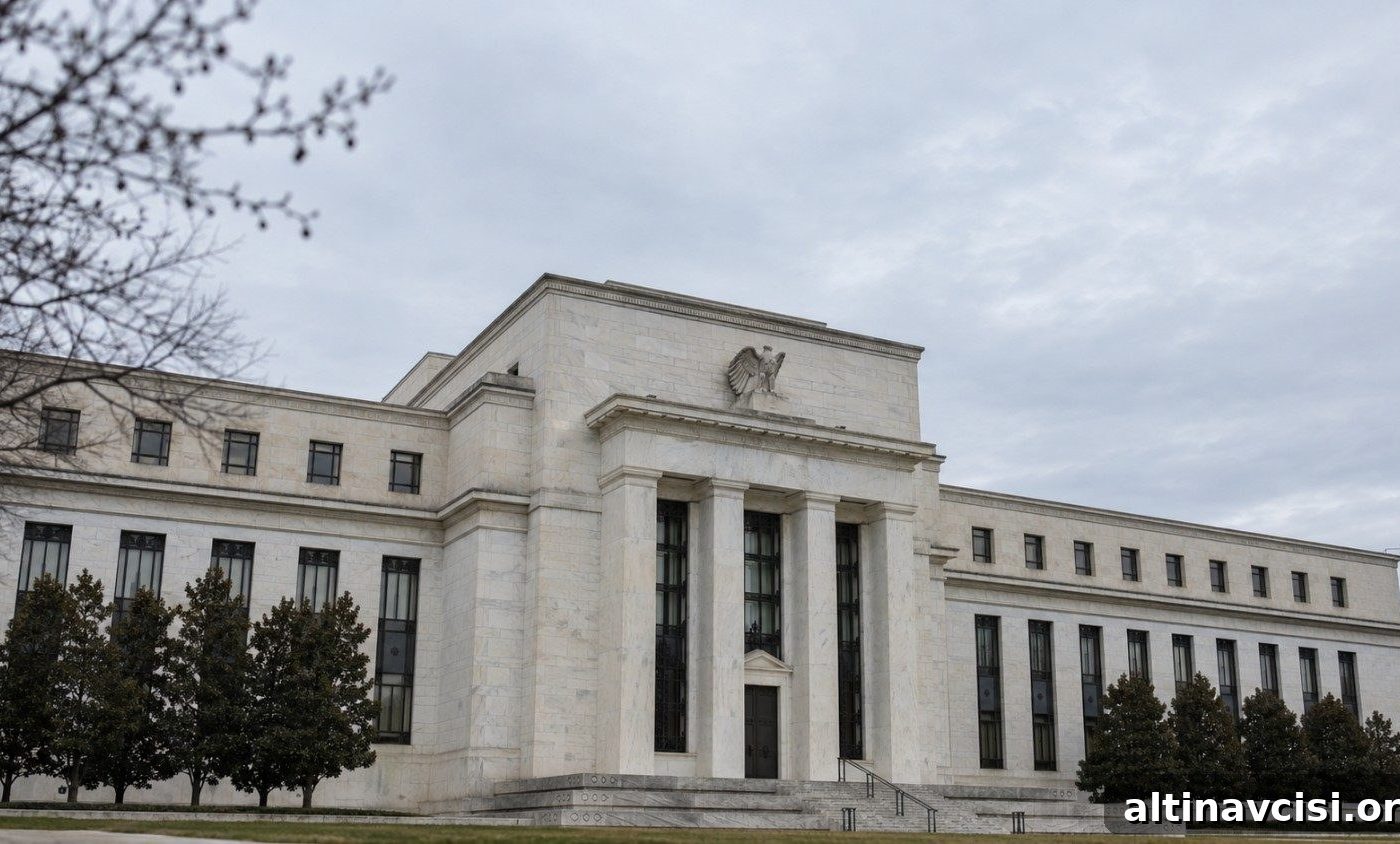
Gold remains just above $4,000 an ounce this Monday, a modest recovery after last week’s drop to the weakest level since mid‑July. The metal has caught a bit of relief as oil prices retreat, easing some near‑term inflation concerns. That easing arrived ahead of the Federal Reserve’s two‑day policy meeting that begins Tuesday. Silver is lagging behind gold: it has surrendered an early gain and trailed gold into the Fed decision, pushing the gold‑silver ratio to multi‑month highs.
Why Is Gold Holding Near $4,000 Today?
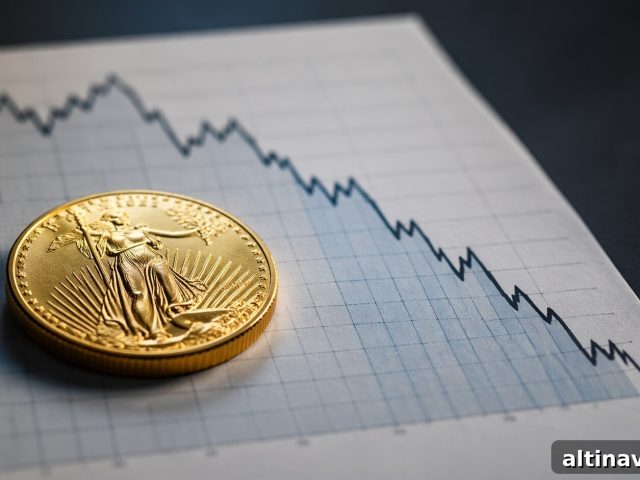
Gold is trading around the psychologically important $4,000 an ounce mark after dipping to roughly $3,975 last week. That previous low represented gold’s weakest point since mid‑July, so the current level functions more as a tested support than a full trend reversal. Price levels like $4,000 matter because they become reliable support only when buyers consistently step in around them. Following last week’s test, buyers have shown enough interest to hold the metal just above that round number for now.
This bounce is cautious: it signals short‑term stabilization rather than a new bullish leg. Traders watch not only spot levels but also the broader drivers — inflation expectations, real yields, and central bank messaging — that determine whether gold can build on this support. For investors, the immediate question is whether this support endures through the Fed’s policy update and the busy central bank calendar that follows.

The Edge Every Investor Needs
Smarter precious metals investing starts here. The Nuggets Newsletter delivers concise market insight, Fed updates, global trends, and educational resources to help you track gold and silver price action.
Why Is Oil Pulling Gold Off Its Lows?
Oil prices have eased from recent highs as markets factor in diplomatic efforts to reduce tensions in the Middle East. That decline is the clearest immediate reason gold found support this morning. The transmission from oil to gold works primarily through inflation expectations: lower oil reduces near‑term inflation pressures, which tempers upward pressure on real yields. Real yields — the inflation‑adjusted return on bonds — are a major determinant of bullion demand because gold does not pay interest. When oil rises, real yields often increase, which can weigh on gold; when oil eases, that pressure can relax.
Even with recent moves, gold still buys more oil per ounce than it did a year ago: the long‑term relationship between gold and energy prices remains a useful perspective when assessing short‑term volatility. In other words, today’s wobble is meaningful for traders but small relative to the broader multi‑month trend in gold priced against commodities.
What’s at Stake for Gold at This Week’s Fed Meeting?
The Federal Reserve meets Tuesday and Wednesday. Most market strategists expect the Fed to hold policy steady, making an unchanged stance the baseline scenario. If policymakers pause, the next meaningful decision on rates shifts to December. That outcome would likely support precious metals modestly because it reduces the near‑term probability of tighter policy.
For gold specifically, the critical task this week is to confirm support at the $4,000 level rather than simply rely on it. The dollar is modestly softer, trading in the low 101–102 range, which offers a small tailwind for dollar‑priced commodities like gold. Adding to the complexity, several other central banks announce policy this week: the Bank of Canada and the Reserve Bank of New Zealand act on the same day as the Fed, the European Central Bank meets shortly after, and the Bank of Japan follows. That dense calendar increases the potential for cross‑currents and amplified price moves in gold and silver.
Why Is Silver Underperforming Gold Right Now?
The gold‑silver ratio climbed to 74.33 on Monday from 74.12 on Friday, reflecting silver’s weaker performance. Silver behaves like a higher‑beta version of gold because it serves both monetary and industrial roles. That dual role amplifies moves: when macro or rate‑sensitive news pushes markets, silver tends to fall faster on the downside and rise faster on the upside.
In a cautious, pre‑Fed environment, a rising gold‑silver ratio usually means silver is giving back more of its gains than gold on the same headlines. It does not necessarily imply that silver’s industrial demand has deteriorated. Short‑term Fed expectations will continue to drive price shifts, but the longer, structural drivers for both metals — monetary policy, inflation trends, and industrial demand for silver — evolve more slowly.
Stay On Top of Gold & Silver Prices
Get important market alerts sent straight to your inbox.
SOURCES
1. FXStreet — Gold Consolidates Near $4,000 as Recovery Remains Fragile Ahead of Fed Decision
2. Bloomberg — Gold Falls to July Low as Inflation Concerns Weigh Before Fed
3. Central Banking — Federal Reserve Delivers First Rate Hike Since 2023
Disclaimer: This article is for informational purposes only and does not constitute investment advice. Past performance is not indicative of future results. Always consult a qualified financial advisor before making investment decisions.
You May Also Like:
- Russia Is Selling Gold: Why That’s Not Bearish
- Gold Silver Ratio Today: Why Silver Is Falling Faster
- Gold Priced in Oil: 38 Barrels an Ounce vs. 67 a Year Ago
- Social Security’s 3.6% Raise Arrives Late by Design
- How Gold’s Correction Impacted Portfolios
- Central Bank Gold Buying: Why 39 Tonnes Matters
- Investors Turn to Treasuries as AI Stocks Slide
- London Gold Vault Holdings Rose 3.78% in Q3. What Changed?
- Gold Rebounds Above $4,130: What Changed for Owners?
- How 3.7% Inflation Impacts Wealth Preservation
Popular Topics
Picked from the archive
-
01
 Topics
Why Investors Choose the Vienna Philharmonic Gold Coin
-
02
Topics
Stablecoin Issuer Outspent Central Banks on Gold Last Year
-
03
Topics
Why Gold Prices Are Falling Amid the Oil War
-
04
Topics
How to Buy Gold in 2026: Step-by-Step Guide for Beginners
-
05
Topics
Silver Appears Weak, Silver-to-Gold Ratio Signals Accumulation
-
06
Topics
Why Gold Prices Are Falling: What Most Investors Get Wrong
-
07
Topics
Should You Still Hold Gold in Your Portfolio?
-
08
Topics
Gold Bars vs Jewelry: Why Investors Choose Bullion