How Russia’s Gold Sales Help Investors
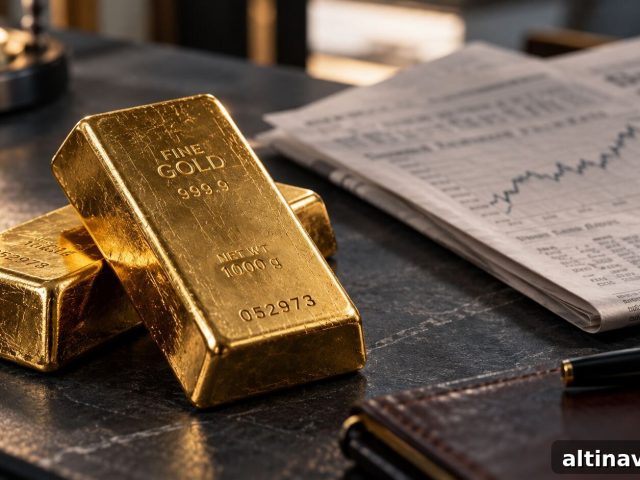
Russia has now sold gold for the tenth consecutive month. At first glance, that might look like bad news for gold holders — particularly with both gold and silver prices down this week. But the sequence of events and the reasons behind Moscow’s actions tell a more nuanced story. Rather than undermining the case for holding gold, Russia’s behavior actually highlights the metal’s role as a last-resort asset and reinforces why long-term investors include it in portfolios.
Why Is Russia Selling Its Gold Reserves?
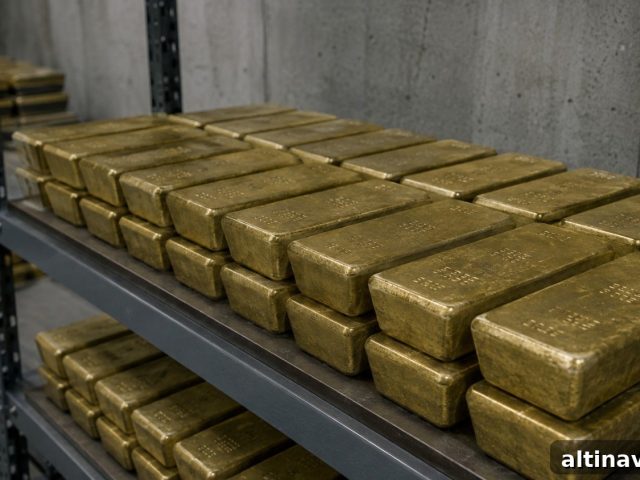
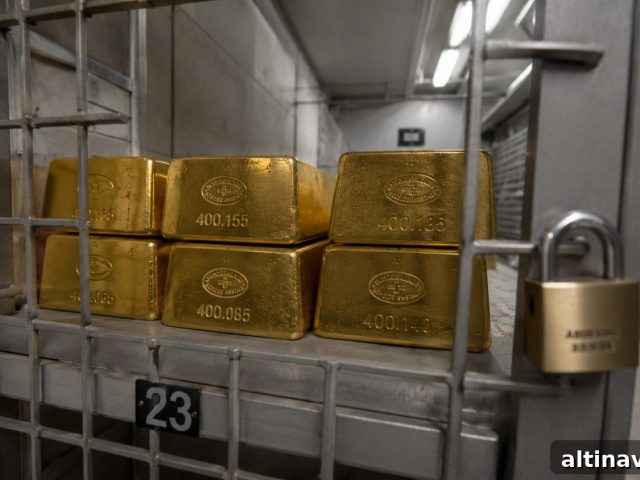
According to central bank data reported by Reuters and The Moscow Times, the Bank of Russia sold roughly 6.2 tonnes of gold in September. That reduced official reserves to about 72.8 million troy ounces — approximately 2,264 tonnes — the lowest level since late 2019. From December through September, Russia has drawn down about 62 tonnes in total, marking its largest continuous reduction of gold reserves since the 1998 financial crisis.
The cause is straightforward: fiscal pressure. Russia’s 2026 budget deficit is now projected at 7.3 trillion rubles, almost double initial targets. Military spending accounts for nearly 38% of federal expenditures, while weaker oil and gas revenues have widened the shortfall. As a result, the value of Russia’s foreign reserves declined sharply in a short period, dropping from roughly $333.5 billion to about $301.6 billion in a single month. Selling gold has become one of the tools used to fill the budget gap.

The Edge Every Investor Needs
Smarter precious metals investing starts here. The Nuggets Newsletter brings essential market insights, Fed updates, global trends, educational videos, and much more.
Does This Mean Central Banks Are Done Buying Gold?
No. Russia’s selling is an exception, not a reversal of the broader trend. Central banks globally have been net buyers of gold in recent years: purchases reached a record of about 1,136 tonnes in 2022 and remained elevated at roughly 1,050 tonnes in 2023. Those totals are well above long-term historical averages and reflect a deliberate strategy by many monetary authorities to increase gold holdings.
There is a wide difference in how central banks store foreign reserves: many advanced economies like the United States, Germany and France keep a large share of reserves in gold — often 60% to 70% — while many emerging-market central banks hold a much smaller percentage, commonly in the 5% to 10% range. Russia’s recent drawdown closes that gap a little, but it doesn’t change the larger pattern of central-bank accumulation.
Importantly, the reason central banks favor gold is often not price appreciation alone but risk characteristics. In a recent survey by the World Gold Council, about 71% of respondents cited “no default risk” as a primary reason to hold gold. Russia’s decision to tap its gold reserves under fiscal stress actually underscores that property: gold held outside the banking system is free from counterparty obligations and sovereign credit events in other jurisdictions.
What Does Russia’s Sell-Down Actually Prove About Gold?
Russia’s foreign-currency reserves have been constrained by Western sanctions since 2022, and the economy has faced weaker energy revenues alongside currency pressure. In that context, gold became one of the last expendable assets. That sequencing matters: a nation typically liquidates more liquid or fungible assets first. When a government turns to gold, it often means other, easier options have already been exhausted.
Gold’s value as a non‑counterparty asset is demonstrated here. Physical gold held outside the banking system does not rely on a bank’s balance sheet, a bond issuer, or a foreign government’s solvency. It cannot be defaulted on in the same way a creditor can default. Selling gold under duress therefore highlights, rather than disproves, gold’s unique role as a reserve asset that governments and private savers turn to when other resources are depleted.
Should This Change Your Own Gold Allocation?
The takeaway is not a tactical call to buy or sell based on headlines. Instead, it’s a reminder of why investors include gold in a balanced portfolio. Gold is not primarily a short-term trading instrument for many long-term holders; it’s an insurance policy — a store of value meant to retain purchasing power when other institutions or markets are under stress.
If your allocation to gold is based on the idea of protection against systemic risk, Russia’s actions reinforce that rationale. Physical gold held outside the banking system offers direct counterparty independence. It’s exactly the asset you might rely on when liquidity becomes constrained or when other financial claims become uncertain. That makes gold a strategic, rather than purely speculative, component of many long-term portfolios.
Ultimately, personal allocation decisions should reflect individual goals, risk tolerance and time horizon. Headlines about one country’s reserve management are useful context, but they are only one factor among many when deciding how much gold to hold as part of a diversified strategy.
Stay On Top of Gold & Silver Prices
Get important market alerts sent straight to your inbox.
SOURCES
1. Reuters (via see.news) – Russia Sells Gold for 10th Month, Reserves at 2019 Low – October 20, 2026
2. The Moscow Times – Russia’s Gold Reserves Fall to Lowest Since 2019 as Budget Deficit Widens – October 20, 2026
3. World Gold Council – Central Bank Gold Survey and central bank purchase data
4. goldsilver.com – Gold Price Chart – October 23, 2026
5. goldsilver.com – Silver Price Chart – October 23, 2026
Disclaimer: This article is for informational purposes only and does not constitute investment advice. Past performance is not indicative of future results. Consult a qualified financial advisor before making investment decisions.
You May Also Like:
- Gold Silver Ratio Today: Why Silver Is Falling Faster
- Gold Priced in Oil: 38 Barrels an Ounce vs. 67 a Year Ago
- Social Security’s 3.6% Raise Arrives Late by Design
- How Gold’s Correction Impacted Portfolios
- Central Bank Gold Buying: Why 39 Tonnes Matters
- Investors Turn to Treasuries as AI Stocks Slide
- London Gold Vault Holdings Rose 3.78% in Q3. What Changed?
- Gold Rebounds Above $4,130: What Changed for Owners?
- How 3.7% Inflation Impacts Wealth Preservation
- Gold and Silver Dip on a Hot CPI Report
Popular Topics
Picked from the archive
-
01
 Topics
Gold Surges Past $4,130: What It Means for Investors
-
02
Topics
Why Gold Rallyed Despite Lower Jobless Claims: 4 Key Signals
-
03
Topics
U.S. Sanctions Target Iran’s Gold Sector, Prices Slide
-
04
Topics
Fed Printed 7 Trillion: Why Money Velocity Is Rising
-
05
Topics
Gold Market Split: Short-Term Sellers vs Long-Term Buyers
-
06
Topics
Gold Drops 19%: $3.8B Investor Bet Says It Won’t Matter
-
07
Topics
300 Billion Lesson: What Frozen Reserves Revealed About Gold
-
08
Topics
Which Gold Coins and Bars Are IRA Eligible