Why Gold Fell 1.62% Today While Miners Didn’t: The Math
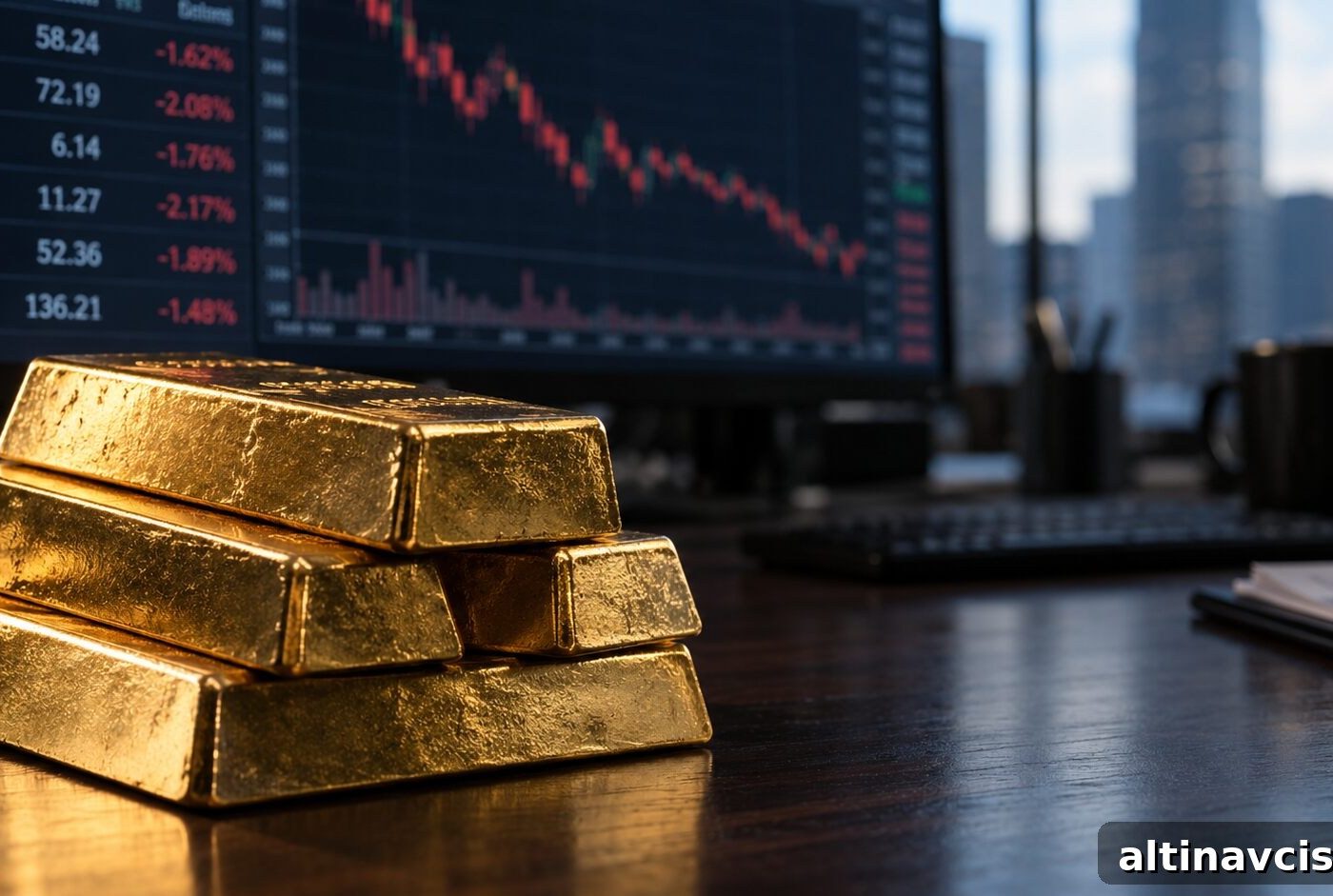
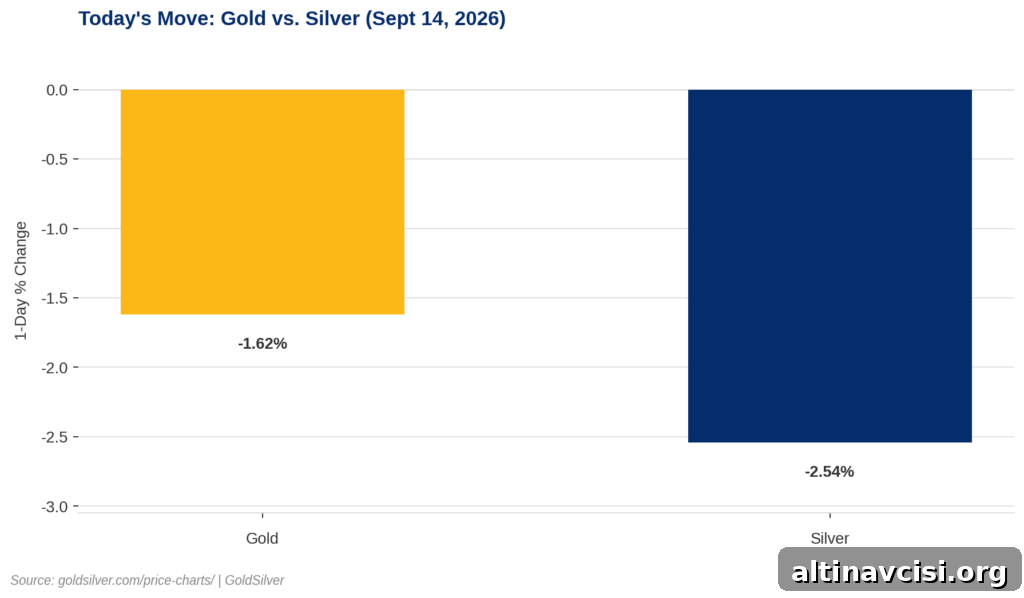
Gold fell to $4,278.25 an ounce today, down 1.62%, while silver dropped 2.54% to $62.96. The immediate catalyst was the same market-wide shock: weekend attacks on Saudi oil infrastructure and shipping in the Strait of Hormuz pushed oil prices sharply higher. That supply shock, in turn, repriced interest-rate expectations. According to CME’s FedWatch tool, traders now put the odds of a Fed rate hike this week at 86.5%, up from 69.4% on Friday.
Those moves hit bullion. But if you watch gold mining stocks rather than the metal itself, you may notice they did not always fall in lockstep with bullion. During a comparable sell-off on September 11—also driven by a sudden repricing of rate-hike odds—Newmont fell less than 2% while Agnico Eagle slipped nearly 3%, per Mining.com. Silver suffered a larger decline that session, while some miners absorbed only a portion of the drop. Why the difference?
Do gold mining stocks really provide leveraged exposure to gold?
The textbook answer is yes: when the gold price rises, a miner’s profit typically rises by more than the price because costs are relatively fixed in the short term. That is operating leverage. In practice this effect comes from the difference between the market price for an ounce of gold and the all-in sustaining cost (AISC) of producing it. Industry AISC levels cited in market commentary sit near $3,000 an ounce, and those costs have not moved dramatically even as gold climbed. When the selling price increases while costs stay roughly constant, margins expand in percentage terms faster than the metal itself, and that amplified profit story often flows into share prices.
Why didn’t gold miners fall as much as bullion today?
That same operating leverage, however, works both ways. So why haven’t miners fallen more sharply on down days? Because a mining company’s share price reflects more than just near-term changes in metal prices. Equity values incorporate the mine’s finite reserve life, capital expenditures, balance-sheet leverage, permitting and environmental risks, management quality and exposure to broader stock-market moves. Those company-specific factors can mute or amplify moves in the gold price. Academic researchers (Dirk Baur, Allan Trench and Lichoo Tay) have documented that over long horizons gold-mining stocks tend to underperform physical gold. One clear reason: miners must continually reinvest in exploration, development and acquisitions to replace what they extract, which erodes the pure-price return that bullion offers. That reinvestment treadmill and the equity-market risk premium are baggage bullion does not carry.
Should you own gold mining stocks or physical gold?
Neither approach is categorically right or wrong; they simply reflect different exposures. Owning shares of well-managed miners with strong free cash flow and prudent balance sheets is a legitimate way to express a bullish outlook on gold, and many investors use mining equities for leveraged upside. But the shorthand “buy miners for leveraged gold exposure” is a simplification. Miners are operating businesses—finite deposits managed by people who must make capital-allocation choices and face market and regulatory risks. Physical gold, by contrast, is a direct claim on the metal itself: no counterparty, no corporate balance sheet and no requirement to reinvest to sustain output.
What does this mean for how you hold gold?
The distinction matters especially on volatile days like this. When positioning is mixed—as it was this month, when gold and silver posted a third weekly loss with bulls and bears split—holders of physical metal often have an advantage: they do not carry a second layer of equity-market risk or the operational risks of mining companies. If your objective is ownership of gold as a store of value or portfolio insurance, direct exposure to bullion better matches that goal. If instead your goal is to pursue a leveraged return tied to gold’s upside, mining stocks can be appropriate—provided you accept the added company-specific and market risks. They are not, however, a true substitute for the thing itself.
A related signal appears in the gold-silver ratio and in the behavior of miners versus metal: both highlight the same lesson about leverage and different asset characteristics. Leverage magnifies moves, but only one of these instruments is the pure asset you are buying when you say “I own gold.”
SOURCES
1. Yahoo Finance — Gold Prices Today, Monday, September 14, 2026: Gold Sinks Following New Attacks on Saudi Pipeline and More (Sept 14, 2026).
2. MINING.COM — Mining Stocks Rally Comes to Abrupt Halt as Copper, Silver Prices Plummet and Gold Slides (Sept 11, 2026).
3. VanEck — GDX: VanEck Gold Miners ETF, Holdings & Performance (Sept 14, 2026).
4. QuantPedia — Gold’s Rally and the Gold Mining Stocks Trap (Baur, Trench & Tay).
Disclaimer: This article is for informational purposes only and does not constitute investment advice. Past performance is not indicative of future results. Consult a qualified financial advisor before making investment decisions.
You May Also Like:
- Gold Fell to $4,271 Today. Five Bigger Stories Are Moving Underneath It.
- Gold Just Ignored a War. Here’s What It’s Actually Watching.
- Five Things Are Moving Gold and Silver Today. They All Point to the Same Argument.
- Gold and Silver Price Today: Why They Just Reversed
- Core Inflation Just Ran Hot. Gold and Silver Rallied Anyway.
- Gold and Silver Fall as Hot PPI Lifts Fed Rate-Hike Odds
Popular Topics
Picked from the archive
-
01
 Topics
Major Banks Now Converge on 2026 Gold Price Near $4,500
-
02
Topics
Gold Prices Ahead of April 29 FOMC: What Traders Should Watch
-
03
Topics
Should You Buy Gold Now During a Dip? Timing and Risks
-
04
Topics
Gold Allocation Calculator: How Much Gold Should You Hold?
-
05
Topics
Silver vs Gold 2026-2031: 5-Year Investment Outlook
-
06
Topics
How a Copper Mine Skipping Silver Explains the Deficit
-
07
Topics
Why Central Banks’ Purchase of 39 Tonnes of Gold Matters
-
08
Topics
Why Silver Jumped 6% Before Trump Xi Summit