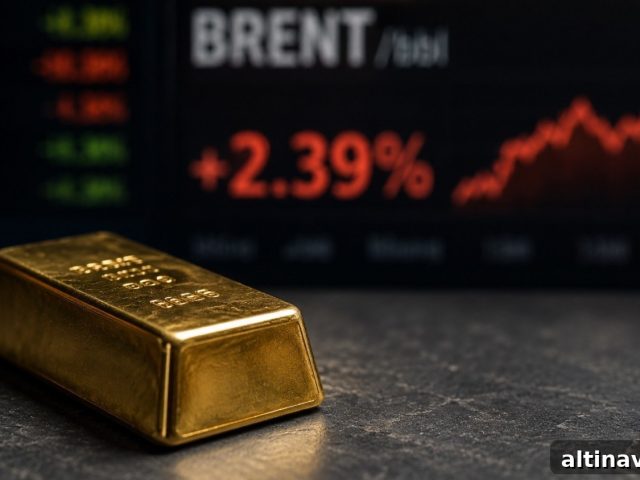
Wednesday’s CPI Could Reverse Gold’s Weekly Gains
Gold dipped roughly 0.3% Monday morning after recording its strongest weekly gain since January. Last week the metal climbed more than 7% after the July jobs report surprised to the downside, sharply reducing the odds of a Federal Reserve rate hike in September. Markets are now focused on Wednesday’s Consumer Price Index (CPI) release; that report will strongly influence whether the Fed can afford to keep rates on hold or whether rate-hike expectations will come back into focus before year-end.
What Did the Jobs Report Do to Gold?
Source: goldsilver.com/price-charts/. Approximate daily closes for trend illustration.
The July nonfarm payrolls report, released last Friday by the Bureau of Labor Statistics, showed payrolls down 23,000—an unexpected contraction versus consensus estimates for a modest gain. At the same time, May and June payrolls were revised lower by a combined 103,000. Together, the revisions and the negative print made it clear the labor market has softened. For markets, the implications are straightforward: weaker jobs data eases the pressure on the Fed to raise rates, which typically pushes Treasury yields and the dollar lower and makes gold relatively more attractive.
Ahead of the NFP release traders assigned about a 55% chance of a September Fed rate hike, per CME FedWatch. By Monday that probability had fallen to roughly 40%—a swing of about 15 percentage points triggered by one data release. That shift in rate expectations helped move gold more than 7% over five trading sessions, pushing prices to their highest levels since mid‑June. The Fed funds target currently stands at 3.50–3.75%, and while markets now lean toward a September hold, a hike remains possible if upcoming inflation reads surprise higher.
Why Does Wednesday’s CPI Report Determine What Comes Next?
The July Consumer Price Index, due Wednesday, August 12, is the next major datapoint for rate expectations. Consensus estimates (as reported by polls and market gauges) point to headline CPI easing modestly from June and core CPI nudging down as well. But forecasts are only estimates—if the actual numbers undershoot consensus, the case for the Fed to pause firmens; if they overshoot, markets will quickly re-price the path for policy tighter.
If CPI is at or below consensus: The Fed’s rationale for a September hike weakens. Bond yields and the dollar could fall further, lowering the opportunity cost of holding gold. In that scenario gold, which is already above $4,300 per ounce in recent trading, could extend toward resistance around $4,375 as analysts watch for momentum to continue.
If CPI surprises to the upside: Expectations of additional tightening would recover, pushing real yields and the dollar higher. Gold would likely come under renewed pressure and could test support near $4,300. A hot CPI print could reverse much of last week’s gains and provoke further short‑term volatility.
How Does Iran’s Refusal to Negotiate Complicate the Inflation Picture?
Political developments in the Middle East have already affected energy markets. Iran’s recent statements that it is not negotiating to reopen the Strait of Hormuz pushed Brent crude higher—oil moves that eventually feed into CPI with a lag. June’s sizable disinflationary contribution was partly a result of lower energy prices; July’s rebound in oil could erase that tailwind when the CPI for July is published.
That dynamic creates a tricky policy mix: the Fed could be confronted with a weakening labor market at the same time energy inflation is re-accelerating. If the Fed eases policy to address employment weakness, higher energy costs could boost inflation; if the Fed tightens to combat rising inflation, it could further stress jobs prospects. For gold investors, this “policy bind” is bullish structurally—gold often benefits when central banks face competing objectives—but the path can be volatile. Near‑term price moves will be driven by whether the CPI print inflates or calms market expectations.
What Is the Structural Floor Under Gold Right Now?
Beyond short-term data and market positioning, a key structural support for gold is central bank demand. Central banks purchased record volumes of gold in recent quarters—Q2 central bank buying set a quarterly record, and purchases are significantly higher than a year ago. Sovereign demand is driven by long-term considerations such as reserve diversification, geopolitical risk and concern about currency weakness. Unlike monthly CPI or employment reports, central bank reserve strategy changes slowly and provides a durable source of demand.
Put another way: even if CPI or yields create short-term volatility, sustained official sector purchases create a foundational level of demand that supports the market. For long-term holders, that structural narrative—coupled with the Fed’s limited options when jobs weaken and inflation remains sticky—keeps gold an attractive portfolio diversifier.
Bottom line: Wednesday’s CPI release will likely determine near-term momentum for gold. But the broader picture—rising central bank demand, geopolitical risk and an uneasy trade‑off for policy makers—remains supportive for precious metals over the medium to long term. Traders should expect volatility and watch CPI, energy prices and Fed commentary closely for clues about the next directional move.
The Edge Every Investor Needs
Smarter precious metals investing starts here. The Nuggets Newsletter brings essential market insights, Fed updates, global trends, educational videos, and timely analysis to help investors make better decisions.
You May Also Like:
- Gold Just Climbed to a 7-Week High. One Number Changed Everything.
- The Jobs Report Did What Iran Couldn’t: Move Gold and the Fed in the Same Direction
- China Has Been Buying Gold for 20 Straight Months. Now It’s Moving It.
- Trump’s Polysilicon Tariff Just Hit Silver’s Biggest Industrial Customer
- Gold Rallied 6% This Week. Tomorrow One Number Decides Whether It Holds.
- Why Is Silver Outperforming Gold? A 6‑Year Deficit
- Hormuz. ISM. Hecla. Barrick. Five Things Moved Gold and Silver Today.
SOURCES
1. Bureau of Labor Statistics — The Employment Situation, July 2026
2. CME Group — FedWatch Tool, September 2026 Meeting Probabilities
3. Reuters via CNBC — Gold Drifts Lower from Seven-Week Peak, US Inflation Data Looms, August 10 2026
4. Reuters via CNBC — Oil Prices Rise Amid Uncertainty Over US-Iran Strait of Hormuz Deal, August 10 2026
5. World Gold Council — Gold Demand Trends Q2 2026, July 30 2026
6. TradingKey — Gold Price Forecast: NFP, CPI, PPI, August 10 2026
Disclaimer: This article is for informational purposes only and does not constitute investment advice. Past performance is not indicative of future results. Always consult a qualified financial advisor before making investment decisions.
Popular Topics
Picked from the archive
-
01
 Topics
Central Banks Favor Gold Over the Dollar: Impact on Your Savings
-
02
Topics
Record Gold ETF Outflow Sparks Debate as China Disagrees
-
03
Topics
Is Gold Still a Safe Haven in War? Investor Insights
-
04
Topics
Gold Near $4,330 as 70% Rate-Hike Odds Rise, China Intervenes
-
05
Topics
Jobs Beat, Ceasefire, Deficit: Impact on Gold Prices
-
06
Topics
Silver Price Spikes to $69.85, FOMC Erases Gains
-
07
Topics
Banks Forecast Gold Over $5,400 After Greenland News
-
08
Topics
Why Gold Climbed After an 8% Oil Spike — What’s Different