Gold Rises $40 After 9-3 Fed Vote: Impact on Investors
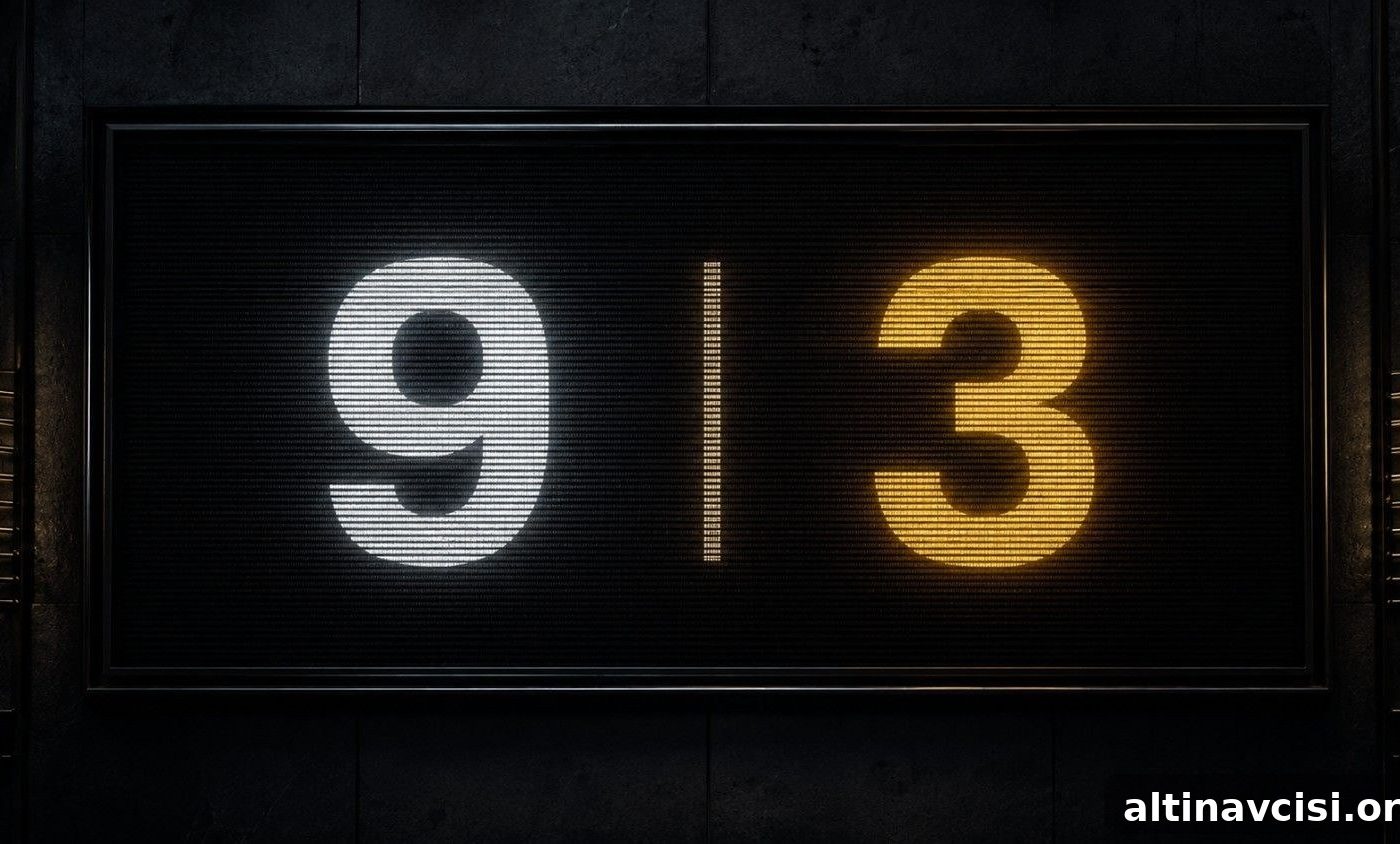
Three Federal Reserve officials entered Wednesday’s Federal Open Market Committee (FOMC) meeting convinced that interest rates should be raised, and they recorded their opposition at the vote. The remaining nine members voted to keep rates unchanged. The result was a 9-3 decision to maintain the federal funds rate at 3.50%–3.75%, the most divided Fed vote since September 2016.
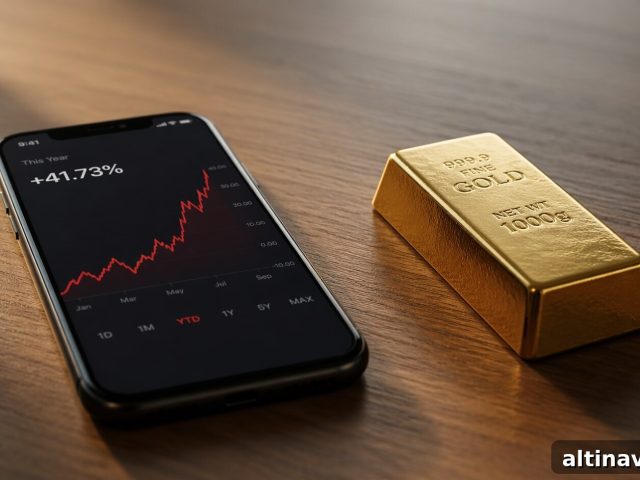
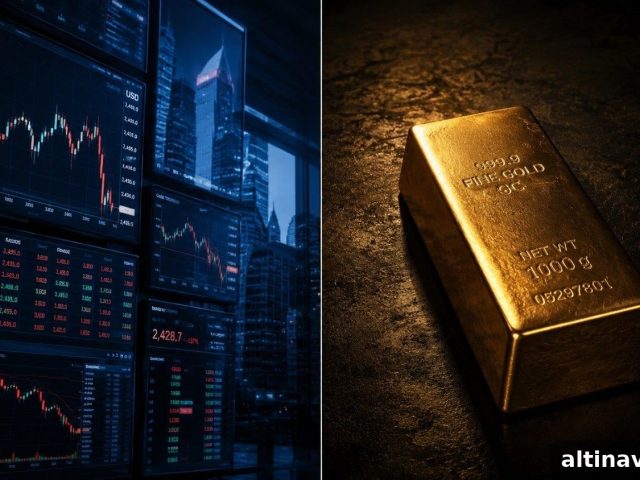
Gold responded immediately, gaining more than $40 on the session.
Below is a clear explanation of why the vote split matters more for markets than the headline “hold” decision.
What did the Fed actually decide on July 29, 2026?
The FOMC held the federal funds rate steady at a 3.50%–3.75% range, marking the committee’s fifth consecutive meeting without a rate change since the three cuts late in 2025. The decision to pause was widely anticipated. What surprised markets was the margin of the vote.
Beth Hammack (Cleveland Fed), Neel Kashkari (Minneapolis Fed), and Lorie Logan (Dallas Fed) all dissented, preferring a quarter-point increase at this meeting. The Fed’s official statement noted these dissenting votes and stated they “preferred to raise the target range for the federal funds rate by ¼ percentage point at this meeting.”
That outcome is a sharp turn from June’s unanimous 12-0 hold. In one meeting the committee moved from complete agreement to three clear hawkish dissents. All three dissenting votes came from regional Federal Reserve bank presidents rather than Board of Governors members. While the Fed chair retains the institutional majority and no central governors publicly broke with the chair, the regional split signals real internal pressure within the system.
At his post-decision press conference, Chair Kevin Warsh acknowledged the disagreement and framed it as a healthy debate: “I asked for a good family fight, and I got one,” he said, while emphasizing that a large majority supported the committee’s decision.
The Edge Every Investor Needs
Smarter precious metals investing starts here. The Nuggets Newsletter delivers concise market analysis, Fed updates, trend summaries, and educational resources straight to your inbox.
Why is this the most fractured vote since September 2016?
Three dissents that all point in the same direction indicate a cohesive hawkish faction rather than three isolated objections. When several members vote together, they reveal a coordinated viewpoint that can influence future discussions and markets. Market strategists described the committee as having “vocal hawks” after the vote.
Hammack, Kashkari, and Logan have been among the most outspoken officials about keeping policy tighter until inflation decisively moves back to the Fed’s 2% goal. Their joint dissent at the ballot box is consistent with their public comments earlier in 2026, but the jump from two expected dissents to three was a surprise to many analysts.
This was only the second FOMC meeting chaired by Kevin Warsh. His first meeting in June produced a unanimous hold. The quick transition from a 12-0 consensus to a 9-3 split highlights an increase in hawkish confidence at the regional level.
Why does a divided Fed vote move gold?
Market pricing works through real yields and expectations for future rate moves. Public signals from influential officials that rates should rise push up the implied probability of a rate hike at the next meeting. Higher odds of tighter policy lift real yields, and that increases the opportunity cost of holding non-yielding assets like gold.
That mechanism helps explain the sharp moves in gold around this meeting. In the day before the decision, rising odds of a hike pushed gold down by more than $46. But on the day of the decision, two countervailing factors lifted bullion.
First, the Fed’s hold removed imminent tightening from the immediate outlook — even a divided hold still leaves the market with one fewer near-term hike to price. Second, geopolitical events re-entered the equation: an attack on U.S. forces in the Middle East led to a spike in oil prices and added risk-premium demand for safe-haven assets.
When oil jumps on geopolitical tensions, gold often benefits through both safe-haven buying and the inflation channel. Higher energy prices can keep headline inflation elevated, which complicates the Fed’s calculus and may weaken the hawks’ immediate case if the oil-driven inflation spike proves temporary. Historically, environments with slowing growth and sticky headline inflation have been supportive for gold.
By Wednesday afternoon Eastern Time, the spot gold price had risen alongside silver as traders digested both the Fed split and the geopolitical risk.
What does the 9-3 split mean for gold heading into September?
The prospect for September’s FOMC meeting is now more uncertain. The June projections already showed that nine officials expected at least one hike before the end of the year. With three of those officials willing to dissent on the record today, the possibility they could build a broader coalition in coming weeks has increased.
For gold, the path ahead breaks into two clear scenarios. If inflation readings continue to cool — following the June consumer-price data that showed easing year-over-year inflation — the hawks’ argument for additional hikes weakens. Falling rate-hike probabilities would lower real yields and strengthen the structural case for gold, supported further by continued central bank purchases globally.
Alternatively, if oil prices remain elevated because of ongoing geopolitical disruption, headline inflation could stay sticky into August data releases. That would strengthen the hawkish case, potentially attracting additional votes for a September rate increase and creating near-term pressure on gold through higher real yields. Even in that case, the broader balance-sheet and fiscal pressures that underpin long-term demand for safe assets remain unchanged.
A 9-3 split is an important data point. It signals internal disagreement and informs markets about the balance of opinion inside the Fed. Over the long run, the underlying fiscal and monetary arithmetic remains the core driver of precious metals’ fundamental appeal.
Stay on Top of Gold & Silver Prices
Receive timely market alerts and key updates directly to your inbox.
SOURCES
1. Federal Reserve — FOMC Statement, July 29, 2026.
2. CNBC — Coverage of the Fed’s July 2026 rate decision and vote split, July 29, 2026.
3. Fox Business — Reporting from the July FOMC meeting, July 29, 2026.
4. Bloomberg — Article on the three dissenting votes, July 29, 2026.
5. U.S. Central Command — Statement on ballistic missile intercepts, July 29, 2026 (reported by major outlets).
6. CNBC — Oil price reaction to the Middle East developments, July 29, 2026.
7. GoldSilver — Live gold and silver spot pricing referenced for same-day moves, July 29–30, 2026.
8. CME Group — FedWatch Tool used for rate-hike probability context, July 2026.
9. Bureau of Labor Statistics — June 2026 Consumer Price Index summary.
10. World Gold Council — Central Bank Gold Reserves Survey 2026.
Disclaimer: This article is for informational purposes only and does not constitute financial or investment advice. Always consult a qualified financial adviser before making investment decisions.
You may also like:
- Iran fired missiles. Oil spiked. Gold moved. The chain of events and market mechanics behind the reaction.
- The Fed is the center of attention. Why tomorrow’s data release matters for gold.
- Five key signals moving gold on the eve of an FOMC meeting.
- Why falling consumer confidence and gold moves don’t always send the same signal.
- How changing hike odds drove a $46 move in gold.
- Why the vote tally matters more than the decision itself at Fed meetings.
Popular Topics
Picked from the archive
-
01
 Topics
Key Indicator to Watch for Gold Ahead of Fed Decision
-
02
Topics
Gold and Silver Correction: Is the 2026 Bull Market Ending?
-
03
Topics
Inflation Holds at 3.0%, Gold Funds Post Historic Rally
-
04
Topics
China Ends Paper Gold Trading July 24: Why Physical Holders Win
-
05
Topics
Why Turkey Sold Its Gold and What It Means for Sound Money
-
06
Topics
Gold-to-Silver Ratio Hits 64: What It Means for Silver in 2026
-
07
Topics
Physical vs Digital Gold: Which Is the Safer Investment?
-
08
Topics
Gold Prices Surge: The Unexpected Reason