Inside Class 3 Vaults: The Two-Hour Attack Standard for Gold
Key Takeaways
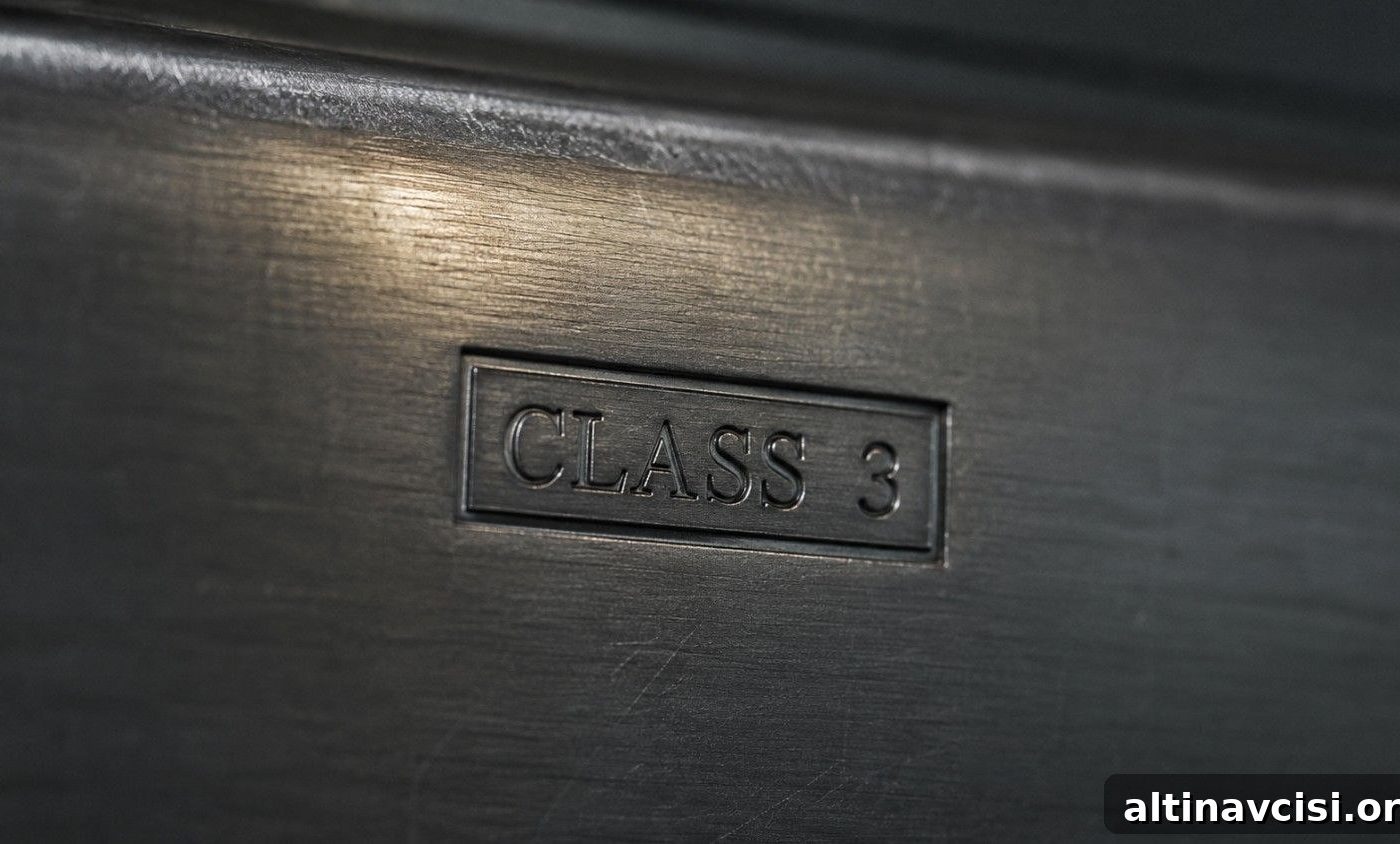
- A Class 3 vault is the highest commercial rating under UL Standard 608 from Underwriters Laboratories. It certifies that the vault door and wall panels can resist more than two continuous hours of sustained professional attack using power tools and cutting torches.
- The UL 608 scale includes four classes: M (15 minutes), 1 (30 minutes), 2 (60 minutes), and 3 (120 minutes). Class 3 is the top level.
- GoldSilver stores client metals in Class 3 facilities operated by Brinks, Loomis, and Malca-Amit. Achieving Class 3 is a requirement for NYMEX/COMEX licensure, not merely a marketing claim.
- Many bank branch vaults today do not meet UL 608 Class 3 standards. The Bank Protection Act was amended in 1991 to remove minimum construction requirements for bank vaults.
- Every vault in the GoldSilver custody network carries full replacement-value insurance underwritten by Lloyd’s of London.
A Class 3 vault withstands more than two hours of continuous, expert attack using professional power tools and thermal cutting equipment. That is the concrete, tested standard behind the rating and represents the highest commercial vault classification under UL Standard 608.
When a company says your gold is stored in Class 3 vaults, that statement refers to an audited performance standard with clear testing criteria. This article explains what the Class 3 designation means, how UL 608 testing is carried out, and why the classification matters for investors holding physical precious metals.
The Knowledge That Changes Everything

Two essential guides — yours free. Understand why gold matters and why fiat currencies typically lose purchasing power over time.
What Is a Class 3 Vault, Exactly?
A Class 3 vault holds the highest commercial rating defined by UL Standard 608, the testing protocol for burglary-resistant vault doors and modular wall panels. Under UL 608, certified technicians measure how long a vault survives a sustained, expert attack. The measured duration is the net working time — the clock runs only when attack tools are actively engaged on the structure.
UL 608 defines four attack-resistance classes:
- Class M — 15 minutes
- Class 1 — 30 minutes
- Class 2 — 60 minutes
- Class 3 — 120 minutes (two hours)
Class 3 is the ceiling of the commercial scale. Tests simulate realistic breach attempts with mechanical tools, high-powered electric tools, cutting torches, and combinations of these methods, reflecting the toolkit of a professional burglary team.
UL 608 vault security classes (net working time): Class M 15 min, Class 1 30 min, Class 2 60 min, Class 3 120 min.
Source: Underwriters Laboratories — UL Standard 608
How Does the UL 608 Testing Process Work?
UL-certified technicians subject the vault to sustained attack using professional-grade equipment. Tests evaluate both the vault door and the modular wall panels, because the overall security depends on every side of the enclosure. Attackers in the test use drills, abrasive cutting wheels, thermal cutting torches, and high-powered electric tools — the same instruments a sophisticated team would employ.
Testing is conducted in controlled, repeatable laboratory conditions, so outcomes are objective and verifiable. A vault either meets the Class 3 criteria or it does not; the rating is an independently certified performance result rather than a self-declared claim.
Why Does Two Hours of Attack Resistance Matter in Practice?
Two hours of resistance is a meaningful, practical threshold for three core reasons:
- Response time: Monitored alarm systems and law enforcement response typically interrupt burglary attempts long before two hours. Class 3 resistance provides a secure window for detection and response to take effect.
- Cost and complexity: Sustaining two hours of cutting and drilling requires highly trained personnel, specialized equipment, and extensive planning. That raises the cost and risk for attackers to a level most criminal actors cannot sustain.
- Regulatory and market standards: Institutional custodians and commodity exchanges require high physical-security standards. For example, NYMEX/COMEX-licensed depositories must meet Class 3 criteria as part of their licensure, making the standard a regulatory requirement for bullion custody operations.
How Does a Class 3 Vault Compare to a Standard Bank Branch?
Contrary to common assumptions, many bank branch vaults no longer meet the most rigorous, independently tested commercial standards. Since the 1991 amendment to the Bank Protection Act, banks are not universally bound to specific vault construction requirements. As a result, some bank vaults have lower physical-security specifications than specialist bullion depositories.
A COMEX-licensed bullion depository that meets UL 608 Class 3 will often offer stronger, independently certified physical protection than a typical retail bank branch. Institutional investors prefer specialist depositories for this reason: the security standard is measurable, independently audited, and mandated by the exchange framework.
What Else Supports Security at GoldSilver’s Vaults?
Class 3 construction is one important layer within a broader security architecture. Facilities used by professional custodians include additional protections such as:
- 24/7 armed guards providing continuous on-site security
- Bullet-resistant airlocks and controlled access to vault areas
- Independent alarm systems that operate separately from other site systems
- Continuous CCTV surveillance and recorded monitoring
- Full replacement-value insurance underwritten by specialist underwriters such as Lloyd’s of London
Operators like Brinks and Loomis bring institutional credentials and global logistics expertise. These independent custodians focus solely on secure transport and storage; they do not have a commercial interest in selling the metals they hold for clients.
Does the Vault Rating Differ Between Allocated and Segregated Storage?
No. Both allocated and segregated storage are protected under the same Class 3 security protocols. The difference lies in how your holdings are documented and stored inside the vault:
- Allocated storage assigns specific metal holdings to your account on a one-to-one basis, pooled on a strict inventory basis without fractionalization.
- Segregated storage places your specific bars or coins in a named box on a named shelf, physically separated from other customers’ assets and often accompanied by a certificate identifying the exact items held.
Both options typically carry the same specialist insurance and the identical physical security standard, so the choice is primarily about documentation, visibility, and handling preferences.
Stay On Top of Gold & Silver Prices
Get important market alerts sent to your inbox.
People Also Ask
Class 3 is the highest commercial rating under UL Standard 608. It means the vault door and wall panels can withstand more than two continuous hours of sustained attack using professional power tools and cutting torches. The test measures net working time, so the clock runs only when attack tools are actively engaging the vault.
UL 608 is the Underwriters Laboratories standard that rates burglary-resistant vault doors and modular wall panels by how long they can resist expert attack. The four classes—M, 1, 2, and 3—correspond to increasing minutes of resistance, with Class 3 at 120 minutes.
No. Since the Bank Protection Act was revised in 1991, banks are not uniformly required to meet specific UL 608 construction standards. Many bank branches do not meet Class 3 specifications, whereas COMEX/NYMEX-licensed bullion depositories must meet that standard as part of their licensure.
Yes. Vaults used by professional bullion custodians typically carry full replacement-value insurance underwritten by specialist insurers such as Lloyd’s of London to cover theft, damage, and transit risks.
On many dimensions, yes. Specialist bullion depositories operating under Class 3 protocols provide independently certified physical protection, dedicated bullion insurance, continuous security staffing, and operational independence from retail banking—advantages not always present with bank safe deposit boxes.
The Structural Point: Physical Infrastructure Is Part of the Investment Thesis
Owning physical gold is about both the asset and its custody. Where your metal is stored and how it is protected are integral to its value as a secure, crisis-resistant holding. A Class 3 vault rating provides an independent, measured assurance of physical protection under realistic breach scenarios.
Institutional investors choose specialist bullion depositories because security standards are measurable, insurance is specific to bullion custody, and operating procedures maintain legal and operational separation between custodians and client assets. Those same infrastructure benefits are now offered to individual investors through licensed, insured custody options.
Interested in allocated or segregated vault storage? Professional bullion depositories operate multiple secured locations under Class 3 protocols and carry specialist insurance to protect client holdings.
Open a vault storage account with a licensed bullion custodian to ensure your physical metals are held under tested, insured, Class 3 conditions.
SOURCES
1. Underwriters Laboratories — UL Standard 608: Burglary Resistant Vault Doors and Modular Panels.
2. GoldSilver — Vault storage information and custody policies.
3. Loomis International — International logistics and transport services for valuables.
Disclaimer: This article is for informational purposes only and does not constitute financial or investment advice. Consult a qualified financial adviser before making investment decisions.
You May Also Like:
- American Gold Eagle Coin: The Complete Investor Guide
- The Petrodollar System Explained: What It Is, How It Worked, and What’s Replacing It
- What Is a Self-Directed IRA? The Complete Guide for Precious Metals Investors
- Kiyosaki Gold Prediction: Buy the Dip or Wait?
- Gold Risk-Reward Calculator: Is Your Portfolio Actually Safe?
- What Are the Best Physical Precious Metals Products to Buy During a Correction?
- Gold Is Down 26%. Silver Is Down 51%. What Does the Stacker Do Now?
Popular Topics
Picked from the archive
-
01
 Topics
Gold Price Cycles Explained: A Four-Time-Horizon Framework
-
02
Topics
Gold Repricing Underway: 5 Major Institutions Confirm
-
03
Topics
How Dalio, Buffett and Jim Rogers Invest in Gold
-
04
Topics
How Gold Prices Move During a US Dollar Crash
-
05
Topics
5 Factors That Drive Gold Spot Prices
-
06
Topics
August CPI: Sticky Inflation Unlikely to Stop Fed Rate Cuts
-
07
Topics
Institutions Are Buying as Bond Yields Rise: What It Means
-
08
Topics
Why a Stalled Federal Reserve Matters for Gold Prices