Bank of America Forecasts 3 Rate Hikes; Silver Prices In First
Key Takeaways
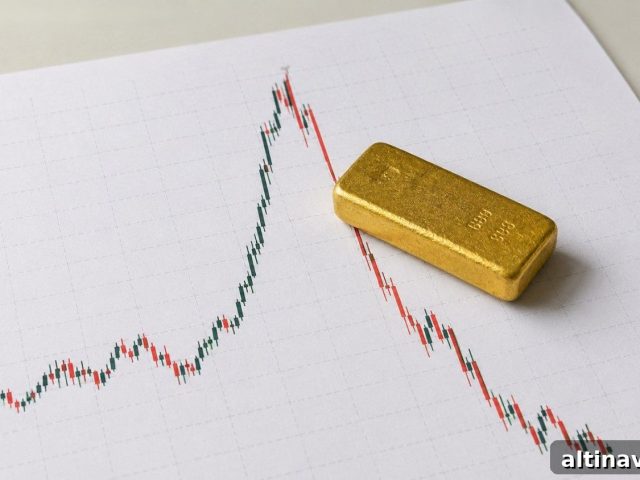
- Gold: $4,117.66 / oz — down $73.53 (−1.75%) as of ~8:30am ET, June 23, 2026 (live price)
- Silver: $61.91 / oz — down $3.18 (−4.88%) same time
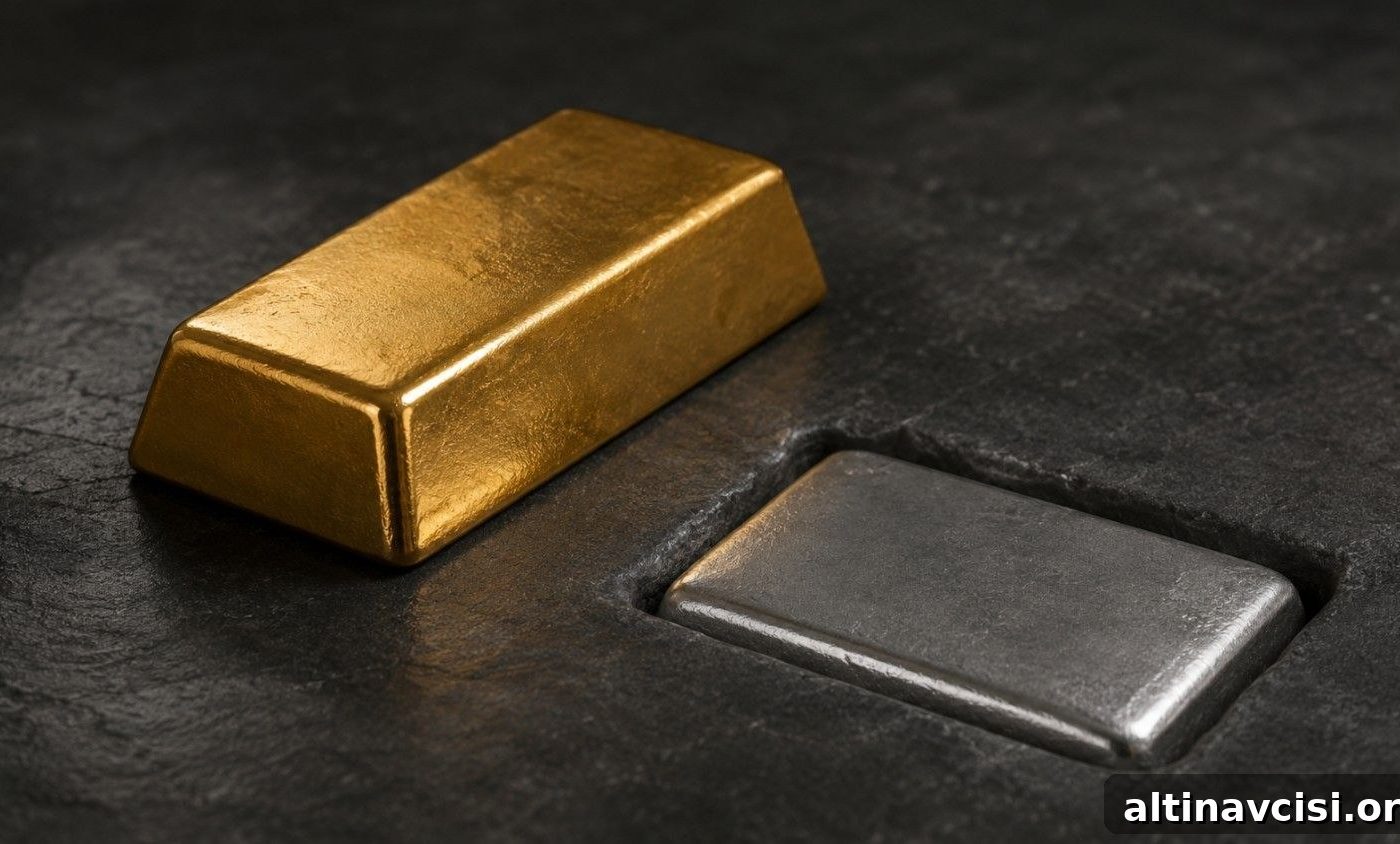
- Why the gap: Silver is driven by two demand engines; today only one is being hit.
- The catalyst: Bank of America forecasts 75 basis points of Fed rate hikes in 2026 — three moves in September, October, and December. Deutsche Bank followed with two hikes. CME FedWatch now prices a December hike at about 88% probability.
- What to watch: PCE inflation data is due Thursday, June 25. A soft core print would reduce the chance of a September hike; a hotter print would validate the more aggressive path.
The sharp underperformance of silver versus gold on Monday traces directly to a new research call from Bank of America. BofA published its most aggressive 2026 rate forecast to date — three 25-basis-point hikes in September, October and December — a view Deutsche Bank largely echoed with two hikes. Together, those forecasts pushed traders to conclude the Federal Reserve’s pause could be ending. The market reacted quickly: both metals fell, and silver fell notably harder.
This divergence is not random noise. It illustrates how silver’s price is driven by two separate demand engines: the monetary, shared with gold, and the industrial, unique to silver. Today’s repricing hit the monetary engine especially hard, and because silver also carries a large industrial exposure, the paper market amplified the move.
Why Did Silver Drop Almost 5% While Gold Dropped Less Than 2%?
Both gold and silver include a monetary premium — extra value derived from the fact they are non‑counterparty assets that cannot be printed. That premium tends to move opposite to real yields: when real yields rise, the opportunity cost of holding a non‑yielding asset increases, and capital rotates toward yield-bearing instruments like Treasury bonds.
Gold typically absorbs much of that monetary repricing. Silver usually absorbs an even larger share. The reason is leverage and market structure: silver futures are among the most leveraged and momentum-sensitive commodity contracts. When the monetary premium compresses, futures traders cut exposure rapidly. Because roughly 58% of annual silver demand is industrial — used in solar panels, electric vehicle batteries, semiconductors and other technology applications — that physical demand does not provide a quick offset for traders exiting speculative positions. Manufacturers sourcing silver for production schedules do not alter those orders in response to Fed commentary. The result is that silver’s paper price often reflects monetary shocks more dramatically than gold’s.
On Monday the gold‑silver ratio widened from about 63.2 to roughly 66.5 in a single session, a 3.3‑point move that signals silver cheapening relative to gold driven by monetary repositioning rather than a sudden structural collapse in industrial demand.
What Exactly Did BofA Say — and Why Does It Matter?
Before last week’s FOMC meeting, markets had largely priced zero hikes for 2026. Following the meeting, however, several Fed participants included at least one increase in their projections, and the chair’s more hawkish tone prompted BofA economist Aditya Bhave to conclude the Fed’s reaction function had shifted. BofA now expects 75 basis points of hikes next year, delivered as three 25bp moves in September, October and December, which would bring the federal funds rate to about 4.25%–4.50%. Deutsche Bank separately forecast two hikes, about 50 basis points in total.
The significance of those calls lies less in whether they prove correct and more in their market impact. CME FedWatch probabilities moved substantially after the meeting: the odds of a December hike climbed sharply, and September’s probability also rose. A stronger dollar is the channel that most directly pressures precious metals, and elevated odds for additional tightening have kept the dollar firm over the past sessions.
At the same time, the original inflation headwind that pushed gold and silver earlier this year — a spike in energy prices related to the conflict in Iran — has eased somewhat after a temporary sanctions waiver and muted oil moves. That easing would normally support metals. Instead, the market’s attention shifted from oil‑driven inflation to a renewed focus on Fed policy as the main short‑term price driver.
What Does PCE Thursday Change?
The Personal Consumption Expenditures (PCE) index for May — the Fed’s preferred inflation gauge — is scheduled for release on Thursday, June 25 at 8:30am ET. Context matters: May’s Consumer Price Index showed headline inflation elevated by energy, while core CPI held near 2.9% year‑over‑year. If core PCE prints softly (for example, around 0.2% month‑over‑month or below), that would reduce the odds of a September hike and give both gold and silver room to recover toward higher levels. Conversely, a hotter core PCE (0.3% or higher) would validate a more aggressive tightening path and likely prolong dollar strength, keeping downward pressure on metals.
What This Means If You Already Own Physical Metal
Monday’s moves reflect changes in futures positioning and market sentiment, not an immediate change to the structural case for owning physical metals. Silver’s supply fundamentals remain tight: the market is forecast to experience another annual supply deficit in 2026, and industrial demand from technology and energy sectors continues to grow. These structural factors are unchanged by short‑term rate forecasts.
Physical holders effectively own exposure to both the monetary and industrial engines. The monetary component is being repriced right now, which explains silver’s steep intraday drop relative to gold. Importantly, the same market mechanics that push silver down quickly on hawkish days can also drive faster recoveries when the monetary headwind eases.
Historically, rate hike cycles have not erased the long‑term case for sound money. Past tightening episodes show that gold often performs well in subsequent months because hikes tend to coincide with or confirm growth slowdowns that increase interest in tangible assets. That said, this week’s data and Fed expectations can still move prices sharply; understanding the drivers and timing is essential for informed decisions.
The Edge Every Investor Needs
Smarter precious metals investing starts here. The Nuggets Newsletter delivers market insight, Fed updates, trend analysis and educational videos.
SOURCES
1. Investing.com — BofA forecasts 75bps of rate hikes in 2026, June 22, 2026
2. CUToday — Deutsche Bank projects two 25bp rate hikes, June 22, 2026
3. CNBC — Gold slips over 2% as dollar holds firm on Fed rate‑hike expectations, June 23, 2026
4. BeinCrypto — CME FedWatch hike probabilities, June 23, 2026
5. GoldSilver — Gold & Silver Spot Prices, June 23, 2026
6. Silver Institute — World Silver Survey 2026
7. Bureau of Labor Statistics — Consumer Price Index, May 2026
8. Federal Reserve — FOMC June 2026 Statement & Summary of Economic Projections
Disclaimer: This article is for informational purposes only and does not constitute financial or investment advice. Consult a qualified financial adviser before making investment decisions.
You May Also Like:
- Iran Deal. Oil Falling. A PM Out. Gold Still Above $4,100.
- PCE Drops Thursday. Here’s What It Means for Gold.
- Goldman Sachs Gold Target Cut: What the $1,400 Gap Means
- Gold Price Today, June 19: What Juneteenth Trading Tells You
- Half the Fed Wants a Hike. 45% of Central Banks Are Buying More Gold.
- Silver Hit $69.85 This Morning. Then the FOMC Took It All Back.
- The Fed Went Silent. Gold Holders Don’t Need It to Speak.
- Five Signals That Say Gold’s Correction Is a Reset, Not a Reversal
Popular Topics
Picked from the archive
-
01
 Topics
Why Fed Rate Hike Odds Reached 85% and Gold Climbed
-
02
Topics
Gold Holds Steady as Central Banks Delay Rate Cuts
-
03
Topics
How Profit Booking Works in Gold and Silver
-
04
Topics
Optimize Portfolio with the 80/60 Gold-Silver Rule
-
05
Topics
Why Gold Is Outperforming Nvidia in 2025
-
06
Topics
Gold, Silver Prices Drop as Central Banks Hold Steady
-
07
Topics
How Silver Pricing Works: Spot Price, Premium and Dealer Markup
-
08
Topics
Gold Prices Fall to Seven-Month Low as Geopolitical Fear Fades