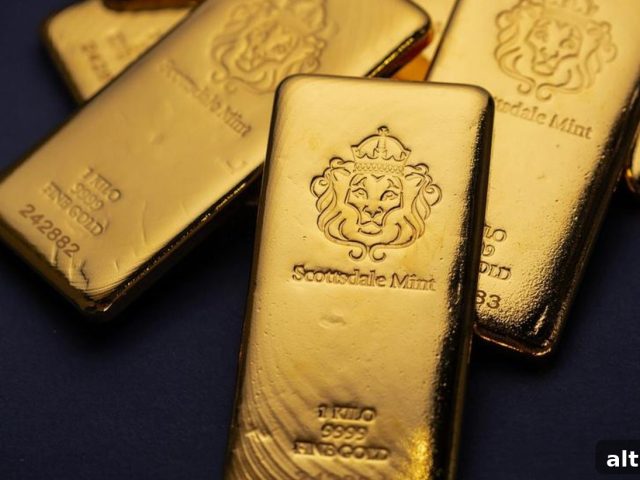
How Silver Pricing Works: Spot Price, Premium and Dealer Markup
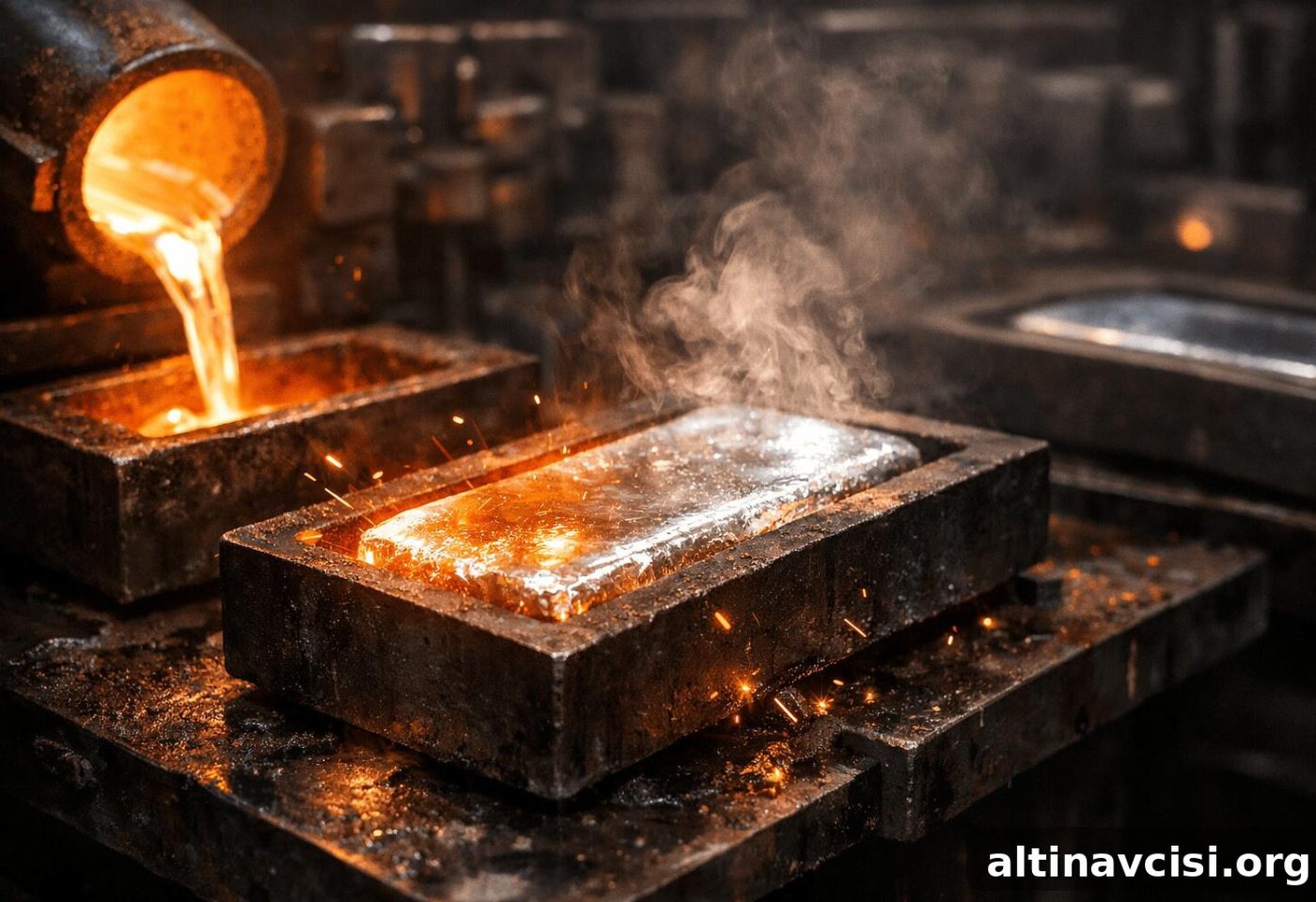
If you’ve ever bought or sold physical silver, you may have noticed a confusing gap: the quoted spot price often looks attractive, yet the actual price you pay — or receive when selling — can be noticeably different. Understanding the components of silver pricing is essential for investors, especially now that bid/ask spreads in the physical market have widened.
This article explains the core elements of silver pricing — spot price, premiums, and dealer markup — and then explores why bid/ask spreads for physical silver are wider today and what that means for the market.
The Three Core Components of Silver Pricing
To understand current wider spreads, first know how physical silver is priced.
1. Spot Price: The Paper Benchmark
The spot price of silver is the global benchmark quoted across financial media. It’s primarily discovered through futures markets and reflects electronic trading and broad investor sentiment. Because the spot price is derived from contracts traded on exchanges, it represents “paper silver” rather than the cost of bars and coins you can hold.

Get Expert Insights from Alan Hibbard
Learn clear, actionable analysis about gold, silver, and the global economy.
2. Premium: The Cost to Make Silver Physical
The premium is the extra amount charged over spot to cover the real-world costs of producing and delivering physical silver. It typically includes:
- Minting and fabrication
- Refining and assaying
- Transportation and insurance
- Wholesale and retail distribution
Smaller coins and rounds usually carry higher premiums than large bars because they require more labor, manufacturing steps, and packaging per ounce.
3. Dealer Markup: Operating Costs and Risk
Dealer markup covers the costs of running a business and managing risk while holding inventory. This includes:
- Inventory financing
- Secure storage and vaulting
- Exposure to price volatility while holding metal
- Compliance, staffing, shipping, and logistics
Markup isn’t arbitrary — it reflects the real costs and risks sellers face when offering immediate buy and sell services for physical metal.
Why Are Bid/Ask Spreads Wider in Physical Silver Right Now?
In short: silver hasn’t weakened; converting physical silver into cash has become more expensive and time-consuming. Several factors explain wider bid/ask spreads.
Physical Silver Is Not Instantly Liquid
Unlike ETFs or stocks that trade electronically in milliseconds, physical silver moves at the pace of trucks, refineries, and bank wires. When dealers buy metal back from customers, the material usually needs to be shipped, verified and assayed, melted and refined, and then resold. That process can take weeks when refineries are busy.
Example: If a dealer buys a 100‑ounce bar, it might take several days to ship and assay, then one to two weeks to melt and refine before it can be sold onward. During that period the dealer carries significant capital tied up and faces financing costs and market risk.
What this means: buy-side bids reflect these longer timelines and higher carrying costs, not necessarily weaker demand for silver.
Dealers Are Carrying Inventory Longer
When processing and refining slow down, dealers may hold metal for weeks or months. That increases their exposure to:
- Price risk
- Storage and insurance costs
- Financing expenses
What this means: bid prices adjust to compensate for longer holding periods and higher expense, widening the spread between buy and sell quotes.
Higher Silver Prices Increase Carry Costs
As the nominal price of silver rises, each bar or coin represents more capital that must be financed and insured. Higher interest rates amplify those financing costs, making it more expensive for dealers to hold inventory.
What this means: today’s wider spreads reflect both higher silver prices and a higher cost of capital.
Refiners Face Tighter Credit Conditions
Refineries often rely on short-term credit to process incoming metal. When credit is tighter or more expensive, refiners bid less aggressively for melt material or slow intake, which reduces throughput and increases bottlenecks upstream.
What this means: wider spreads are as much a credit and logistics issue as they are a market-pricing signal.
Paper Prices and Physical Prices Can Diverge
Spot prices update electronically in real time, while physical silver must travel and be processed. When logistics, financing, or refining capacity are constrained, the two pricing worlds can disconnect and bid/ask spreads expand accordingly.
What this means: physical pricing reflects real-world constraints and costs, not just the paper market’s instantaneous price discovery.
The Key Takeaway for Investors
A wider bid/ask spread does not mean silver is broken. It indicates that the cost and time to convert physical metal into cash have increased. In practice this means:
- Silver’s spot price can remain strong even as bid/ask spreads widen
- The cost to convert physical silver back into cash is higher
- Market stress is present around logistics and financing, not necessarily in demand for the metal
A wide spread is preferable to an absent bid. For investors focused on the long term, understanding spot price, premiums, and dealer markup helps separate temporary frictions from lasting value. Silver hasn’t weakened — it has become more expensive to carry, finance, and move, and that distinction matters.
Stay On Top of Gold & Silver Prices
Receive timely market alerts and updates delivered to your inbox.
People Also Ask
Why are silver prices higher than the spot price?
Physical silver prices include premiums and dealer markup on top of the spot price. Premiums cover minting, refining, transport and distribution; dealer markup covers inventory financing, security, and operational risk. The spot price alone reflects paper trading, not the cost of physical delivery.
What is the difference between silver spot price and physical silver prices?
Spot price comes from futures markets and shows the electronic, paper market’s valuation. Physical prices add premiums and markups to cover the costs of manufacturing, logistics, storage, and financing, which is why physical silver typically trades above spot.
Why are silver bid/ask spreads so wide right now?
Spreads are wider because it takes longer and costs more to convert physical silver into cash. Refining delays, limited processing capacity, higher interest rates, and tighter credit increase the cost of carrying inventory and slow turnover, widening bid/ask spreads.
Does a wider bid/ask spread mean silver demand is falling?
No. Wider spreads more often reflect logistical and financial strain in the physical market rather than falling demand. Prices can remain strong even as transaction costs and timelines rise.
Will silver premiums and spreads come back down?
They can narrow if refining capacity improves, credit conditions ease, and interest rates fall. Premiums and spreads tend to fluctuate with supply-chain dynamics and market conditions, so long-term investors typically focus on intrinsic value rather than short-term frictions.
You May Also Like:
- Silver Price Forecasts Revisited: Why Wall Street Got It Wrong
- Gold’s Purchasing Power: What One Ounce Buys Over Time
- Foreign Investors Are Selling U.S. Debt — Here’s Why Gold Is Surging
- Why Metals Dominated Every Asset Class in 2025 [and What It Means for 2026]
- Why New CME Trading Rules Could Push Silver to $100
- Best Investment Of 2026: Silver’s Setup Is Hard To Ignore
Popular Topics
Picked from the archive
-
01
 Topics
Why Gold Belongs in Your Alternative Investment Portfolio
-
02
Topics
Copper Inventories Drop 80% Amid US Tariff Fears, Supply Crisis
-
03
Topics
Crypto Treasury Firms Flood Wall Street in SPAC Gold Rush
-
04
Topics
June Home Sales Drop 2.7% as Affordability Squeeze Worsens
-
05
Topics
Tariff Uncertainty and Fed Outlook Keep Gold Prices Volatile
-
06
Topics
Gold Falls to One-Week Low as Trade Talks Enter Final Days
-
07
Topics
CBO: Trump Tax Law Increases U.S. Deficit by 3.4 Trillion
-
08
Topics
Gold Bulls Await Fed Clarity as Triangle Signals Rally to 3,700