India Gold Import Duty Hike: Impact on Demand
Gold and silver market update — May 13, 2026
Key Takeaways
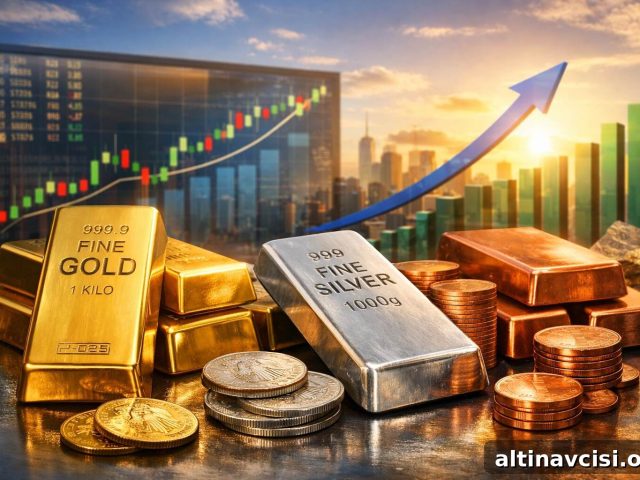
- On May 13, 2026, India increased its gold and silver import duties from 6% to 15% to support the rupee, effectively adding roughly $704 per ounce to the import cost of gold at current spot prices.
- Near-term retail demand is likely to soften as buyers delay purchases. However, historical patterns show deferred demand often resurfaces once duties ease or when alternative channels emerge.
- A government tax hike on gold to defend its currency signals that residents prefer gold over the local currency — a confirmation of the long-standing “sound money” argument rather than a bearish verdict on the metal itself.
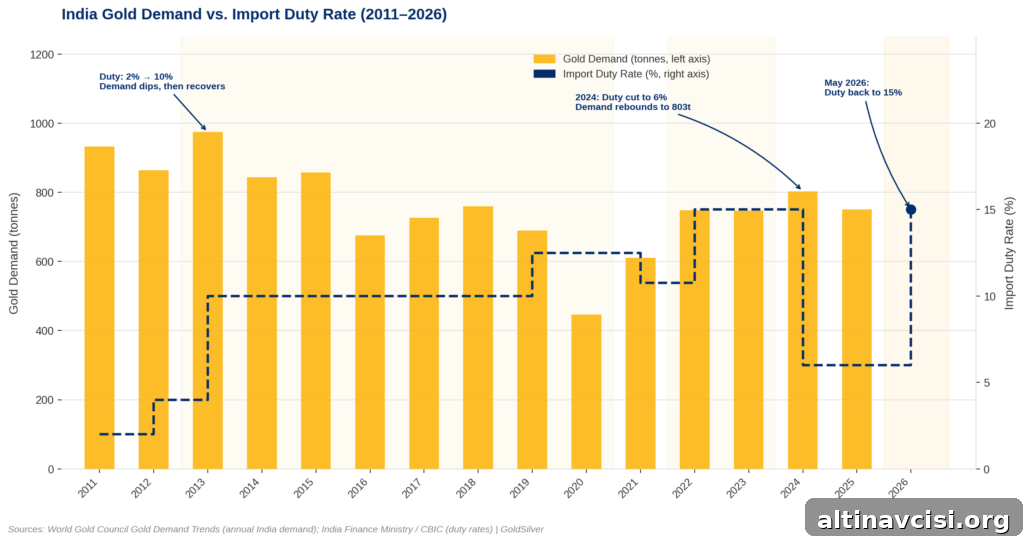
India raised its gold import duty from 6% to 15% on Wednesday, more than doubling the levy overnight. The ministry’s stated objective is to slow the outflow of foreign exchange and stop further weakness in the rupee.
At first glance this looks bearish: the world’s second-largest consumer of gold has made imports significantly more expensive. Retail buyers, jewelers, and wholesalers will face higher landed costs, and some purchases will be postponed as a result.
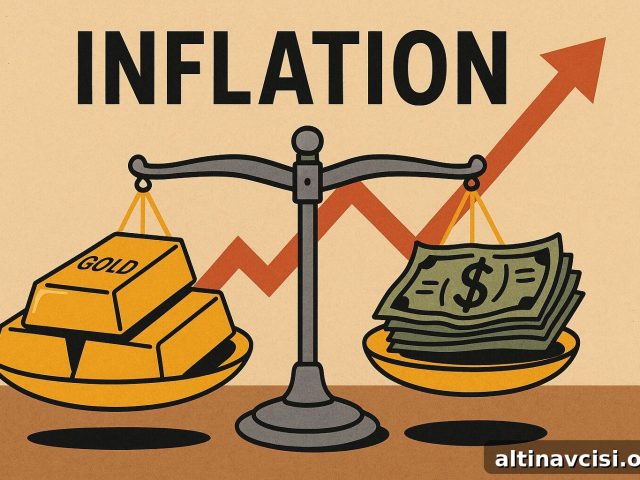
But viewed differently, the duty increase is evidence of a deeper problem with the currency. When a government taxes gold to protect its exchange rate, it is implicitly acknowledging that citizens have already chosen gold over paper money. The duty hike is therefore a policy response to that choice — not a judgment on the intrinsic appeal of gold.
Why Did India Raise Gold Import Duties?
India pays for the majority of its energy imports in US dollars. Disruptions in the Strait of Hormuz since late February have contributed to higher oil prices, with Brent crude trading near $107 per barrel around mid-May. That pushed India’s import bill higher and put additional pressure on the country’s foreign exchange reserves.
Gold imports, which ordinarily total roughly 700–900 tonnes per year and are priced in dollars, draw on the same pool of foreign exchange that pays for oil. To conserve dollars and support the rupee, authorities increased the tax on gold imports to a 10% basic customs duty plus a 5% Agriculture Infrastructure and Development Cess, for a total of 15%.
At the spot price cited on May 13, 2026 (around $4,689.74 per ounce), the additional duty translates to an import cost increase of about $704 per ounce before dealer markups and any local sales taxes. The government had previously made voluntary appeals for reduced gold purchases; the duty rise is a stronger, enforceable measure when voluntary measures fail to alter buying behavior.

The Edge Every Investor Needs
Smarter precious metals investing starts here. The Nuggets Newsletter delivers concise market insights, central bank updates, global trends, and educational content straight to your inbox.
Does a Duty Hike Actually Kill Indian Gold Demand?
Higher import costs will clearly suppress buying in the short term. Some households will delay purchases, wedding jewelry orders may be postponed, and official import numbers will decline as prices at the border rise. That effect is straightforward and expected.
But India’s demand for gold is not purely transactional — it is cultural and generational. For millennia, households have held gold as both jewelry and savings. The 2013 precedent is instructive: when India sharply increased import duties that year, official imports fell, but a large portion of demand moved into unofficial channels and later returned when duties were adjusted. The structural preference for gold did not vanish; it was deferred or redirected.
In short, deferred demand is not destroyed demand.
What the Duty Hike Reveals About the Rupee
When authorities raise gold import taxes to protect a currency, the action reflects a wider macroeconomic problem: households and institutions are reducing exposure to the domestic currency. The tax makes that choice more expensive, but it does not remove the underlying incentives that drove people to buy gold in the first place.
This dynamic is not limited to India. Central banks around the world have also been buying gold aggressively. Recent global data shows central bank net purchases remain large, illustrating that sovereign treasuries and private savers often act on the same impulse — to reduce currency exposure and increase holdings of a tangible asset.
Ultimately, gold’s long-term case is rooted in fiscal and monetary realities: when governments spend beyond sustainable means or when currencies lose purchasing power, both private citizens and official institutions turn to gold. That pattern repeats across history and across regions.
Stay On Top of Gold & Silver Prices
Sign up for timely market alerts and concise analysis sent directly to your inbox.
SOURCES
1. India Ministry of Finance — Notification No. 16/2026-Customs, May 12, 2026
2. nFusion Solutions — Spot Price API (reported spot prices at time of publication)
3. U.S. Energy Information Administration — Short-Term Energy Outlook, May 12, 2026
4. World Gold Council — Gold Demand Trends Q1 2026 (central bank demand and global demand figures)
5. World Gold Council — Gold Demand Trends: India Focus Q1 2026 (data on India’s role as a leading consumer)
6. World Gold Council — Gold demand and supply by country (historical data and duty-cycle precedent)
Disclaimer: This article is for informational purposes only and does not constitute financial or investment advice. Consult a qualified financial adviser before making investment decisions.
You May Also Like:
- 5 Forces Shaping Gold and Silver at the Beijing Summit
- The Real Reason Gold Falls When Inflation Surges
- CPI Hits 3.8%. Gold Falls. The Mechanism Nobody Explains
- Why the Gold Silver Ratio Is Falling — and What It Means
- What’s Moving Gold Prices This Week: CPI, Seoul & Beijing
- Silver Jumps 6% Before Trump-Xi Summit. Here’s Why
- April Jobs Beat 115K. Gold Held. The Dollar Didn’t. Here’s Why
- Jobs Beat, Ceasefire, Deficit: What It Means for Gold
Popular Topics
Picked from the archive
-
01
 Topics
Why Metals Led Markets in 2025 and What It Means for 2026
-
02
Topics
Wall Street Whiplash: Stocks Rally on CPI, Plunge on PPI Shock
-
03
Topics
US Treasury Yields Rise Ahead of Major Bond Auction
-
04
Topics
Markets Slash ECB Rate-Cut Odds After Trade Deal Eases Tariff Fears
-
05
Topics
3 Questions Investors Must Ask Before Buying Any Asset in 2026
-
06
Topics
Gold vs Cash: How Inflation Destroys Dollar Purchasing Power
-
07
Topics
U.S. Gas Prices Fall to 12-Month Low Despite Heat; Storage Up 6%
-
08
Topics
Gold Price 3,767 USD: Fed Rift Deepens as China Eyes Share