Silver Price Forecast 2026-2027: Bull vs Bear Outlook

Last updated: October 29, 2026.
Outlooks for silver in 2026–2027 diverge sharply. Institutional forecasts range from roughly $44/oz (TD Securities, downside) to $165/oz (LBMA bull respondent), with a rough consensus near $79–81/oz. The bullish case rests on continued supply deficits and rising industrial demand; the bearish case emphasizes a resilient U.S. dollar and the possibility that rate-cut expectations soften. As of late October 2026, silver traded near $52/oz — well below many institutional forecasts and a reminder of the metal’s high volatility.
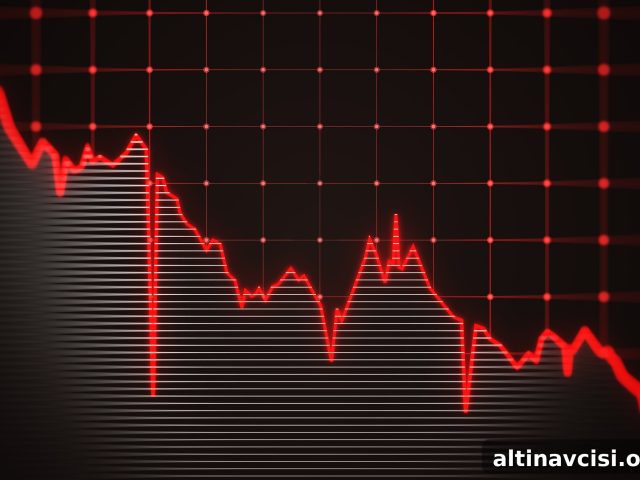
Silver experienced an extraordinary rally in 2025, rising more than 147% and briefly reaching a nominal high near $121/oz in January 2026. By late October 2026, the price had fallen about 57% from that peak to roughly $52/oz. That swing underscores how quickly sentiment and price can reverse in the silver market.
So what comes next? Investors must weigh two distinct scenarios. Below is a concise, balanced assessment of the bull and bear cases for silver in 2026–2027 and the key variables that will influence price direction.
Where Silver Stands Heading Into the Rest of 2026
Silver is no longer the deeply undervalued metal it appeared to be in early 2025. It has already delivered a major rally, but the fundamental drivers remain mixed. One useful gauge is the gold-to-silver ratio, which measures how many ounces of silver buy one ounce of gold. The ratio fell from an extreme near 105:1 in April 2025 to roughly 57–63:1 after silver’s surge in early 2026, then moved back toward about 77:1 by October 2026. That return toward the long-term average (around 70:1) illustrates how fast the relationship between gold and silver can change.
Where the ratio and prices go next depends on macro policy, industrial demand trends, and the pace of supply growth. Investors should monitor those variables closely as they weigh positioning for 2027.
The Bull Case for Silver in 2026–2027
Q: What could push silver significantly higher from current levels?
Several institutional analysts remain constructive on silver despite recent gains. Their bullish thesis rests on a few core points:
1. Structural Industrial Demand
Silver is a vital industrial metal. Solar panel manufacturing consumes a significant portion of annual silver demand—often cited near the mid-teens percentage range—and that share is expected to grow as renewable installation expands. Silver’s conductivity makes it essential to electric vehicles, 5G infrastructure, semiconductors and medical equipment. If these industrial trends accelerate, demand could outpace current expectations and support higher prices.
2. Multi-Year Supply Deficits
Industry data indicate multiple consecutive years of global silver supply deficits, and many analysts expected a sixth deficit in 2026. When supply falls short of demand repeatedly, upward pressure on prices builds. Mining output is constrained by declining ore grades at some large producers and long lead times for new supply. Persistent deficits could therefore be a powerful bullish force.
3. Potential Fed Easing and a Weaker Dollar
If the Federal Reserve pivots to rate cuts in the second half of 2026, real yields would likely fall and the U.S. dollar could weaken—conditions that historically support non-yielding precious metals like silver. A dovish shift in policy would amplify silver’s upside potential, especially if industrial demand remains strong.
4. Elevated Institutional Bull Targets
Some bank and survey-based targets are markedly higher than current prices. Surveys and select bank scenarios show a wide bull range—targets from about $80–90/oz up to triple-digit outliers—reflecting conviction that structural deficits and industrial demand could drive much higher prices under the right conditions.
Summary (bull case): Continued supply deficits, expanding industrial demand, and a Fed pivot to cuts could lift silver toward $100/oz or higher, particularly if macro conditions align to weaken real yields and the dollar.
The Bear Case for Silver in 2026–2027
Q: What risks could cause silver to fall or disappoint?
The downside risks are tangible and have driven recent weakness. Key bearish arguments include:
1. The Major Move May Have Already Occurred
Silver’s 2025 surge and the January 2026 spike included substantial speculative activity. When speculative positions unwind, prices can correct sharply even if fundamentals remain supportive. The gold-to-silver ratio also no longer signals deep undervaluation, reducing one compelling structural buying argument.
2. A Stronger Dollar and Higher-For-Longer Rates
If the Fed keeps rates elevated or shifts back toward tightening, real yields could rise and the dollar could strengthen—both headwinds for silver. A resilient dollar makes commodities more expensive abroad and can suppress global demand. Some bearish institutional forecasts place 2026 averages well below current consensus in that scenario.
3. Thrifting and Slower Industrial Growth
Improvements in manufacturing efficiency—especially in solar panel production—mean less silver is needed per unit of output. If global growth slows, particularly in China, and manufacturers continue to reduce silver intensity, industrial demand may underperform expectations and cap price upside.
4. Geopolitical and Macro Wildcards
Geopolitical shocks can support precious metals, but they can also raise energy prices and force central banks into tighter policy—creating a scenario of weaker growth and higher rates that would weigh on silver.
Summary (bear case): Speculative unwinding, persistently high rates, a strong dollar, and softness in industrial demand could push silver back toward the $44–$65 range in a correction scenario.
What Are Analysts Forecasting for Silver in 2027?
Forecasts for 2027 diverge widely. Some institutions expect gradual supply improvements to ease tightness and project mid-range prices (for example, forecasts near the high $50s to low $70s), while more bullish analysts see prices moving back into the $90s if industrial demand accelerates and policy becomes more supportive. The key variable for 2027 remains the Fed’s stance in H2 2026: policy easing would support higher targets; continued hawkishness would make lower targets more likely.
Is 2026–2027 Still a Good Time to Invest in Silver?
There is no single right answer. Silver’s long-term structural arguments—industrial demand growth, supply constraints, and inflation hedging—remain valid for investors with multi-year horizons. However, silver is no longer the deeply discounted opportunity it was at a gold-to-silver ratio above 100:1. For long-term investors, the fundamentals can justify a measured allocation; for traders seeking quick gains like those in 2025, the risk profile is materially different. Dollar-cost averaging and disciplined position sizing are prudent approaches given the metal’s volatility.
Silver in 2026–2027: Tension, Not a Verdict
Silver’s outlook is a study in competing forces. Structural bull arguments—green-energy demand, multi-year supply deficits and inflation protection—remain real. At the same time, macro headwinds such as a strong dollar and higher-for-longer interest rates are active risks. The most prudent approach for most investors is to understand both scenarios, size exposure to fit risk tolerance, and avoid extremes of either blind optimism or reflexive avoidance.
Stay On Top of Gold & Silver Prices
Receive timely market alerts and analysis in your inbox.
People Also Ask
What are the bull and bear scenarios for silver prices in 2026–2027?
The bull case targets roughly $90–$150+/oz driven by persistent supply deficits, rising industrial demand (solar, EVs, 5G), and potential Fed cuts. The bear case envisions a correction toward $44–$65/oz if the dollar stays strong, rates remain elevated, and industrial demand softens.
Could silver reach $300 or more by 2026?
A $300 outcome would require a severe physical supply shortage, a dramatic collapse of the dollar, and a large institutional shift into real assets simultaneously. Most mainstream analysts consider this an extreme tail scenario rather than a base case.
What risks could push silver lower in 2026–2027?
Key downside risks include a persistently strong dollar, Fed rate hikes instead of cuts, a slowdown in China or other major economies, continued manufacturing “thrifting” that reduces silver intensity, and a significant unwinding of speculative positions.
SOURCES
Selected institutional research, industry surveys and market data including bank research reports, LBMA and Silver Institute supply-demand analysis, and major market commentary as of October 2026.
This article is for informational purposes only and does not constitute investment advice. Precious metals investing involves risk, including the possible loss of principal. Price data referenced as of October 2026. Consult a qualified financial advisor before making investment decisions.
You May Also Like:
- How to Buy Silver Bars: The Investor’s Guide
- Why Silver Falls While Gold Rises: What It Means for You
- Gold Price Forecast 2026–2027: Key Predictions from Top Analysts
- Is Now a Good Time to Buy Gold? Here’s the Macro Case
- Is Gold a Better Investment Than Bitcoin Right Now?
- What the Silver-to-CPI Ratio Reveals That Spot Price Hides
- Gold & Silver Supply and Demand: What Really Drives Prices Over Time
Popular Topics
Picked from the archive
-
01
 Topics
Goldman Sachs Predicts Tariffs Will Slow Growth to 1.1% by 2025
-
02
Topics
Gold Price Drops Below 50-Day Moving Average
-
03
Topics
Trump Seeks to Fire Fed Governor, Challenging Presidential Power
-
04
Topics
Gold Prices Rise as Dollar Slips Ahead of Fed Rate Decision
-
05
Topics
Silver Hits Record High as Banks Forecast $5,000 Gold by 2026
-
06
Topics
Gold Rebounds from Two-Week Low Ahead of Trump-Zelenskiy Summit
-
07
Topics
Gold Climbs on Trade War Jitters Before US Inflation Report
-
08
Topics
Should Investors Swap Silver for Gold Now?