Goldman Sachs Predicts Tariffs Will Slow Growth to 1.1% by 2025
Goldman Sachs: Escalating Tariffs to Weigh Heavily on U.S. Growth and Raise Inflation
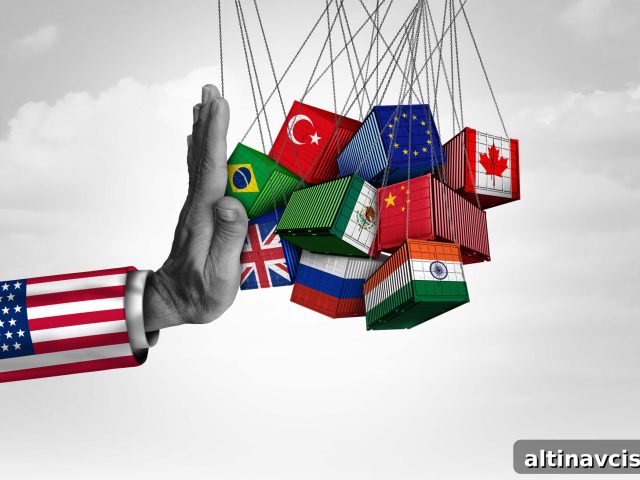
In a recent client note, Goldman Sachs’ chief economist Jan Hatzius cautioned that the administration’s escalating tariffs are likely to impose a significant drag on the U.S. economy. Despite a modest 0.5% rise in consumer spending in the first quarter, GDP contracted at an annualized rate of 0.5%. Goldman’s outlook now anticipates slower expansion, projecting overall growth to average just 1.1% through 2025.
The firm highlights tariffs as a primary channel behind this weaker outlook. Tariff-related price increases have eroded real incomes, reducing household purchasing power and effectively stalling consumer spending over the past six months—a dynamic Goldman notes is typically associated with economic downturns. That stall in spending is particularly notable because consumer outlays are the largest component of U.S. GDP and are the usual engine of growth in non-recessionary periods.
Under Goldman’s base-case scenario, reciprocal tariff measures are expected to raise the average effective tariff rate sharply: the note projects an increase of 14 percentage points this year, with a further 3 percentage points added in 2026. Those higher import costs work through the economy by pushing up prices on affected goods and by reducing household real incomes, which in turn weighs on demand for a wide range of products and services.
As a result of these tariff-induced price pressures, Goldman forecasts that core personal consumption expenditures (PCE) inflation—which excludes volatile food and energy components—will peak at 3.3% in 2025. After that peak, the bank expects inflation to gradually moderate toward the Federal Reserve’s 2% objective over the following two years, assuming no further large policy or trade shocks.
The interplay between weaker growth and higher inflation presents a policy dilemma. Higher core inflation can constrain the Federal Reserve’s ability to ease monetary policy, even as slowing growth and stalled consumer demand argue for support. Goldman’s analysis implies a period in which policymakers may have to balance inflation containment against the risk of further slowing activity.
For households, the immediate impact is a squeeze on real incomes. When tariffs raise the cost of imported goods, consumers either face higher prices for the same goods or must shift spending to lower-cost alternatives, both of which reduce overall purchasing power. Over time, persistent tariff increases can alter business investment decisions, supply chain configurations, and the composition of consumer demand—factors that further influence medium-term growth prospects.
Goldman’s outlook is explicitly tied to its base-case assumptions about how tariffs evolve and how businesses and consumers respond. That means the actual path for growth and inflation could differ materially if tariffs are rolled back, if new offsets are introduced, or if broader macroeconomic conditions change more sharply than expected. Nonetheless, the note underscores the importance of trade policy as a meaningful near-term determinant of U.S. economic performance.
In summary, the Goldman Sachs assessment from Jan Hatzius warns that rising tariffs are likely to sap real incomes, stall consumer spending, and lift core inflation in the near term—resulting in a weaker growth trajectory through 2025 and a temporary rise in inflation before an eventual return toward the Fed’s 2% target.
Popular Topics
Picked from the archive
-
01
 Topics
Silver Prices Jump 35% YTD as Rally Accelerates
-
02
Topics
David Einhorn: Why Gold Prices Keep Rising – Not Inflation
-
03
Topics
Survey Predicts Silver Price Could Reach $41 Despite Volatility
-
04
Topics
US-EU Deal Sets 15% Tariffs; China Truce to Continue
-
05
Topics
Wall Street Reacts to Inflation, Earnings and Trade Policy
-
06
Topics
Gold Drops 1.5% After Fed Holds Rates Steady
-
07
Topics
Fed Rate-Cut Bets Lift Gold as Silver Tops 13-Year High
-
08
Topics
Gold Price Jumps 1% as Investors Seek Safe-Haven Assets