Silver Climbs to $39 as Weak Dollar Sparks Rally

Silver Holds Above $39 as Dollar Weakens, Yields Fall and Trade News Shapes Markets
Silver remained above $39 an ounce on Wednesday, hovering near levels not seen since 2011 as investors reacted to a weaker U.S. dollar and softer Treasury yields. Those two factors helped make precious metals more attractive as an alternative investment, supporting demand for both silver and gold.
Currency and Yield Dynamics Boost Precious Metals
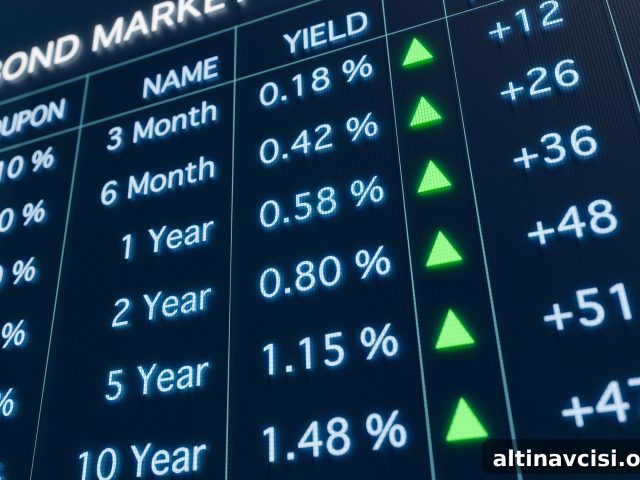
A declining U.S. dollar typically increases the appeal of dollar-priced commodities for overseas buyers, and recent dollar weakness contributed to upward pressure on silver prices. At the same time, falling Treasury yields reduce the opportunity cost of holding non-yielding assets such as silver and gold. Together, a softer dollar and lower yields can create a favorable environment for precious metals by improving their relative returns compared with fixed-income securities.
For many market participants, these moves reflected a broader shift in sentiment toward safe-haven and inflation-hedging assets. When real yields decline and the dollar weakens, investors often reallocate capital into metals to preserve value, diversify portfolios, or hedge against economic and policy uncertainty.
Trade Developments Add Market Focus
Beyond macroeconomic drivers, investors were also weighing recent trade developments. President Trump announced a new 15% tariff deal with Japan, a measure that has implications for global trade flows and corporate planning. At the same time, market watchers anticipated a likely extension of the U.S.–China tariff truce as negotiators prepare for talks in Stockholm. Trade negotiations and tariff decisions remain important variables for markets because they can influence growth expectations, corporate earnings forecasts, and global supply chains.
Uncertainty around trade policy can increase volatility and push investors toward safe-haven assets like silver and gold. Even temporary pauses or extensions in tariff disputes can shift risk sentiment, prompting traders and long-term holders to adjust positions across commodities and currencies.
Monetary Policy Debate and Political Pressure
Political comments about central bank leadership and policy also factored into market dynamics. President Trump renewed public criticism of Federal Reserve Chair Jerome Powell, accusing him of keeping interest rates too high and predicting that Powell would leave his position within eight months. Such remarks add an element of uncertainty about the future direction of U.S. monetary policy and can influence expectations for rate moves, central bank independence, and financial market reactions.
Market participants closely monitor statements from political leaders and central bank officials because they can change rate expectations and impact asset prices. Fed policy projections, as well as perceptions of the central bank’s independence and decision-making timeline, remain critical for interest-rate-sensitive assets, including Treasury securities and precious metals.
Outlook and Investor Considerations
With silver trading near multi-year highs, investors face a range of factors to consider. The interplay of currency shifts, yield movements, trade developments, and political pressure on monetary policy can all influence price trajectories. For those considering exposure to silver, it is important to weigh both short-term technical and sentiment-driven forces as well as longer-term fundamentals such as industrial demand, supply dynamics, and macroeconomic indicators.
Short-term volatility can be expected as markets digest economic data releases, central bank commentary, and any new developments in trade negotiations. Meanwhile, the structural role of silver as both an industrial metal and a store of value means its price path may reflect a combination of cyclical demand and safe-haven flows.
Key Takeaways
- Silver remained above $39 an ounce, near highs not seen since 2011, supported by a weaker U.S. dollar and falling Treasury yields.
- Recent trade actions—including a 15% tariff deal with Japan and the likely extension of a U.S.–China tariff truce—added to market attention and uncertainty.
- Political pressure on Federal Reserve leadership and public commentary about rate policy contributed to uncertainty over future monetary decisions.
- Investors should consider both short-term market drivers and longer-term fundamentals when evaluating exposure to silver and other precious metals.
Popular Topics
Picked from the archive
-
01
 Topics
ECB Reaches 2% Inflation Target in June as Eurozone Prices Hold
-
02
Topics
Trump Threatens EU With 250% Tariffs on Pharmaceuticals
-
03
Topics
Trump Threatens 10-15% Tariffs on Over 150 Countries
-
04
Topics
Trump’s 50% Tariff Threat Sparks Stock Market Turmoil
-
05
Topics
Record Trade Deficit Pushes US GDP Down 0.2%
-
06
Topics
Why Gold Is Defying Market Signals in 2025
-
07
Topics
Why Bond Experts Draw Parallels Between Today’s Fed and the 1930s
-
08
Topics
How He Lifeng Is Rewriting China’s Playbook to Counter Trump