Trump Seeks to Fire Fed Governor, Challenging Presidential Power
Trump Attempts to Remove Fed Governor Lisa Cook, Prompting Legal and Institutional Clash
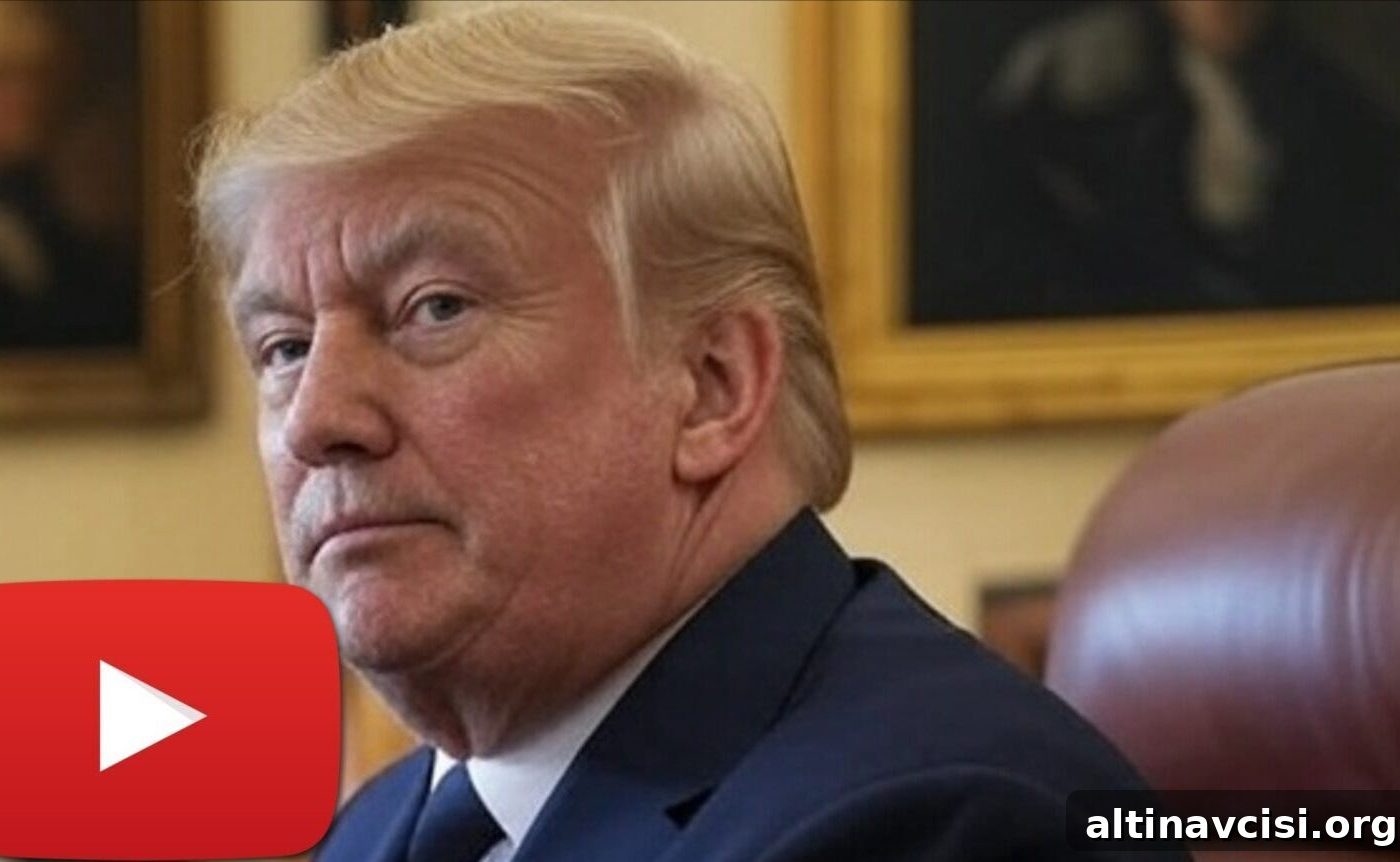
President Trump attempted late Monday to remove Federal Reserve Governor Lisa Cook from her position, citing allegations of mortgage fraud. Governor Cook immediately rejected calls to resign and made clear that she believes the president lacks the legal authority to dismiss a member of the Federal Reserve Board of Governors. The move marks a dramatic escalation in efforts by the White House to influence monetary policy and signals a potentially long, consequential legal and political battle.
Why the Attempt Is Unusual
The attempt to force a sitting Federal Reserve governor from office is widely regarded as unprecedented in recent memory. Federal Reserve governors serve fixed terms and the central bank’s structure is designed to provide a measure of independence from short-term political pressures. That independence is considered an important tool for policymakers to manage inflation, stabilize financial markets, and maintain long-term economic credibility.
Legal scholars and former central bankers have noted that efforts to remove Fed officials raise complex questions about presidential authority, statutory protections, and the separation of powers. Because the Federal Reserve plays a central role in setting interest rates and guiding monetary policy, any perceived attempt to influence its composition for political ends could have significant consequences for public trust and market stability.
Legal Outlook: Expect a Protracted Court Battle
Legal experts predict a protracted judicial contest if the White House persists. Courts would likely be asked to interpret the statutory framework governing the removal of Federal Reserve governors and to consider constitutional separation-of-powers issues. While outcomes can never be forecast with certainty, analysts say litigation could move through multiple levels of the federal judiciary and potentially reach the Supreme Court if core questions about authority and precedent remain unresolved.
An extended legal dispute would not only determine the immediate fate of Governor Cook’s tenure but could also establish important precedent about the limits of presidential power over independent federal agencies. The stakes include both the specific governance of the Federal Reserve and the broader principle of insulating economic policy decisions from abrupt political intervention.
Implications for Monetary Policy and Markets
Observers warn that the confrontation could undermine the Federal Reserve’s perceived independence at a critical time for U.S. monetary policy. The Fed relies on credibility to anchor inflation expectations and to implement policy decisions that may be unpopular in the short term. If markets or the public begin to suspect that personnel changes are being driven by political pressure to achieve lower interest rates, the Fed could face additional challenges in maintaining price stability and investor confidence.
Financial markets often react to uncertainty about central bank independence with increased volatility. Investors, businesses, and consumers look to the Fed for steady guidance on interest rates and lending conditions; any erosion of that steady hand can affect borrowing costs, investment decisions, and the broader economic outlook.
Political Context and Broader Significance
This confrontation is part of a broader pattern in which political leaders seek to influence economic institutions to align with short-term priorities, such as lowering interest rates to support growth. Critics argue that such interventions risk politicizing crucial policy instruments. Supporters of greater White House influence may contend that elected officials should have a role in shaping the economy. The legal and constitutional resolution of this dispute will help set boundaries for that debate going forward.
What Comes Next
Governor Cook’s refusal to step down means the conflict is likely to continue. If the administration attempts a formal removal or pursues alternative legal or administrative steps, the ensuing litigation will test statutory language and institutional safeguards. Regardless of the immediate outcome, the episode is likely to leave a lasting imprint on discussions about the proper balance between democratic accountability and the technical independence required to manage monetary policy effectively.
As this situation develops, stakeholders across the financial system and the legal community will be watching closely. The resolution will shape not only the composition of the Federal Reserve Board but also the norms and legal rules that govern how independent agencies operate within the United States’ system of government.
Popular Topics
Picked from the archive
-
01
 Topics
Russia Moves to Seize Top Gold Mining Company from Billionaire
-
02
Topics
Goldman Sachs Predicts Tariffs Will Slow Growth to 1.1% by 2025
-
03
Topics
How to Open a Precious Metals IRA with GoldSilver
-
04
Topics
UBS $3,800 Gold Forecast: What It Means for Precious Metals
-
05
Topics
Treasury Secretary Questions Federal Reserve’s Spending and Role
-
06
Topics
Gold Has Matched Stock Returns Since 1971: Why It Matters
-
07
Topics
Tariffs Hit Crypto, Gold Holds 4,100, Silver Squeeze Deepens
-
08
Topics
Treasury Yields Flat Amid Jobs Slump and Trump Policy Chaos