Gold Rises While Silver Falls: What Investors Need to Know

Silver plays a dual role: it is both an industrial commodity and a store of value. During periods of market fear, investors tend to buy gold as a safe haven while industrial demand for silver weakens, putting downward pressure on silver prices. Because gold has virtually no industrial exposure, the two metals can move in opposite directions under the same macroeconomic conditions.
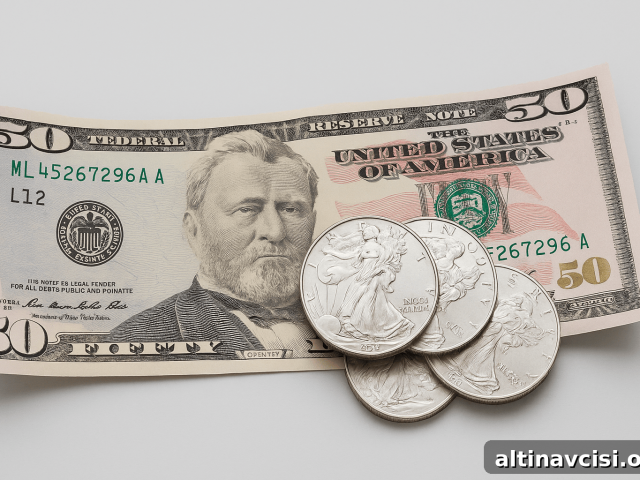
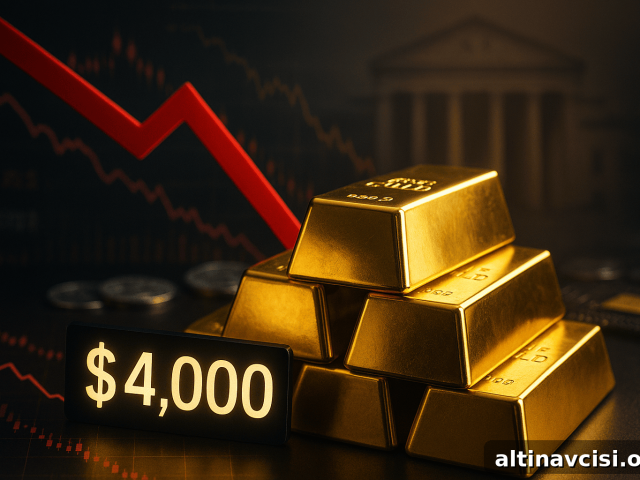
If you follow precious metals markets, you may have observed a recurring, seemingly counterintuitive pattern: gold often rises while silver falls. Although both metals are priced by the ounce and frequently discussed together, they respond to different drivers. Recognizing why they diverge — and what that means for a diversified portfolio — is essential for sound precious metals investing.
Why Do Gold and Silver Move Differently?
Gold and silver are distinct assets with overlapping but not identical investor bases. Gold’s price is shaped largely by investor sentiment, central bank reserves, and macroeconomic uncertainty. Silver shares those financial drivers but has a second, powerful influence: industrial demand. That dual identity is the main reason their prices can diverge.
When geopolitical shocks, banking stress, or currency instability trigger a flight to safety, investors and institutions increase gold holdings. Silver does not receive the same level of safe-haven buying; instead, its price is also tethered to manufacturing and technology use. As industrial output contracts during economic slowdowns, demand for silver falls — often at the same time investor demand for gold rises. The net effect: gold up, silver down.

Your Gold Buying Guide Many investors overpay when buying gold and again when selling. This guide explains what to own and why, helping you avoid common mistakes.
Sign up to receive the guide and market insights directly to your inbox (no third-party scripts required).
The Industrial Factor: Silver’s Double-Edged Sword
Silver’s industrial footprint is broad: solar panels, electric vehicles, semiconductors, medical devices, and general electronics all use silver. That means silver demand is highly cyclical. When manufacturing slows, industrial consumption drops and silver prices can fall sharply.
This industrial exposure helps explain silver’s higher volatility compared with gold. Historically, silver’s annual percentage moves have often exceeded gold’s in both directions. The metal can rally more dramatically during recoveries and decline more steeply during downturns, reflecting its mixed role as both a commodity and an investment asset.
Gold’s demand, by contrast, is primarily financial and therefore structurally more stable. This difference accounts for many episodes where gold holds or gains value while silver struggles.
The Gold-to-Silver Ratio: A Key Diagnostic Tool
A central metric for monitoring divergence is the gold-to-silver ratio: the number of silver ounces required to purchase one ounce of gold. When the ratio widens, it signals that silver is losing value relative to gold; when it narrows, silver is performing better relative to gold.
Investors use the ratio to spot potential mean reversion opportunities. Extreme widenings often indicate that silver has been disproportionately punished and may have room to rebound when economic conditions improve. However, the ratio is an indicator, not a guarantee, and should be combined with other analyses and risk management techniques.
Monetary Policy and the Safe-Haven Premium
Monetary policy affects both metals, but in different ways. Rising interest rates raise the opportunity cost of holding non-yielding assets, putting pressure on gold. Yet in times of deep financial stress, gold’s safe-haven premium often overrides rate effects, keeping demand strong.
Silver suffers more during tightening cycles because higher rates tend to slow industrial activity and reduce investment flows simultaneously. Conversely, when central banks ease policy, both metals can rally — but silver frequently gains faster due to its smaller market size and heavier industrial weighting.
What Should Investors Do When This Divergence Happens?
First, remain calm and avoid reactionary moves. A divergence where gold rises and silver falls is not, by itself, a reason to abandon silver. Instead, it can be a strategic opportunity — particularly if the gold-to-silver ratio has stretched toward historic extremes.
Your decision should reflect your risk tolerance:
Conservative investors: Favor gold as the core of a precious metals allocation because of its relative stability. A larger gold weighting with smaller silver exposure helps protect capital during uncertainty.
Moderate investors: Use divergence as a chance to rebalance. Combining gold for stability and silver for upside potential creates diversified exposure across different scenarios.
Aggressive investors: Consider a tactical entry into silver during sharp selloffs relative to gold. Silver has a history of strong rebounds in recovery phases, but this approach requires conviction and careful position sizing.
Across all profiles, dollar-cost averaging helps manage silver’s volatility. Building a position gradually avoids the risk of mistiming short-term swings and supports a longer-term investment horizon.
The Bigger Picture: Why Both Metals Still Matter
Divergence between gold and silver doesn’t mean one metal is superior in every circumstance. Rather, each serves a different role: gold anchors portfolios during turbulence while silver can amplify returns during recoveries. Used together, they form a complementary pairing that provides both stability and upside potential.
Looking ahead, central bank policy, growth in green-energy demand for silver, and evolving geopolitical dynamics will continue to influence both metals. These shifting fundamentals will keep creating both risks and strategic opportunities for investors prepared to align allocations with market phases.
Key Takeaways
- Silver can fall while gold rises because silver faces industrial demand risk that gold does not.
- The gold-to-silver ratio helps diagnose divergence and potential mean reversion, but it is not a guaranteed timing tool.
- Monetary tightening and economic slowdowns tend to hit silver harder due to reduced industrial activity.
- Intra-year ratio extremes can exceed year-end values; such extremes often present tactical opportunities for allocation adjustments.
- Divergence periods may offer strategic buying opportunities in silver for investors with appropriate risk tolerance.
- A balanced allocation — gold for stability, silver for growth potential — remains a resilient long-term approach.
SOURCES
1. World Gold Council — Gold price data and historical performance
2. World Gold Council — Gold demand trends
3. The Silver Institute — Silver supply and demand reports
4. The Silver Institute — Industrial demand analysis
5. IRS — Guidance on capital gains and investment income (general tax considerations)
Disclaimer: This article is for informational and educational purposes only and does not constitute investment advice. Past performance is not a guarantee of future results. Consult a qualified financial advisor before making investment decisions.
You May Also Like:
- Why BRICS countries are increasing gold reserves
- Gold price outlook and analyst forecasts for the coming years
- Assessing whether now is a good time to buy gold
- Comparing gold to alternative assets such as cryptocurrencies
- How supply and demand dynamics drive precious metals prices over time
Popular Topics
Picked from the archive
-
01
 Topics
Gold Coins vs Gold Bars: Compare Value, Liquidity and Costs
-
02
Topics
Silver Price Hits $50 as Morgan Stanley Allocates 20% to Gold
-
03
Topics
HSBC Survey: Investors Double Gold Allocations as Markets Falter
-
04
Topics
Wall Street Whiplash: Stocks Rally on CPI, Plunge on PPI Shock
-
05
Topics
Gold Price Support Shifts After Ceasefire Violation
-
06
Topics
Gold Prices Jump Past $4,000 as Fed Signals Rate Cut
-
07
Topics
Why Gold Is Outperforming Nvidia in 2025
-
08
Topics
High Earners Falling Behind on Credit Cards and Auto Loans