IMF: Treasuries Are No Longer Safe, Gold Reacted First

Gold and silver market update — April 20, 2026
In this update: The IMF’s notable warning on US Treasuries, the Fed’s pre-decision communication blackout, record mining margins with limited new supply, the diverging East–West gold ETF flows, and why the silver supply deficit is widening despite lower solar demand. Published April 20, 2026.
Why Are Treasuries Losing Their Safe-Haven Status?
On April 15, the IMF issued a clear warning about US government debt dynamics. The so-called “convenience yield” that historically made US Treasuries a preferred safe asset has turned negative. In practical terms, yields on nominal Treasuries now exceed comparable hedged government bonds from other developed economies — not because Treasuries are safer, but because supply has begun to outstrip demand.
The fiscal picture underscores the problem. The US ran a roughly $1.8 trillion deficit in fiscal 2025 and is paying about $1 trillion a year in interest. Gross federal debt has reached about 100% of GDP and, under current trajectories, is projected to rise materially over coming decades. The IMF’s message is blunt: the window for a controlled fiscal adjustment is narrowing.
When investors can no longer rely on Treasuries to provide reliable refuge, capital seeks alternative stores of value. Physical gold is unique because it has no balance sheet and cannot be diluted by policy choices. That feature matters more when trust in sovereign balance sheets is weakening — it shifts the narrative about why and how investors allocate to precious metals.
What Does the Fed’s Silence Mean for Gold Prices?
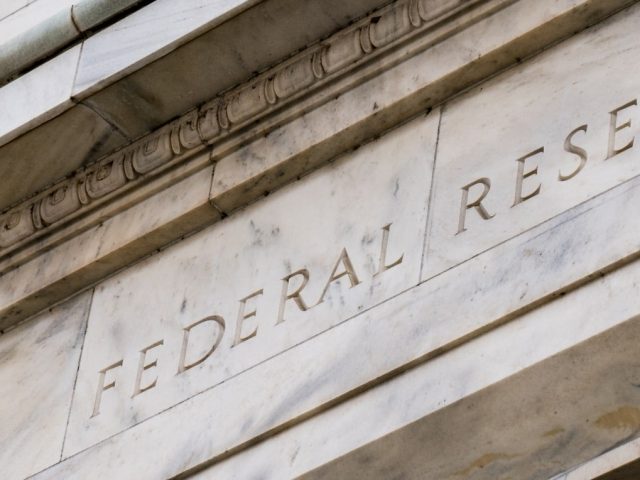
The Federal Reserve began an official communication blackout on April 18 ahead of its April 28–29 meeting. That gag period prevents public comments from officials until after the rate decision. Market pricing currently assigns a very high probability that policy rates will be unchanged at that meeting.
But the central variable for gold is not simply the decision itself — it is what Chair Powell and the Fed communicate about the path forward. The most recent inflation data showed headline CPI rising to 3.3% year-over-year in March, up from 2.4% in February. Major banks and analysts are increasingly forecasting a prolonged period of steady rates, with some scenarios delaying additional moves until well into 2027. At the same time, dissent within the FOMC highlights differences about future direction; a minority of policymakers have expressed preference for easing sooner.
That mix — inflation stubbornly above target, growth losing momentum, and real purchasing power eroding slowly when rates remain high — creates a backdrop that can support gold. If the Fed signals extended rate stability while inflation stays elevated, gold’s case as an inflation hedge and a store of value strengthens.

The Edge Every Investor Needs
Smarter precious metals investing starts here. The Nuggets Newsletter delivers timely market analysis, Fed updates, global trends, and educational resources.
Why Aren’t Gold Miners Building New Mines at Record Profits?
S&P Global estimates that gold mining margins in 2026 will be near record levels, driven by a strong price environment and slightly lower all-in sustaining costs. Despite unusually high profitability — margins measured in dollars per ounce that are historically large — new mine supply is rising only modestly this year.
The industry’s restraint is a deliberate strategic choice. Many producers who suffered the prolonged downturn after the 2011–2015 cycle are prioritizing returns to shareholders through buybacks and dividends rather than committing to long, capital-intensive mine builds. Instead of greenfield development, large miners are buying smaller producers and reserves through mergers and acquisitions. In 2025, deal values reached their highest levels since 2010 as companies locked in proven resources without the decade-long time and cost risks of new construction.
This discipline creates a structural constraint on future supply. It may not move spot prices immediately, but over a multi-year horizon, restrained investment in new production can tighten the physical market and support higher prices.
Why Did Asia Buy Every Ounce of Gold the US Sold in March?
March brought the largest monthly outflow ever from North American gold ETFs, driven by a combination of rising rate expectations, a stronger US dollar, fading hopes for near-term rate cuts, and risk-off moves as investors sought liquidity amid regional geopolitical tensions. That outflow totaled about $13 billion and ended a sustained period of Western buying.
Asia moved in the opposite direction. The region posted record quarterly ETF inflows, driven largely by China, where investors added substantial metal holdings. Local drivers included safe-haven demand, weaker domestic equities, and currency depreciation pressures. Overall, global ETFs still recorded net inflows for the quarter because Asian accumulation offset Western selling.
The contrast is instructive: Western flows tend to respond quickly to macro and rate expectations, while Asian investors often accumulate on currency weakness, market dislocations, or longer-term scepticism about fiat. When Western traders sell into short-term events, Eastern buyers frequently step in — a behavioral dynamic that helps maintain a rising price floor over time.
Why Is the Silver Supply Deficit Widening While Solar Uses Less of It?
The World Silver Survey 2026 reported that improvements in solar panel manufacturing — primarily reduced silver loading per panel — cut industrial silver demand from the PV sector by roughly 3% in 2025, with expectations for further declines in 2026. More panels are being installed globally, but each requires less silver as manufacturers optimize designs and reduce costs.
Despite that decline from the largest industrial buyer, the overall silver market recorded its fifth straight annual deficit in 2025, amounting to more than 40 million ounces. Analysts now forecast another deficit for 2026, potentially larger still. The reason: emerging technologies and sectors — notably AI hardware, electric vehicles, and 5G infrastructure — are absorbing substantial additional silver demand. These uses more than offset the reduction from solar.
Prices have corrected from their January peak, trading well below the record high set earlier in the year. Yet the physical market continues to show persistent structural shortfalls. That disconnect between current spot pricing and multi-year supply deficits is central to the long-term investment thesis for silver.
SOURCES
1. Reuters — Commodities Markets: Gold and Precious Metals Coverage
2. Trading Economics — Gold Spot Price and Market Data
3. World Gold Council — Gold Demand Trends: Q4 and Full Year 2025
4. World Gold Council — Gold Price Returns and Historical Data
5. Morningstar — Comparative Drawdown and Inflation Analysis
6. CoinMetrics — Market Data and Volatility Insights
7. State Street Global Advisors — Gold vs Bitcoin Performance During Stress
8. Bloomberg — Commodities Markets and ETF Flows
9. JP Morgan Global Research — Gold Price Forecast and Commodities Outlook 2026
By the GoldSilver Editorial Team — helping investors understand sound money since 2005. This article is informational only and does not constitute financial, investment, or tax advice. Consult a qualified financial advisor before making investment decisions.
You May Also Like:
- Gold Price After Ceasefire Violation: The Floor Has Moved
- Oil Crashed 11%. Gold Went Up. That Tells You Everything.
- $1 Trillion in Debt Interest Is Why Gold Keeps Climbing
- 5 Signals That Say Gold’s Bull Case Just Got Stronger
- The Largest Gold ETF Outflow Ever – But China Disagrees
- Silver Market Deficit 2026: Six Years and Getting Worse
- Is the Petrodollar Ending? What the Iran War Means for Gold
- France’s Gold Repatriation Is Done. Germany Is Next
Popular Topics
Picked from the archive
-
01
 Topics
Wall Street Whiplash: Stocks Rally on CPI, Plunge on PPI Shock
-
02
Topics
Gold Drops 19%: $3.8B Investor Bet Says It Won’t Matter
-
03
Topics
Fed Chair to Announce Policy Overhaul Amid Trump Pressure
-
04
Topics
Major Banks Now Converge on 2026 Gold Price Near $4,500
-
05
Topics
Gold Prices Fall as CPI Doubts Spur Profit-Taking
-
06
Topics
Tariffs Hit Crypto, Gold Holds 4,100, Silver Squeeze Deepens
-
07
Topics
Gold Coins vs Gold Bars: Compare Value, Liquidity and Costs
-
08
Topics
Why China’s Silver Imports Soared to a Record in 2026