How to Buy Silver Bars: Investor Guide to Price and Purity
If you’re considering buying silver bars, you’re already thinking about physical silver the right way.
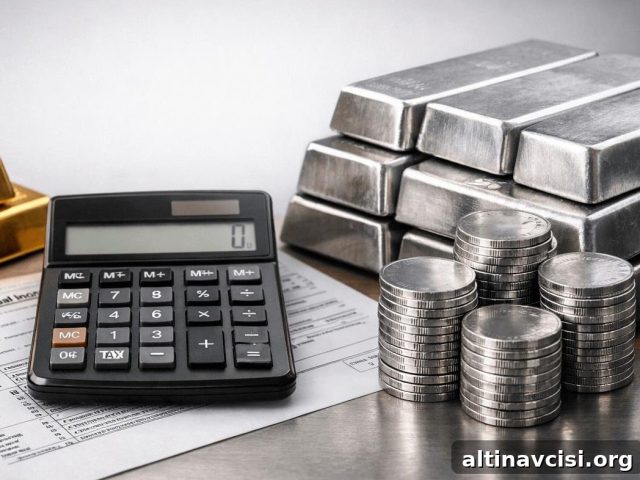
Silver bars are the most cost-efficient method to own physical silver — they carry lower premiums than most coins, are available in sizes ranging from 1 oz to 1,000 oz, and can be IRA-eligible when they meet purity and refiner standards. At the same time, the global silver market has been drawing down above-ground inventories and is projected to record a sixth consecutive annual supply deficit in 2026. Those ounces taken from inventory are not likely to return quickly, which matters for long-term buyers.
As of April 2026 silver trades near $80 per ounce, down from the January 29, 2026 all-time high of $121.67. For long-term investors, a roughly 34% pullback within a structural supply deficit is often an entry opportunity rather than a deterrent. This guide explains bar types, typical sizes and premiums, storage options, IRA eligibility, and what to watch for when purchasing silver bars.
What Are Silver Bars?
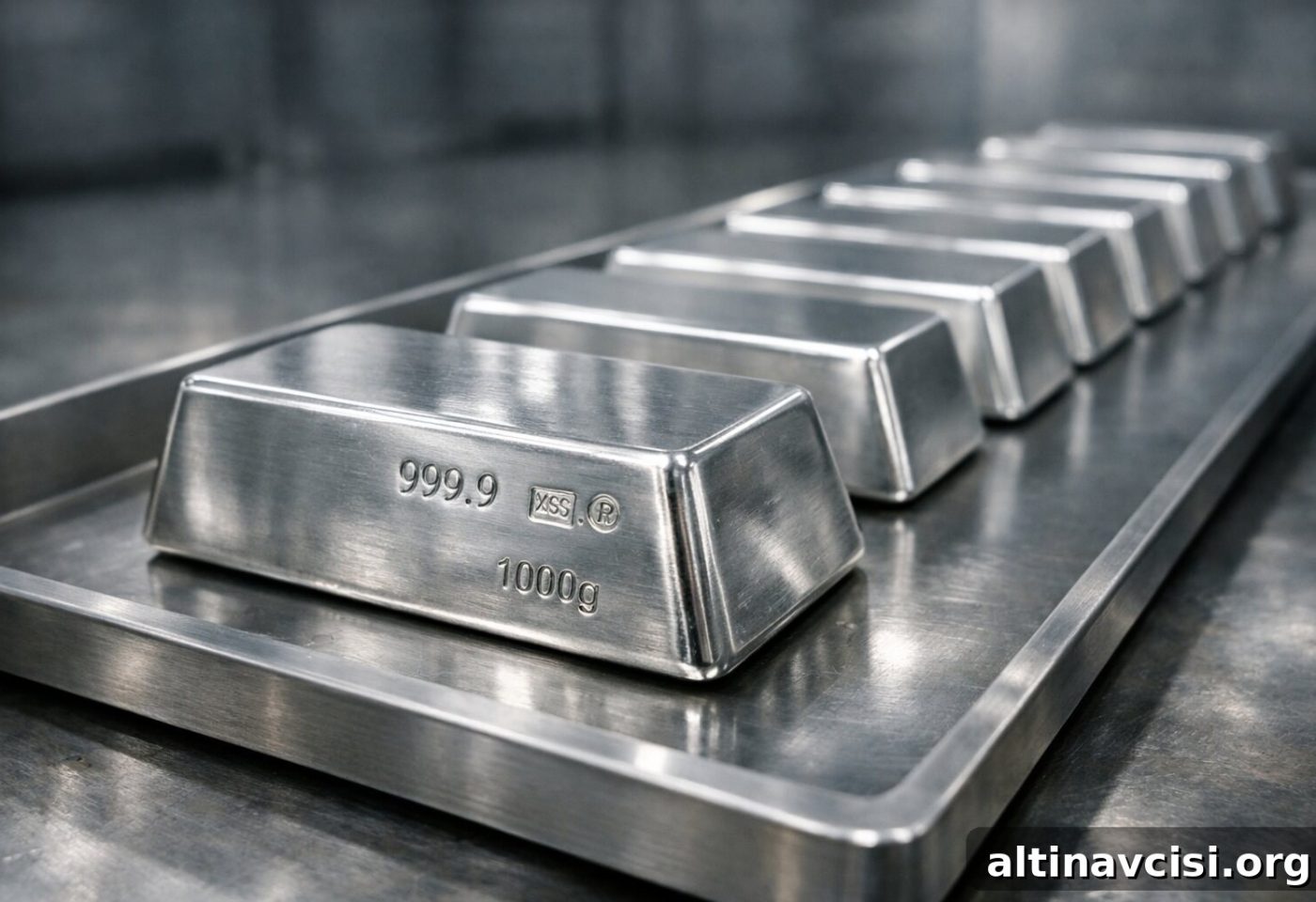
A silver bar is a refined piece of silver, typically graded .999 fine (99.9%) or .9999 fine (99.99%). Each bar is usually stamped with its weight, purity, and the refiner’s name. Unlike coins, bars have no face value or collectible premium; nearly every dollar you pay goes into the metal itself rather than design or packaging.
Reputable bars are produced by LBMA-accredited refiners and major mints, which ensures wide recognition and easier resale. LBMA accreditation is the global standard for market-accepted quality and liquidity.
Your Gold Buying Guide Most investors overpay when they buy gold and often overpay again when they sell. This guide explains what to own and why.
Silver Bars or Silver Coins — Which Is the Better Buy?
On cost, bars generally win. A typical 10 oz silver bar carries a premium of about 3–5% over spot price, while government-minted coins such as Silver Eagles or Maple Leafs often trade for 8–12% or more above spot. On a sizable allocation, that spread can amount to hundreds or thousands of dollars that never become metal.
Coins do offer one clear strength: global recognition. Widely recognized coins are easier to sell quickly in small quantities. But if your priority is maximum silver weight for minimum cost, bars are usually the most efficient option.
Which Silver Bar Size Is Right for You?
Choosing the right bar size depends on budget, storage, and how you plan to liquidate. Here’s a quick comparison:
1 oz bars carry the highest per-ounce premiums, typically 5–8%, but offer maximum flexibility. They are easy to sell in parts, easy to gift, and simple to transport.
10 oz bars are the sweet spot for many buyers: lower premiums (about 3–5%), easy handling, and broad acceptance among dealers for buyback.
100 oz bars (around 6.8 lbs) appeal to investors making larger deployments. Premiums drop further to roughly 1–3%, but divisibility is the trade-off — selling often requires moving the whole bar.
1,000 oz “Good Delivery” bars are the institutional standard for banks, refiners, and major dealers. At current spot prices, a single bar is worth tens of thousands of dollars and is typically impractical for retail investors unless held in allocated institutional storage.
For most individual investors, 10 oz bars strike the best balance of cost, storage convenience, and liquidity.
What Should You Look for When Buying Silver Bars?
Buying silver bars is straightforward, and common mistakes are avoidable if you check a few key items:
Verify the premium in real time: The premium is the amount above live spot price you pay. Check a live price feed and calculate the total cost per ounce before you buy. Reputable dealers will display these numbers clearly.
Stick to LBMA-accredited refiners: Bars from well-known refiners or government mints enjoy stronger resale recognition. Generic or unknown refiners may be harder to resell or discounted by dealers.
Calculate total cost, not just premium: Shipping, insurance, and payment fees add to the effective price. Many sellers offer discounts for bank transfer payments, which can lower transaction costs.
Check packaging and assay cards on smaller bars: Bars of 10 oz and under from major producers often arrive sealed in tamper-evident assay packaging. That packaging aids resale; unsecured bars without original packaging can fetch discounts even when genuine.
Use live-price comparison tools from reputable dealers to identify competitive premiums before committing. Comparing multiple sources helps ensure you get a fair price.
Why Is Silver Worth Buying Right Now?
The supply story is the most compelling near-term argument for silver. The market is forecast to record its sixth consecutive annual deficit in 2026, with projected shortfalls measured in tens of millions of troy ounces. From 2021 through 2025, cumulative deficits forced the industry to draw down substantial above-ground inventories.
This shortage is largely structural: around 70% of silver is produced as a byproduct of base-metal mining (lead, zinc, copper). Because most silver comes as a secondary output, higher silver prices alone do not rapidly generate new primary silver supply. That inelasticity helps explain why deficits can persist.
At the same time, industrial demand is significant and growing. Silver is used in solar panels, electric vehicles, electronics, data centers, and communications infrastructure. Industrial use accounted for a majority of global consumption in recent years, and growing investment demand has added further pressure on available physical metal.
Price action also matters: a sharp correction after an all-time high can provide a buying opportunity for investors focused on the long term. Historical relationships, such as the gold-to-silver ratio, sometimes signal periods when silver may outperform, but those indicators are tools, not guarantees.
How Should You Store Silver Bars?
Storage choices depend on how much you own and whether the metal sits inside a retirement account.
Outside an IRA: A high-quality home safe (bolted down and rated for fire) can be suitable for modest holdings, generally under roughly $50,000. For larger holdings, professional allocated storage in insured vaults becomes more practical. Allocated storage fees usually run in the range of 0.5–1% of metal value per year and include insurance.
Inside a Self-Directed IRA: IRS rules require all precious metals held in an IRA to be stored by a qualified custodian at an approved depository. Home storage or personal safe deposit boxes are not permitted for IRA holdings and can trigger adverse tax consequences. To be IRA-eligible, bars must meet minimum purity (.999 fine) and be produced by an approved government mint or accredited refiner. Confirm eligibility with your custodian before purchasing.
Also consider silver’s bulk: a 100 oz bar weighs about 6.8 pounds, so large allocations occupy significant space. Plan storage ahead of purchase to avoid surprises.
People Also Ask
What is the best size silver bar to buy?
For most investors, 10 oz bars are the best compromise between low premium, easy storage, and resale liquidity. 1 oz bars cost more per ounce but are highly divisible; 100 oz bars lower per-ounce costs but reduce flexibility.
Are silver bars a good investment?
Silver bars offer a low-cost way to hold physical metal without counterparty risk. They do not produce income and can be volatile. Many investors hold silver as a hedge against currency depreciation and to diversify portfolios, particularly when supply-demand fundamentals are tight. Speak with a qualified financial advisor to assess suitability for your situation.
How much over spot should I pay for silver bars?
Expect roughly 3–5% over spot for 10 oz bars during normal markets and 5–8% for 1 oz bars. Premiums can spike in stressed markets, so include shipping and fees when comparing offers.
What purity do silver bars need to be for an IRA?
IRS guidance requires silver in a Self-Directed IRA to be at least .999 fine and produced by an approved mint or accredited refiner. Home storage for IRA metals is not permitted.
How do I know if a silver bar is real?
Buy from reputable dealers who source bars from accredited refiners. Original sealed assay packaging is the clearest signal of authenticity. For unsealed bars, professional assaying or verification by a reputable dealer is a prudent step. If a price appears far below market, it is likely not legitimate.
What Should Serious Silver Buyers Do Next?
If you want efficient physical exposure to silver, bars are one of the most straightforward ways to own metal outside the financial system. Prioritize purchases from LBMA-accredited refiners or major mints, choose bar sizes that match your capital and storage plan, and confirm IRA eligibility with your custodian if you plan to use retirement accounts.
The 2026 supply-demand backdrop remains notable: ongoing supply deficits, tightening inventories, and solid industrial and investment demand create a foundation many long-term buyers find compelling. Buy within your means, focus on verifiable sources, and plan storage before you purchase.
SOURCES
1. London Bullion Market Association — Good Delivery Silver Current List
2. Silver Institute — Silver Supply & Demand and World Silver Survey 2026
3. Internal Revenue Service — IRS Publication 590-A: Contributions to Individual Retirement Arrangements
Disclaimer: This article is for informational and educational purposes only and does not constitute investment advice. Past performance is not a guarantee of future results. Consult a qualified financial advisor before making investment decisions.
You May Also Like:
- Why Silver Falls While Gold Rises: What It Means for You
- Gold Price Forecast 2026–2027: Key Predictions from Top Analysts
- Is Now a Good Time to Buy Gold? Here’s the Macro Case
- Is Gold a Better Investment Than Bitcoin Right Now?
- What the Silver-to-CPI Ratio Reveals That Spot Price Hides
- Gold & Silver Supply and Demand: What Really Drives Prices Over Time
- Dow to Gold Ratio: 100 Years of History Decoded
- How the 50 Day SMA Helps You Understand Gold & Silver
Popular Topics
Picked from the archive
-
01
 Topics
How the IRS Taxes Gold vs Silver
-
02
Topics
Gold vs Silver: Which Metal Fits Your Portfolio?
-
03
Topics
Gold Prices Surge as Iran War Escalates
-
04
Topics
Robust Jobs Report and Higher Yields Put Pressure on Gold
-
05
Topics
How COMEX Sets Gold Prices and Moves Global Markets
-
06
Topics
Will Policy Reversal Move Gold? Conflict Pressure Index Insight
-
07
Topics
World Gold Council: Gold Eyes $3,351 as Triangle Break Nears
-
08
Topics
High Earners Falling Behind on Credit Cards and Auto Loans