Is Now the Time to Buy Gold? Investor Mistakes to Avoid

If you’ve been asking yourself “Is now a good time to buy gold?”, you’re not alone. That question is valid, but it’s incomplete. The critical concerns are not only when to buy, but why you want gold, how you plan to own it, and how much to hold. A well-timed purchase can still underperform if those three elements are wrong.
This guide cuts through the noise to explain the practical factors that should determine a smart gold allocation, including often-overlooked details that change how investors should think about timing, vehicle, and sizing.
What Most Investors Get Wrong About Gold Timing
The most common mistake is treating gold like a stock you try to time for a quick gain. Gold is primarily a wealth-preservation asset, not a growth instrument. It doesn’t pay dividends or compound the way equities do. Historically, gold holds purchasing power over time and acts as a hedge against inflation, currency depreciation, and systemic financial stress. Since 2000, gold has shown strong long-term returns, albeit with meaningful annual volatility.
So instead of asking “Should I wait for a lower price?”, ask whether the macro conditions that support gold — inflation risk, monetary uncertainty, and geopolitical tensions — are present. Those conditions have been common since 2020 and remain relevant today.
How Gold Performs During Economic Uncertainty and Inflation
Gold tends to do well during turbulent periods. For example, in 2020, amid the global pandemic, gold returned strongly for the year, while silver experienced larger swings—illustrating silver’s higher volatility and asymmetric upside potential. Broadly, gold often rises when:
- Inflation is elevated — fiat currency purchasing power falls, while gold’s real value tends to persist.
- Interest rates are uncertain — unclear central bank policy drives demand for safe-haven assets.
- Geopolitical tensions increase — gold is a globally recognized, non-sovereign store of value.
- Equity markets are volatile — gold’s low correlation with stocks helps stabilize portfolios.
These are practical, observable drivers that explain why many investors turn to gold during periods of doubt or stress.

What Happened in 1971?
The guide that explains the moment our financial system changed.
Free guide available. Sign-up form has been removed from this version.
The Key Factors Most Investors Overlook
Beyond timing, three practical factors are frequently underweighted when investors build a precious metals allocation: the gold-to-silver ratio, the choice of investment vehicle, and the size of the allocation. Addressing these three elements improves the odds that precious metals will meet your portfolio objectives.
1. The Gold-to-Silver Ratio
The gold-to-silver ratio measures how many ounces of silver it takes to buy one ounce of gold. In normal conditions in recent decades it has generally moved between roughly 50:1 and 80:1, but it can spike in crises. For example, the ratio reached extreme levels during March 2020 as investors fled risk assets. When the ratio is elevated, silver may be relatively undervalued versus gold — a signal some investors use to adjust allocations. Understanding this ratio gives you a clearer view of both metals, not just gold alone.
2. The Investment Vehicle Matters as Much as the Metal
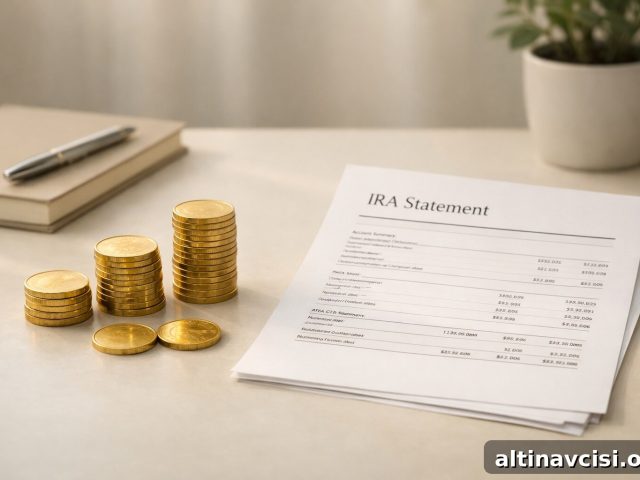
“Buying gold” can mean several things: owning physical coins or bars, buying ETFs, investing in mining stocks, or holding metals inside a Gold IRA. Each option carries different trade-offs. Physical gold removes counterparty exposure but requires secure storage. ETFs provide liquidity and ease of trading but can introduce counterparty and tracking risk. Mining stocks offer leveraged exposure but bring company-specific risks. Choose the vehicle that matches your goal—whether that is immediate liquidity, long-term tax-advantaged retirement savings, or direct ownership.
3. Allocation Size — Not Too Little, Not Too Much
Allocating too little to precious metals leaves a portfolio underprotected; over-allocating during panic-driven spikes exposes you to timing risk. Conventional frameworks suggest a precious-metals allocation between 5% and 15% of portfolio value, scaled to risk tolerance. Typical allocations by investor type often look like this:
| Investor Profile | Gold Allocation | Silver Allocation |
| Conservative | 8–10% | 2–3% |
| Moderate | 5–8% | 3–5% |
| Aggressive | 3–5% | 7–10% |
Gold typically functions as the portfolio stabilizer, while silver can add higher upside potential due to its industrial demand, notably from sectors like solar and electronics.
Is Gold or Silver a Better Investment Right Now?
For most long-term strategies, both metals have roles. Gold is the conservative anchor—lower volatility and a long record as a store of value. Silver is higher risk with higher upside, driven by both investment flows and growing industrial demand. A balanced precious-metals allocation usually positions gold as the foundation and silver as a complementary holding rather than a replacement.
How Do You Start Investing in Gold?
- Define your goal — Are you hedging inflation, diversifying away from equities, or building a long-term reserve? Your objective determines the best vehicle.
- Choose your vehicle — Physical coins and bars avoid counterparty risk. ETFs provide liquidity. Gold IRAs offer tax-deferred retirement benefits. Mining stocks give leveraged exposure but add company risk.
- Start with recognized products — For physical holdings, government-minted coins provide verified purity and broader resale liquidity.
- Dollar-cost average — Build positions gradually to smooth price volatility and avoid emotional market timing.
- Secure your investment — If you own physical metals, arrange appropriate storage: home safes, bank safe-deposit boxes, or professional vault services each have trade-offs in cost and access.
These steps form a practical, repeatable process for most investors starting a precious-metals allocation.
Should You Buy Gold Now? The Honest Answer
Yes—if your goal is long-term preservation, diversification, and hedge exposure. Gold rarely offers a “perfect” entry since its primary value lies in stabilizing portfolios over time rather than delivering short-term gains. Investors who underperform are often those who wait for certainty, over-allocate in panicked moments, or choose vehicles that don’t match their goals. Treat gold as a structural component, not a trade.
Given current macro conditions—elevated debt, geopolitical risk, and ongoing central bank purchases—gold’s long-term case remains supported. Start small, dollar-cost average, and let the fundamentals guide your position over time.
People Also Ask
Is now a good time to buy gold?
For most long-term investors, yes. When inflation is elevated, interest rates are uncertain, and equity markets are volatile, gold typically performs well. Rather than trying to time a perfect entry, consider building a position gradually through dollar-cost averaging.
What do most investors get wrong about buying gold?
They often treat gold like a short-term speculative stock and overlook the importance of the right vehicle. Physical gold removes counterparty risk; ETFs add convenience but introduce different risks; mining stocks bring company-level uncertainty on top of commodity exposure.
How much of my portfolio should be in gold?
Most frameworks recommend 5–15% in precious metals. Conservative investors often hold 8–10% in gold with a small silver allocation; aggressive investors may increase silver exposure for higher upside while keeping gold as the stability anchor.
What is the difference between a Gold IRA and physical gold?
A Gold IRA stores approved physical metals in an IRS-approved depository and provides tax-deferred growth, suited for retirement planning. Direct physical ownership gives immediate control and no counterparty exposure but requires managing storage and security. Many investors combine approaches depending on liquidity and tax needs.
Is gold or silver a better investment right now?
They play different roles: gold is the stability anchor; silver adds higher-risk, higher-reward potential due to industrial demand. For most long-term allocations, gold should be the foundation with silver as a complementary holding.
1. Visual Capitalist / World Gold Council — Gold’s annual return history and analysis.
2. World Gold Council — Historical gold return data.
3. Statista / World Gold Council — Long-term return statistics for gold.
4. Silver Institute — Analysis of silver market dynamics during 2020 and industrial demand trends.
5. Industry price history and supply/demand data for precious metals and related market commentary.
This article is for informational purposes only and does not constitute financial advice. Consult a qualified financial professional before making investment decisions.
You May Also Like:
- Silver Price Floor and market dynamics.
- How dollar devaluation since 1971 has influenced central bank gold purchases.
- Rolling over retirement accounts into precious-metal IRAs.
- Why structural global demand may outpace silver mining supply.
- How real interest rates affect gold prices and investor strategy.
Popular Topics
Picked from the archive
-
01
 Topics
Gold Price Drops Below $5K After Jobs Revisions Roil Markets
-
02
Topics
Will Gold Reach $4,000? Fed Decision and Food Inflation Surge
-
03
Topics
Japan Election Promises and Tariff Fears Rattle Bond Market
-
04
Topics
Gold Prices Slip After Rally as Fed Rate Cut Looms
-
05
Topics
Gold IRA vs Physical Gold: Which Is Right for Your Portfolio?
-
06
Topics
Silver Climbs to $39 as Weak Dollar Sparks Rally
-
07
Topics
Official US Data Show Government Is Insolvent
-
08
Topics
Gold and Silver Prices Today: Fed Moves, Stagflation Outlook