Will Gold Reach $4,000? Fed Decision and Food Inflation Surge
Daily News Nuggets | Today’s top stories for gold and silver investors
September 17th, 2025
Gold Pauses After Record Surge Ahead of Fed Decision
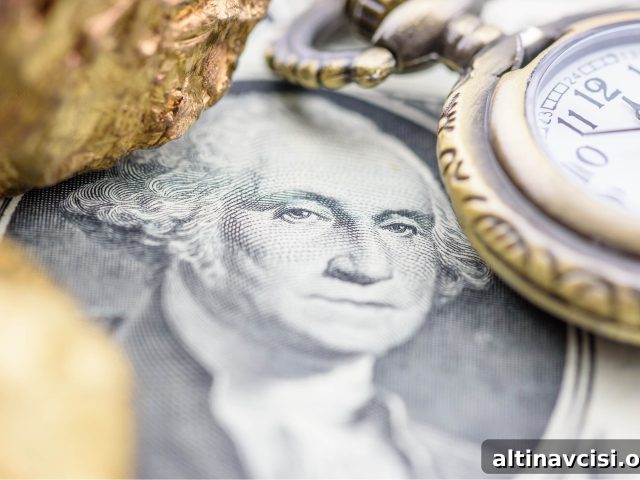
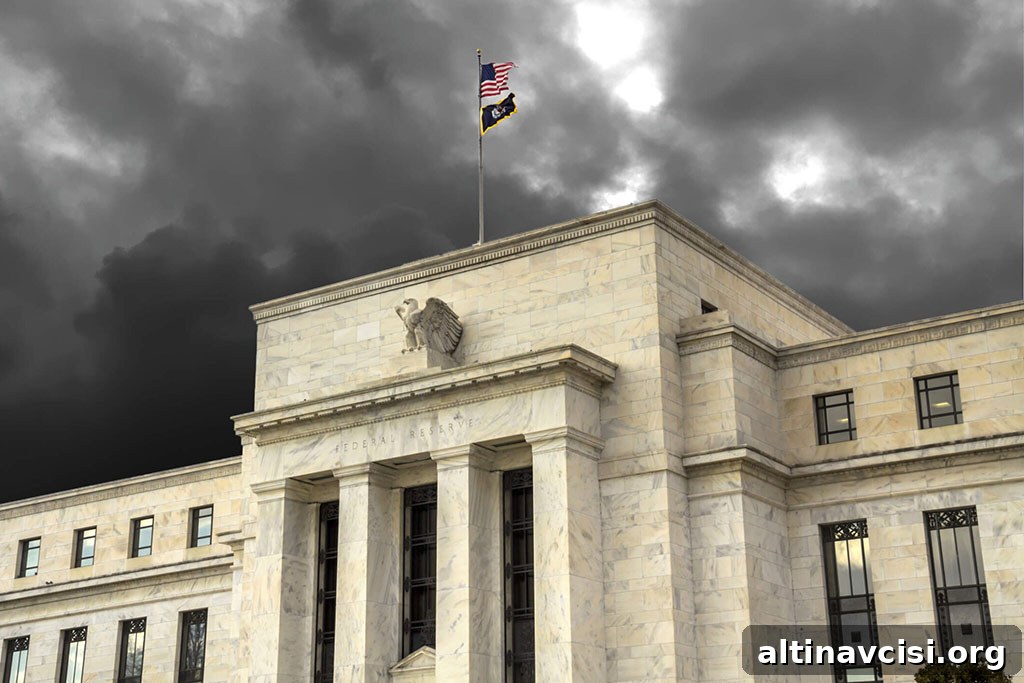
Spot gold eased about 0.7% to $3,663 per ounce today, stepping back from Tuesday’s record peak of $3,703. The modest pullback comes as market attention turns to the Federal Reserve’s rate decision later this afternoon, where traders are pricing in the possibility of the central bank’s first rate cut since 2020. That decision — whether a quarter-point cut, a hold, or a surprising move — could set the tone for the next phase of the metal’s rally.
With real interest rates still in negative territory, any sign of easier monetary policy typically strengthens gold’s appeal as an inflation hedge and safe-haven asset. A dovish Fed could send bullion to new highs as investors seek protection against currency depreciation and policy uncertainty, while a more hawkish or neutral stance might prompt a sharper correction. For bullion investors, the Fed’s language and the outlook for inflation and growth will be as important as the headline move itself.
Trump vs. The Fed: Political Pressure Threatens Central Bank Independence
Political rhetoric is adding another layer of uncertainty. President Trump has intensified criticism of the Federal Reserve and suggested he would replace dissenting officials if given another term. Those statements come even after court rulings limiting a president’s ability to remove Fed governors over policy disagreements. Regardless of legal constraints, suggestions of direct political influence over monetary policy create market unease.
History shows that threats to central bank independence often push investors toward assets without counterparty risk, notably gold. If confidence in the Fed’s independence fades, demand for physical and financial gold instruments could increase as market participants seek a store of value that does not depend on policy reputation. That perception alone can be enough to accelerate inflows into precious metals.
Inflation: Official Numbers vs. Household Reality
Official consumer price data may indicate that inflation is moderating toward 3%, but many households experience a very different reality at the checkout. Staple food prices have risen sharply this year, and those increases bite into household budgets in a way headline inflation rates can obscure. Examples from 2025 include:
- Coffee prices: up approximately 20.9% year-over-year.
- Beef and steak: steak up about 16.6%, roasts about 13.6%, ground beef nearly 13%.
- Eggs: up roughly 10.9%.
- Oranges: about 5–6% higher.
These are everyday items, not luxuries. When food costs and other essentials rise faster than wages, real purchasing power erodes for working families. That lived experience helps explain why many investors turn to gold: over centuries it has been used to preserve purchasing power when paper currency loses value.
Hong Kong Rebuilds Its Gold Hub, Invites China to Center Stage
Hong Kong is positioning itself to be a major gold trading center again, introducing tax incentives, modern clearing and settlement arrangements, and stronger links to China’s market. This effort seeks to streamline cross-border flows and attract both regional and global trading activity. As geopolitical alignments shift and regional financial strategies evolve, physical gold ownership and trading infrastructure in Asia are taking on greater strategic importance.
The expansion of Hong Kong’s role could support sustained demand for physical metal in the region. For investors, a deeper, more liquid Asian gold market matters: it can affect price discovery, availability of physical bars and coins, and the balance between paper and physical markets over time.
Another Banking Giant Goes Bullish: Deutsche Bank Sees $4,000 Gold
Major financial institutions are increasingly turning bullish on gold. Deutsche Bank has raised its forecast, seeing prices potentially reaching $4,000 by late 2026, joining other global banks that have lifted their long-term estimates this year. Analysts cite a combination of negative real rates, sticky inflation, geopolitical uncertainty, and ongoing central bank purchases as the main drivers behind higher price targets.
Perhaps more significant than any single forecast is the broader shift in sentiment among large banks and institutional investors. When traditional skeptics recalibrate their outlooks and recommend larger allocations to gold, it can reinforce momentum and draw fresh capital into both physical and paper gold markets.
Overall, the current backdrop — central bank policy uncertainty, political pressure on monetary authorities, persistent price pressures at the household level, and a restructuring of global gold market infrastructure — creates a complex but bullish environment for precious metals. Investors considering exposure should weigh macro drivers, liquidity conditions, and the form of holding (physical metal versus ETFs or mining equities) that best fits their objectives and risk tolerance.
Popular Topics
Picked from the archive
-
01
 Topics
Harvard 51B Endowment Sells Tech, Buys Gold and Crypto
-
02
Topics
Tariff-Driven Inflation Clouds Fed’s September Rate Decision
-
03
Topics
Investors Flock to Gold Amid Trade Tensions and Weak Jobs Data
-
04
Topics
ETF Inflows Propel Gold Demand to Highest H1 Levels Since 2020
-
05
Topics
Russia Taps $1B Chinese Gold Market Amid Geopolitical Shift
-
06
Topics
Gold Has Matched Stock Returns Since 1971: Why It Matters
-
07
Topics
BIS Warns Fed Faces Impossible Choice as Tariffs Risk Inflation
-
08
Topics
India Gold Demand Drops Further Amid Soaring Asian Prices