Gold Price Drops Below $5K After Jobs Revisions Roil Markets
Daily News Nuggets | Today’s top stories for gold and silver investors
February 17th, 2026 | Brandon Sauerwein, Editor
The Jobs Report Mirage: Strong Headline, Weaker Reality
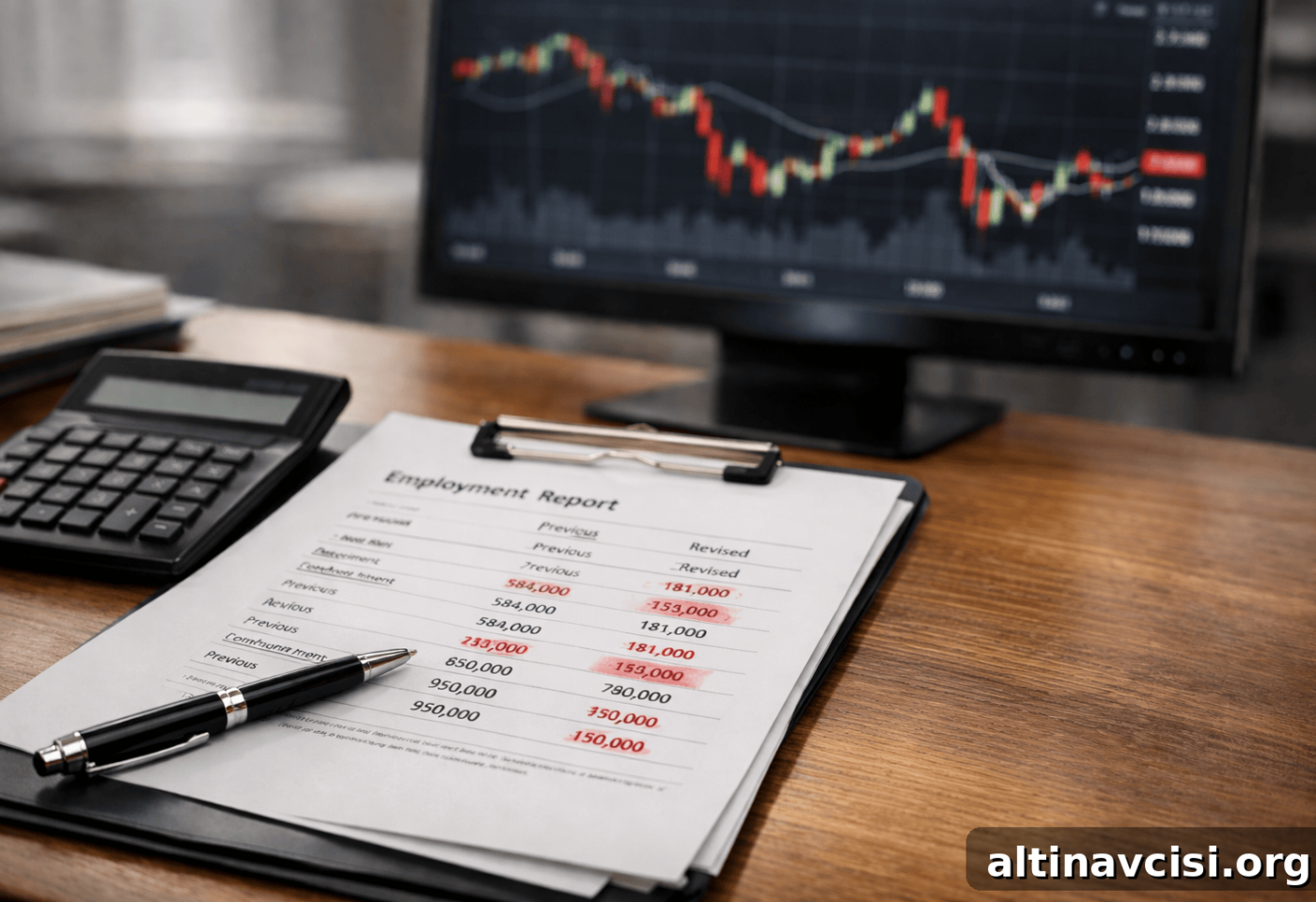
January’s headline payroll gain of 130,000 hides a more important development: sweeping benchmark revisions that substantially reduced reported 2025 payroll growth. Previously published gains of roughly +584,000 have been revised down to about +181,000, and March payrolls were adjusted lower by nearly 900,000. These revisions change how we view recent labor market resilience.
Put simply, the labor market does not appear to be collapsing, but it may be operating in a slower hiring environment often described as a “jobless expansion” — where overall output can grow while hiring lags. Official unemployment edged down to 4.3%, yet certain groups, including younger workers and Black workers, have experienced larger increases in joblessness than the headline number implies.
Inflation expectations remain elevated around the 3% area, and newly implemented tariffs are adding cost pressure for businesses and consumers. With nearly all tariff costs ultimately borne by domestic firms and households, policymakers confront a difficult trade-off: cooling employment without allowing inflation to stay uncomfortably high. That dynamic will shape Fed deliberations and market positioning in the months ahead.
Our focus now is whether the U.S. economy stabilizes at this more modest pace of hiring — or whether the revised data point toward a quietly more fragile backdrop that could alter growth, inflation, and portfolio decisions.
The Edge Every Investor Needs
Smarter precious metals investing starts here. The Nuggets Newsletter delivers market insights, Fed coverage, global trends, and concise educational content designed for gold and silver investors.
Gold Dips Below $5,000 as Markets Reassess Risk
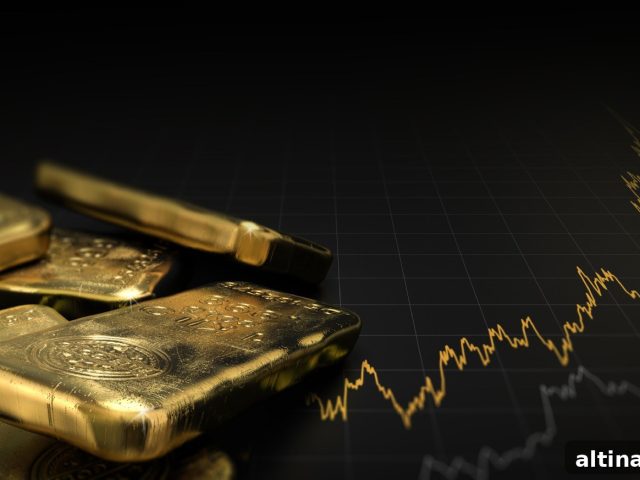
Gold briefly fell under $5,000 after a strong run that earlier in the year pushed prices close to $5,600. The pullback reflects a period of profit-taking and repositioning as investors reassess near-term risks and portfolio allocations.
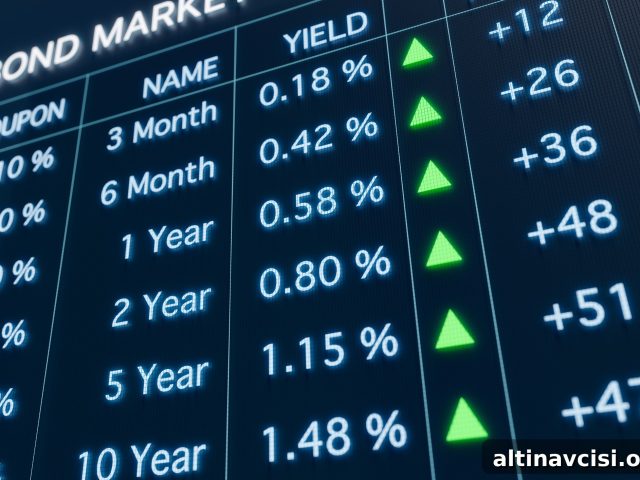
The fundamental drivers supporting elevated gold remain in place: ongoing geopolitical tensions, persistent inflation pressures, and rising public debt across many economies. Bond yields have shown volatility, equity markets still trade at elevated valuations, and fiscal deficits continue to broaden — all factors that can sustain demand for safe-haven assets.
Gold and Silver Prices Three Month Chart
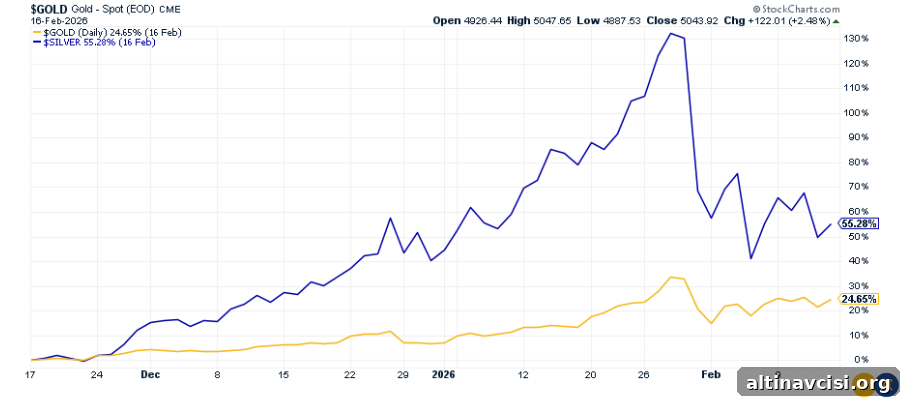
This episode is about more than price swings; it highlights strategic positioning. Many investors are treating gold as a portfolio stabilizer in an environment where policy uncertainty has not dissipated. The central question for investors is not just short-term momentum but whether traditional asset mixes are sufficient when structural risks — fiscal strain, geopolitical fragmentation, and inflation — persist.
While gold remains elevated relative to historical norms, consensus is mixed on whether this marks the start of a broad commodities boom or a targeted rally driven by reserve flows and monetary considerations.
Goldman Sachs: This Is a Gold Rally — Not a Commodity Supercycle
Gold’s advance has prompted talk of a new commodity supercycle, but Goldman Sachs cautions that the current move looks distinct from past broad-based booms. The bank argues the rally is primarily shaped by structural forces — central bank purchasing, geopolitical fragmentation, and sovereign reserve diversification — rather than synchronized global demand growth for raw materials.
Unlike classic supercycles, energy and industrial metals have not shown the same sustained strength. That difference matters: a supercycle implies years of rising prices across many commodities driven by booming demand, whereas a gold-specific rally can persist even if global growth moderates, because it is tied to monetary and geopolitical dynamics.
For investors, the implication is clear: expect gold to behave as a strategic hedge in many scenarios, but do not assume every commodity will follow. Positioning should reflect this nuance rather than a blanket bet on all raw materials.
Gold to $6,000? Analysts Debate the Next Big Move
Gold’s rally has produced a wide range of forecasts. Some portfolio managers argue the metal could reach $6,000 by year-end, citing persistent central bank accumulation and what they perceive as weakening confidence in dollar-denominated assets. Those views rest on the idea that major central banks will continue buying gold as part of reserve diversification strategies.
Other analysts take a more conservative stance, projecting prices in a $4,000–$5,500 band over the next 12–18 months, with outcomes depending on the pace of interest rate cuts, growth trajectories, and shifts in real yields. Across forecasts, central bank demand and fiscal dynamics are consistently cited as key support pillars.
While exact price targets differ, a common theme emerges: most forecasters do not anticipate a dramatic, sustained collapse in gold prices. The debate centers on the magnitude and speed of any further gains rather than on whether gold will retain structural support in a complex macro environment.
Sweden Reopens Debate on Joining the Euro
Sweden has again opened discussion about whether to adopt the euro, reflecting how shifting geopolitical dynamics and concerns about global stability are prompting a reassessment of long-standing currency choices. Although Swedes voted against euro membership in a 2003 referendum, recent events have changed the strategic context.
Russia’s war in Ukraine, Sweden’s accession to NATO, and deeper ties with European institutions have led some policymakers and commentators to revisit the benefits and costs of joining the euro. Proponents suggest euro adoption could strengthen Sweden’s position within Europe and reduce exchange-rate volatility for a relatively small currency that is sensitive to external shocks.
No formal referendum is imminent, but the renewed debate signals a broader point: in an unsettled international environment, even long-standing monetary arrangements are being reconsidered, and such discussions can have implications for financial markets and currency-sensitive assets.
You May Also Like
- Gold Near $5,000 as Fed Faces Sticky Inflation
- Markets Eye Friday’s CPI; Credit Card Debt Hits a Record High
- Silver Volatile, Gold Resilient After January Jobs Surprise
- Silver’s 7% Bounce Sparks Bullish Calls
- Gold Holds Above $5,000 as Hedge Funds Brace for Turbulence
Popular Topics
Picked from the archive
-
01
 Topics
Japan Election Promises and Tariff Fears Rattle Bond Market
-
02
Topics
Global Oil Prices Steady as Travel Demand Rises, Sanctions Loom
-
03
Topics
Gold Holds Above $5,000 as Hedge Funds Brace for Volatility
-
04
Topics
Why Central Banks Are Buying Gold Amid Market Turmoil
-
05
Topics
Gold Hits $4,000: Wake-Up Call for Markets and Policymakers
-
06
Topics
Oil Price Rebounds to $69 as US-EU Trade Deal Nears
-
07
Topics
Gold Prices Surge as Middle East Tensions Escalate
-
08
Topics
Rare Earth Metals Driving the Global Economy