Gold and Silver Prices Today: Fed Moves, Stagflation Outlook
What Are Gold and Silver Prices Today?
Below is a concise update on what moved gold and silver prices and the factors to watch as markets head into mid‑week. Precious metals have shown significant volatility in recent sessions, responding to currency moves, geopolitical tensions and evolving expectations for U.S. monetary policy.
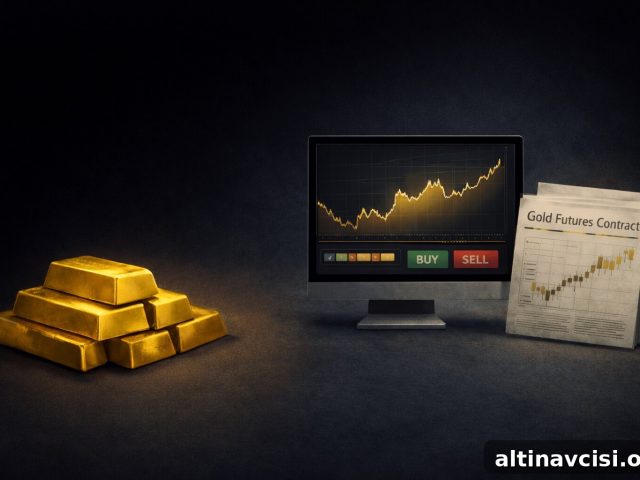
On Monday gold pulled back, briefly dipping below the psychologically important $5,000 level after a period of strength earlier this year. That retreat was largely driven by a firmer U.S. dollar and a market that has pared back expectations for near‑term Federal Reserve rate cuts. Silver moved in the same direction, sliding nearly 1% on the day. Both metals remain noticeably below the highs recorded in January.
The dynamic is straightforward but consequential: war‑driven inflationary pressure tends to support gold and silver as stores of value, yet a resilient U.S. dollar and a less dovish Fed outlook make it harder for metals to sustain gains. Until that tug‑of‑war resolves, traders should expect choppy trading and sharp short‑term moves rather than steady trends.
Oil Pulls Back, Stocks Rally — But Relief May Be Short‑Lived
Oil prices retreated on Monday, falling roughly 3% to about $95 a barrel after earlier touching near $102 in the same session. Equity markets responded positively: the S&P 500 advanced by around 1%, marking its strongest single session in several weeks.
However, this pattern of short relief rallies—brief stock gains followed by renewed pressure—has repeated since the conflict began. The fundamental reason is unchanged: key shipping lanes remain constrained and geopolitical risk still underpins crude prices. In that environment, lower prices are often temporary until a durable easing of supply risks is confirmed.
The Edge Every Investor NeedsSmarter precious‑metals investing starts here. The Nuggets newsletter delivers concise market insights, Fed updates, geopolitical context and practical educational content to help investors weigh risks and opportunities in gold, silver and related markets.
Why Aren’t Gas Prices Falling With Oil?
Even though crude has pulled back from its earlier spikes, pump prices have continued to climb. The national average for regular gasoline recently reached about $3.72 per gallon — nearly 80 cents higher than roughly a month prior. That gap reflects both the scale of the crude spike earlier in the conflict and downstream factors that delay pass‑through to retail prices.
Crude briefly surged toward nearly $120 a barrel at the height of the shock before retreating. At current levels near $95, crude remains substantially above pre‑conflict averages, which keeps upward pressure on fuel costs. Adding to the problem, refiners are transitioning to higher‑cost summer gasoline blends in many regions, a seasonal shift that raises production costs and again limits how quickly drivers will see relief at the pump.
What Does the Fed’s March Meeting Mean for Gold?
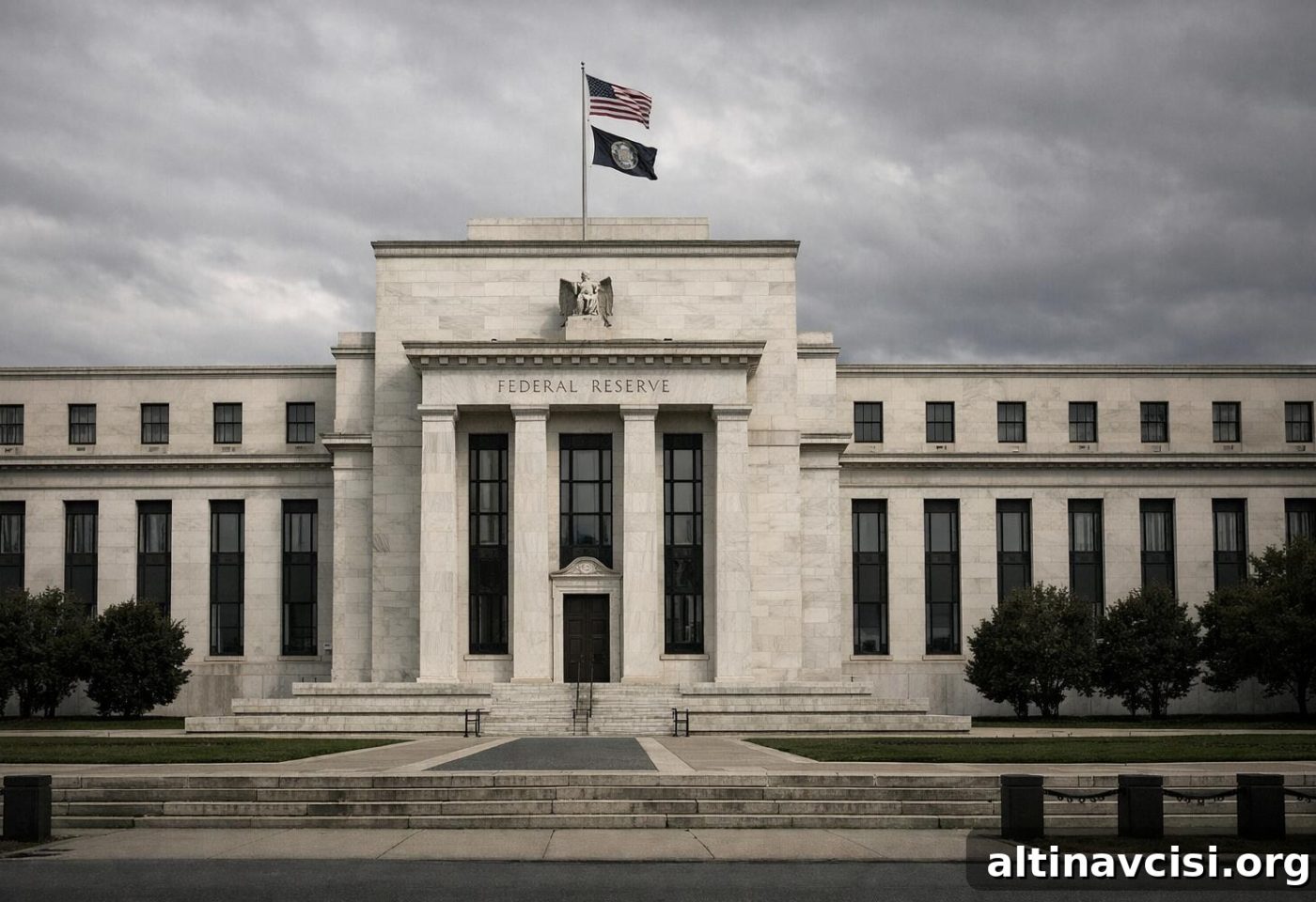
The Federal Reserve begins a two‑day policy meeting this week. A decision to hold rates is widely anticipated, so attention will focus on the updated projections — the so‑called dot plot — and the accompanying commentary on how officials view inflation and growth risks through the rest of the year.
Before the recent geopolitical shock, markets had priced in at least one rate cut for the year. The surge in oil and the resulting inflationary pressure have complicated that outlook. With GDP growth already soft in some readings, the risk now described by analysts is stagflation: slowing activity combined with persistent price pressures. Historically, such an environment has been favorable for precious metals because real interest rates tend to adjust in ways that reduce the cost of holding non‑yielding assets like gold and silver.
Stay On Top of Gold & Silver Prices
Sign up for concise market updates and alerts delivered by email. Regular updates cover price moves, Fed developments and key geopolitical developments affecting metals and energy markets.
Note: newsletter sign‑up forms and live widgets were removed from this page for clarity.
You May Also Like
- Gold Supply Outlook: As Prices Rise, Producing Nations Want a Bigger Share
- Why Oil Is Surging and Gold Isn’t (Yet)
- Gold Price Rises as Iran War Escalates
- February 2026 CPI Report: Inflation Calm Before Oil Shock Hits
- Ray Dalio: Gold Is Still “The Safest Money”
- The CPI Report and Gold: Why Inflation Data Moves the Metal
Popular Topics
Picked from the archive
-
01
 Topics
How COMEX Sets Gold Prices and Moves Global Markets
-
02
Topics
UBS Warns Investors: USD Unattractive After 10% Annual Drop
-
03
Topics
Dollar Hits Multi-Year Low as $3.3T Trump Budget Spurs Debt Risk
-
04
Topics
Trump Targets Powell Over Fed Spending, White House Tensions Rise
-
05
Topics
How to Invest in Silver: A Practical Guide to Growing Wealth
-
06
Topics
Tariff Burden Shifts to Consumers, Could Push Inflation to 3.2%
-
07
Topics
Silver Could Double in 2025 as Dollar Dominance Fades
-
08
Topics
Market Update: Gold Steady, Shoppers Cautious, Nvidia Scrutinized