How CPI Inflation Data Drives Gold Prices
Daily News Nuggets | Today’s top stories for gold and silver investors
March 10th, 2026 | Brandon Sauerwein, Editor
Precious Metals Steady After the January Surge
Gold remained near $5,200 per ounce on Tuesday, while silver traded around $89.00 — keeping both metals well inside rally territory. The market has shown notable strength in recent months as investors seek protection and exposure to tangible assets.
So far this year, gold has gained about 18.6%, while silver has surged roughly 23.3%, outpacing its yellow-metal counterpart. Both metals rallied sharply in mid-to-late January, paused for a brief correction, and have since been reclaiming lost ground. That pattern — a fast move up, a short pullback, and then renewed upward momentum — is common in strong commodity rallies and suggests both profit-taking and fresh buying have been in play.
Gold and Silver Prices Year-to-Date
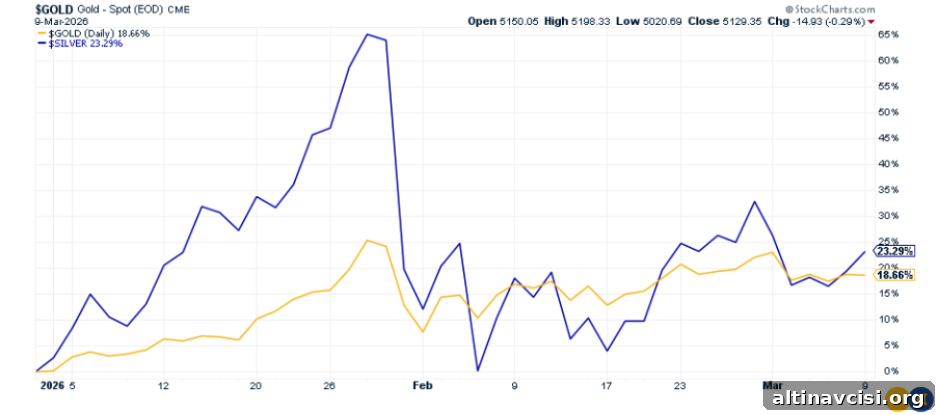
The recent dip proved temporary, and both metals have been steadily regaining ground. Silver’s stronger performance is familiar to veterans of precious-metals bull markets: silver benefits from both safe-haven demand and industrial consumption. Because it serves important roles in solar panels, electronics, and EV components, a rise in investor interest can amplify silver’s move relative to gold.
The fundamental drivers behind the rally are still intact. Concerns about inflation, the implications of upcoming inflation data for monetary policy, rising sovereign debt levels, and continued geopolitical instability are all encouraging capital flows into hard assets. Until those conditions change materially, the trend for precious metals appears to have room to continue.
Trump: The Iran War Could Be “Very Close” to Over
President Trump said the campaign may be nearing an end, claiming that U.S. and allied forces were ahead of schedule in a coordinated effort of targeted strikes intended to degrade Iran’s military capabilities and limit its nuclear ambitions. Markets reacted to that message because a rapid de-escalation would likely remove some of the geopolitical risk premium currently priced into oil and, to an extent, gold.
If the conflict were to wind down quickly, markets could see a swift repricing of energy and safe-haven assets. However, officials and analysts remain cautious, since activity across the region continues and the ground-level situation appears more complex than a single statement can convey.
Iran Expands Attacks Across the Middle East
The situation on the ground remains volatile. Hours after claims that the campaign was progressing well, Tehran launched fresh waves of missile and drone strikes targeting Israel and several Gulf states. Some regional air defenses intercepted incoming threats, but the scale and geographic spread of the attacks indicate that the conflict is widening rather than narrowing.
What began as a series of targeted operations has expanded into a broader regional confrontation without a clearly defined exit ramp. Iran’s recent actions appear aimed at demonstrating reach and deterrence across the region rather than moving toward ceasefire negotiations. That uncertainty raises the risk premium for markets that are sensitive to geopolitical disruptions.
A key economic consequence is continued pressure on critical shipping lanes such as the Strait of Hormuz, a chokepoint for a significant share of global oil flows. When shipping risks rise, energy prices and insurance costs typically increase, keeping supply chains and commodity markets on edge. Until the trajectory of the conflict becomes clearer, expect elevated volatility in energy markets and related assets.
The Edge Every Investor Needs
Smarter precious metals investing starts here. The Nuggets Newsletter delivers essential market insights, central bank developments, global trends, and educational content to help you make informed decisions.
Subscribe to receive timely alerts on gold and silver prices, market commentary, and analysis straight to your inbox.
Wednesday’s CPI Report: Hotter Than Expected Would Sting
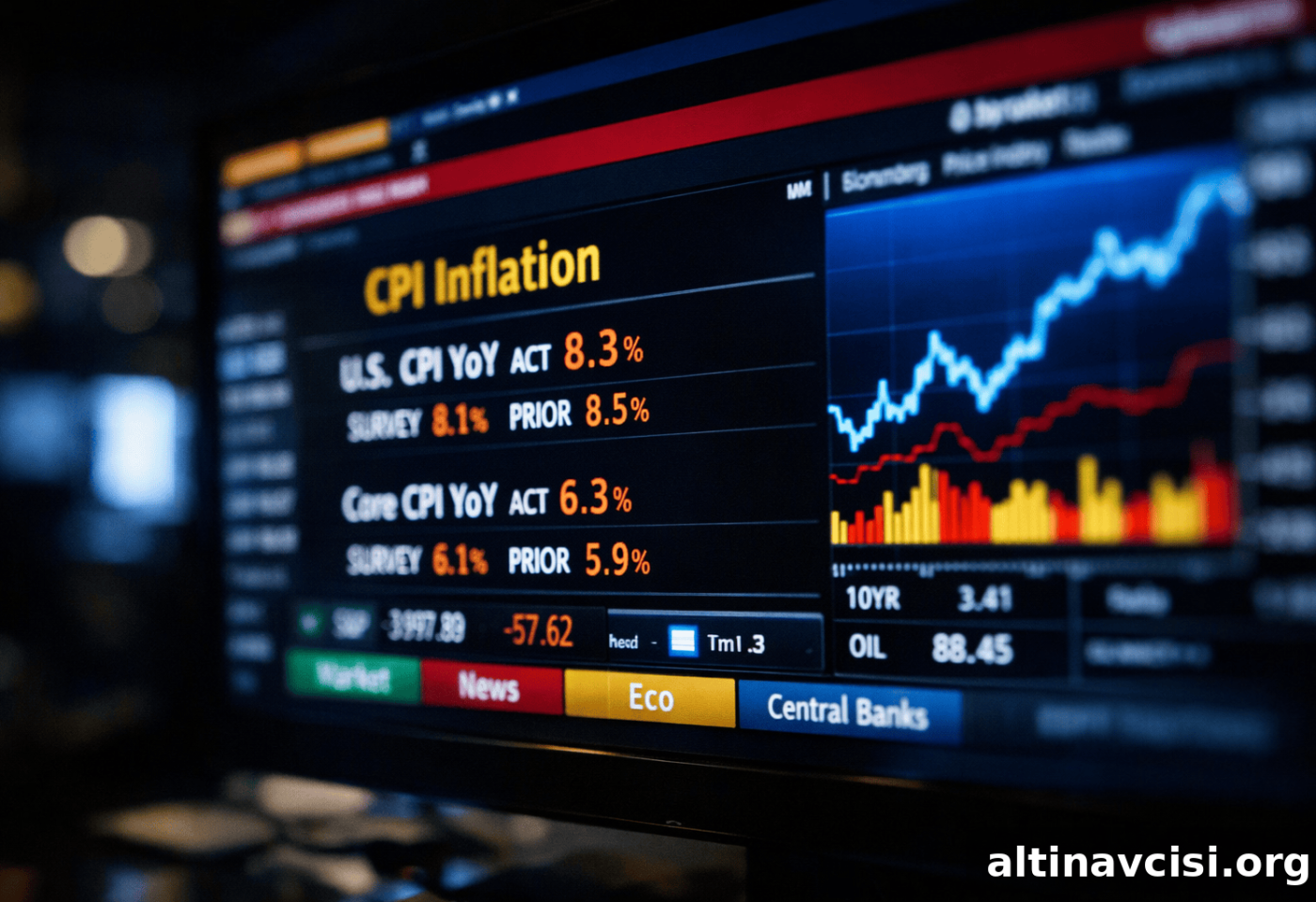
The timing of the upcoming inflation report is consequential. February’s consumer-price data arrives into a market already coping with war-driven energy costs and shipping disruptions that have pushed certain prices higher. Historically, strong inflation prints tend to support gold by reinforcing its appeal as an inflation hedge.
The Federal Reserve will monitor the report closely. A hotter-than-expected print would likely push expectations for rate cuts further into the future, maintaining tighter financial conditions through the spring. That change matters broadly: inflation surprises typically move stocks, bonds, and commodities at once, while gold often benefits as investors seek protection against eroding purchasing power.
If the report surprises on the upside, it could act as a near-term catalyst for precious metals, testing whether current buying momentum is durable. Conversely, a softer print could temper some inflation-driven flows, though geopolitical risk would remain an offsetting factor for safe-haven demand.
The World Gold Council’s Case for Gold
The World Gold Council’s February commentary argued that the dollar’s decline is not finished, but rather in a temporary pause. In their view, a short-lived recovery in the dollar was driven by positive economic surprises, yet structural forces are still pushing currency trends and capital flows in ways that can benefit gold.
The structural case is simple: when equity markets and the dollar become stretched by historical standards, the combination of currency weakness and persistent global demand can shift investor behavior. Alternatives in Europe and Japan have attracted attention, and capital rotation is visible in ETF flows and regional trading volumes.
February’s global ETF inflows into gold were substantial, with particularly strong participation from Asian markets. Elevated volumes on regional exchanges and steady buying during Asian trading hours suggest that Eastern investors are active and not waiting for Western markets to set the pace. From a supply-and-demand perspective, a weaker dollar makes gold cheaper for buyers outside the U.S., increasing global demand without a corresponding increase in available supply.
That dynamic — more buyers chasing largely fixed short-term supply — supports the case that the current upward trend in gold may persist unless there is a meaningful shift in macroeconomic or geopolitical conditions.
Stay On Top of Gold & Silver Prices
Get important market alerts sent straight to your inbox.
Live price widget removed for security. Check your trusted platform for real-time quotes.
You May Also Like
- Gold Price Today: Why This Week’s News May Be Bullish for Gold
- Gold Price Outlook: What Could Push Gold to $6,300
- Gold and Silver Prices Today: Iran, Oil, and a $1.3B Bet
- Gold and Silver Are Climbing While the World Watches Hormuz
- Hormuz, the Fed, and the Battle for Safe-Haven Status
Popular Topics
Picked from the archive
-
01
 Topics
How COMEX Sets Gold Prices and Moves Global Markets
-
02
Topics
UBS Warns Investors: USD Unattractive After 10% Annual Drop
-
03
Topics
Dollar Hits Multi-Year Low as $3.3T Trump Budget Spurs Debt Risk
-
04
Topics
Trump Targets Powell Over Fed Spending, White House Tensions Rise
-
05
Topics
How to Invest in Silver: A Practical Guide to Growing Wealth
-
06
Topics
Tariff Burden Shifts to Consumers, Could Push Inflation to 3.2%
-
07
Topics
Silver Could Double in 2025 as Dollar Dominance Fades
-
08
Topics
Market Update: Gold Steady, Shoppers Cautious, Nvidia Scrutinized