Fed Rate Cut Sparks Silver Rally Above $62
Daily News Nuggets | Today’s top stories for gold and silver investors
December 11, 2025
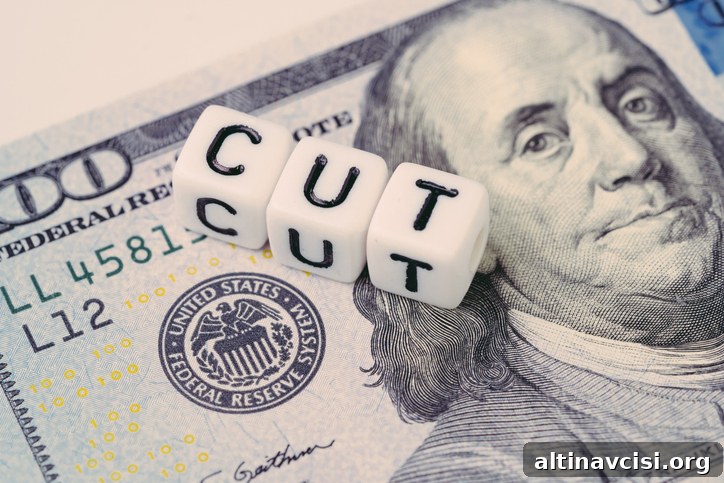
Fed Delivers Third Rate Cut of 2025, Signals Caution Ahead
The Federal Reserve cut its benchmark interest rate by 25 basis points on Wednesday, taking the target range to 3.50%–3.75%. This marks the third consecutive rate reduction since September. The vote exposed divisions within the committee: three policymakers dissented, with two opposing any cut and one arguing for a larger, 50-point reduction.
Chair Jerome Powell described the environment as “challenging.” The Fed is trying to balance a weakening labor market against a still-elevated inflation rate—partly attributed to tariff-driven price increases. The central bank’s latest projections show only one additional cut expected in 2026, suggesting that further easing is not guaranteed.
That uncertainty matters for precious metals. Gold and silver often benefit when real yields fall and economic uncertainty rises. If the Fed pauses further cuts while inflation remains above target, safe-haven demand could continue to support both metals as investors seek protection from currency and market instability.
Stay On Top of Gold & Silver Prices
Get important market alerts sent straight to your inbox.
Silver Smashes Record High After Fed Decision
Silver surged to an all-time high of $62.89 per ounce after the Fed’s rate cut. That gain pushes silver more than 113% higher in 2025, its strongest annual performance since 1979, and far outpaces gold’s 59% advance this year.
Three primary forces are fueling silver’s rally. First, a supply squeeze that began in October continues to tighten available inventories. Second, sustained industrial demand—especially from solar-panel manufacturing and electric vehicles—has increased consumption. Third, the U.S. designation of silver as a critical mineral has raised the metal’s strategic importance for industry and national security.
Although some metal has moved into London vaults to ease shortages, borrowing costs for silver remain unusually high, indicating the squeeze may not be over. Chinese inventories have also fallen to decade lows. Lower interest rates make non-yielding assets like silver more attractive, and speculators are treating silver’s smaller, more volatile market as a leveraged way to gain exposure to precious metals.
Fed Resumes Treasury Purchases to Support Markets
Alongside rate cuts, the Federal Reserve will resume buying Treasury securities, beginning with roughly $40 billion in purchases. Elevated Treasury buying is expected to continue into early 2026. After pausing balance sheet runoff in October, the Fed is once again expanding its holdings.
Analysts describe this program as a form of “stealth” easing: by buying Treasuries the Fed raises bond prices and pushes yields lower without changing the nominal policy rate. The stated objective is to maintain ample reserves in the banking system during a period of heightened uncertainty.
For gold and silver, renewed balance-sheet expansion is significant. Increased liquidity in financial markets tends to weaken the U.S. dollar and lift precious metals. If Treasury purchases remain elevated through next year, they could provide a steady tailwind for both gold and silver.
Why the Next Fed Chair Could Change Everything
Jerome Powell’s term concludes in May 2026, and attention is turning to his possible successor. Kevin Hassett, former director of the National Economic Council, has emerged as a leading candidate in recent prediction markets.
Hassett has signaled he would favor immediate rate cuts, aligning with political pressure for lower borrowing costs. That stance raises questions about the Fed’s independence and monetary priorities. If the next chair focuses primarily on growth and cheap credit, policy would likely remain more accommodative—supportive for gold and silver through lower real yields and increased liquidity.
Whoever assumes leadership will face major challenges beyond setting interest rates, including debt pressures, inflation dynamics, and financial stability considerations.
U.S. National Debt Crosses $38 Trillion
The U.S. national debt exceeded $38 trillion in October, marking one of the largest single increases outside the pandemic era. That milestone arrived amid political standoffs and a government shutdown, underscoring the scale of fiscal strain.
Put in context, the aggregate debt implies a very large burden per person and per household, and interest payments on the debt are approaching levels that significantly impact federal spending priorities. Rising debt and large deficit financing needs can put downward pressure on the currency and raise concerns about long-term purchasing power.
For investors, those dynamics help explain why gold has remained near record highs despite some calls that it was overvalued. During periods of fiscal stress and mounting currency concerns, gold’s historical role as a store of value becomes more relevant to portfolios seeking protection from inflation and policy uncertainty.
The Financial System Isn’t Safer — And You Know It As risks mount, see why gold and silver are projected to remain attractive through 2026 and beyond.
Bottom line for investors: monetary policy, balance-sheet moves, and fiscal pressures are creating an environment that favors precious metals. Silver’s rapid gains reflect both industrial demand and a tight supply backdrop, while gold continues to attract capital as a hedge against inflation and currency risk. Monitor Fed guidance, Treasury purchase plans, and inventory reports closely—those signals will be central to how gold and silver perform in the months ahead.
Popular Topics
Picked from the archive
-
01
 Topics
Dollar Steadies After Jobs Data Shock Sends 90% Odds of Fed Cut
-
02
Topics
Silver Price Falls on Index Rebalancing Ahead of Jobs Report
-
03
Topics
CBO: Trump Tax Law Increases U.S. Deficit by 3.4 Trillion
-
04
Topics
Gold Price Rises as Trump Escalates Trade Tensions with Asia
-
05
Topics
Gold Price Could Surge to $3,800 by Mid-October
-
06
Topics
How to Open a Precious Metals IRA with GoldSilver
-
07
Topics
US Economy at a Crossroads: Jobs Stall as Inflation Persists
-
08
Topics
Gold Prices Rise for Seventh Week as Jobs Data Goes Dark