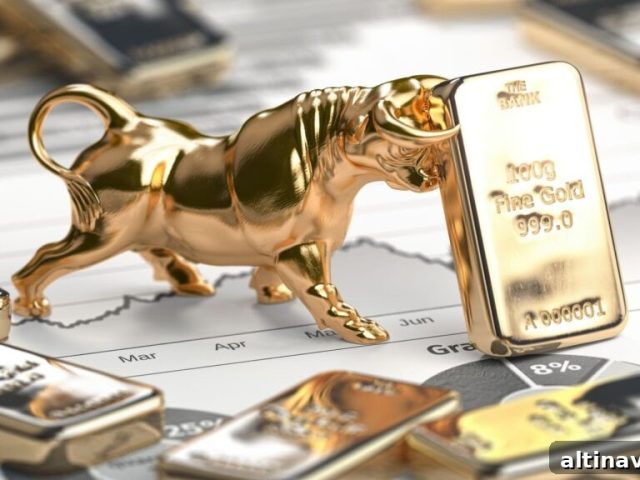
Why Americans Are Missing Out on Gold’s 60% Rally
Daily News Nuggets | Today’s top stories for gold and silver investors
December 12, 2025
Silver Doubles as Precious Metals Rally Continues
Silver surged to $64.29 this week, more than doubling from roughly $32 just eight months ago. That dramatic move has brought the gold-to-silver ratio down from an extreme 104:1 in April to a more typical 67:1 today, signaling a renewed catch-up by silver versus gold.
Gold remains strong as well, trading near $4,275 and holding close to a seven-week high. The Federal Reserve’s third consecutive rate cut and a weaker U.S. dollar have helped support both metals, but the rally extends beyond monetary policy alone.
The drivers for silver’s steeper rise are largely structural. Severe supply deficits, persistent underinvestment in primary silver mining and rapidly growing industrial demand have combined to tighten the market. Technologies such as solar panels, electric vehicles and large-scale data centers tied to artificial intelligence are consuming more silver than ever, compressing available supply for investors and industrial users alike.
Gold’s advance is more characteristic of its traditional roles: a hedge against geopolitical uncertainty and inflation, and an allocation vehicle when real interest rates fall. Together the two metals have shown exceptional performance: silver is up about 111% year-over-year, gold is up roughly 64%, and both have posted double- or triple-digit gains over the past two years.
For investors, the current price action highlights both the cyclical and structural elements shaping the precious metals complex. Short-term momentum can be intense, yet the secular story—demand growth for industrial silver and safe-haven demand for gold—remains the principal context for positioning.
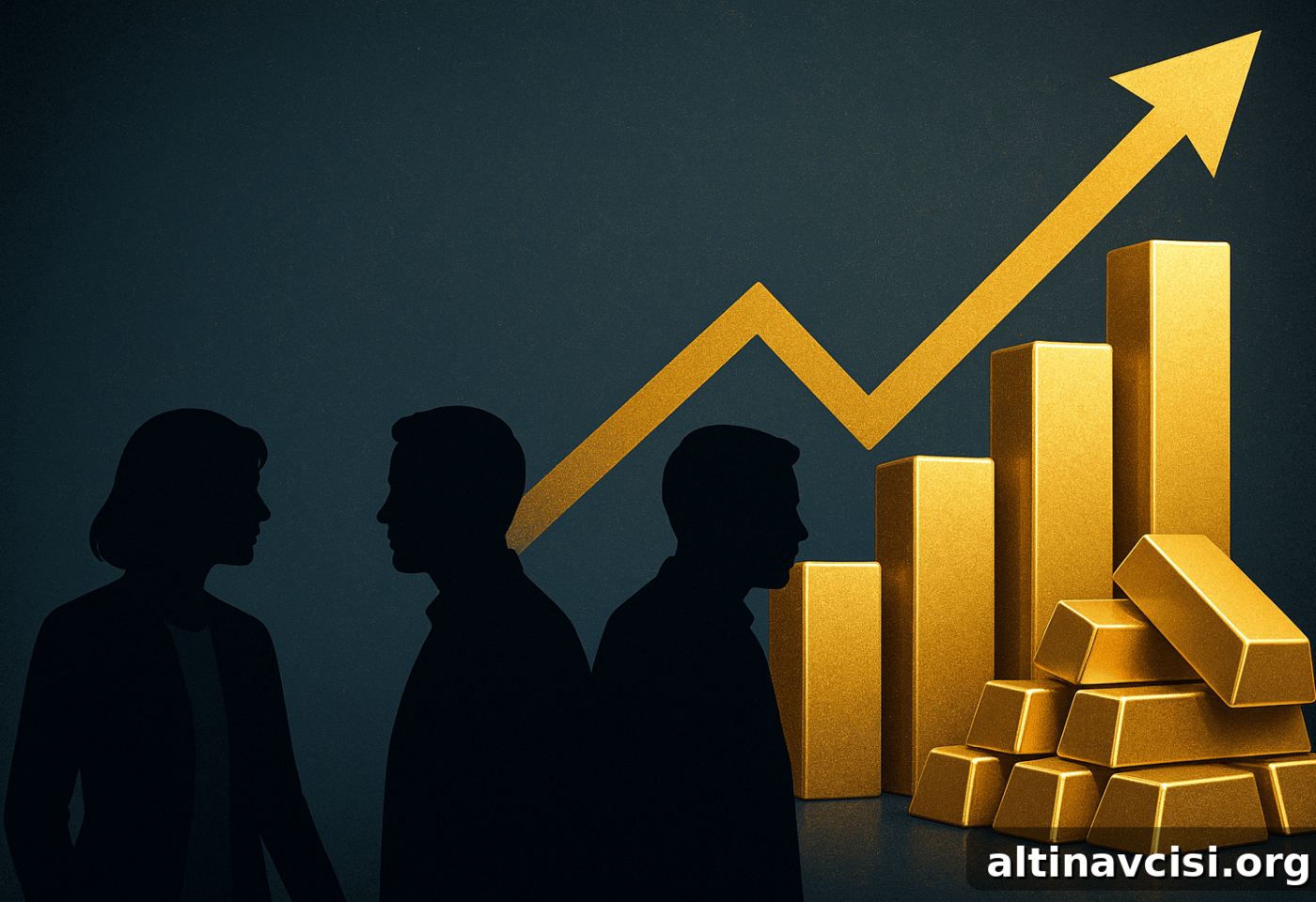
Americans Barely Own Gold — And That Could Send Prices Higher
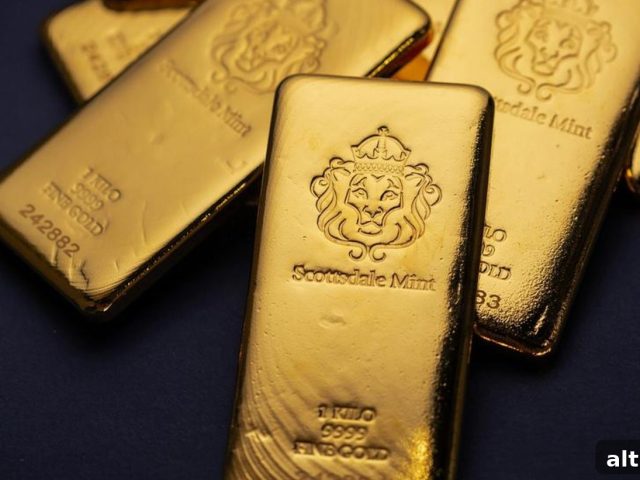
Despite gold’s more than 60% rally this year, many U.S. investors have remained on the sidelines. Research from major banks shows that gold ETFs represent only a tiny fraction of American private portfolios—about 0.17%—compared with the roughly $112 trillion held in stocks and bonds.
Even among large institutional investors, less than half hold any meaningful gold exposure, and those that do typically allocate only 0.1% to 0.5% of their portfolios. The gold market itself is comparatively small—roughly 70 times smaller than the global Treasury market—so modest shifts in allocation away from bonds and into gold could lead to outsized price moves.
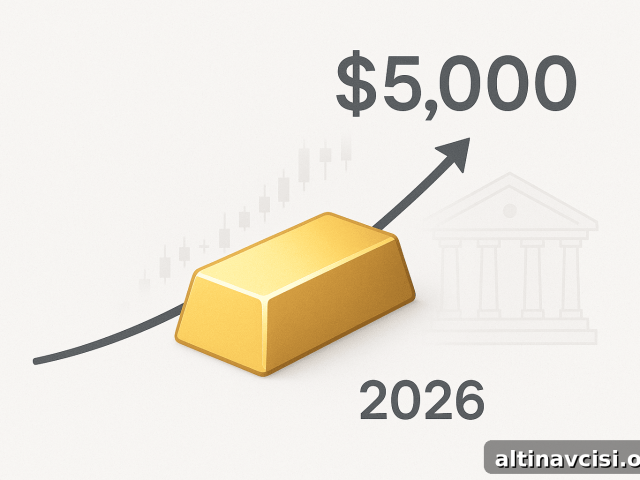
Analysts describe this as “large upside risk.” If institutions and private investors begin to diversify even slightly more into gold—whether to hedge inflation, diversify fixed-income-heavy portfolios, or respond to ongoing central bank purchases—price appreciation could accelerate. One widely cited forecast anticipates a path toward $4,900 by end-2026, and the limited current U.S. participation leaves room for higher-than-expected outcomes.
In short, the combination of a relatively small market, growing central bank demand and low private ownership creates a dynamic in which incremental flows can have a disproportionate impact on price.
Oil Tumbles on Oversupply Fears
Crude oil prices extended declines for the fourth consecutive day, with Brent settling near $61 and WTI around $57—both roughly 4% lower on the week. Market sentiment has shifted toward concerns that global supply will match or exceed demand in 2026, reversing earlier expectations for a tightening market.
Geopolitical developments—such as strikes on energy infrastructure and heightened tensions between major producers—continue to create episodic price spikes. However, analysts say these disruptions tend to be short-lived when the broader supply picture points to excess production. Unless consumption accelerates materially, oversupply will likely remain the dominant influence on prices over the near term.
Fed Split: Why Two Officials Voted Against the Rate Cut
At the most recent Fed meeting, two regional presidents dissented from the majority decision to cut rates. Chicago Fed President Austan Goolsbee and Kansas City Fed President Jeff Schmid both favored holding policy steady, citing stalled progress on inflation and the need for more data before loosening policy further.
Goolsbee noted that inflation has shown little improvement over the past six months and argued that waiting until the new year would have posed limited additional risk. Schmid emphasized concerns that policy might not be sufficiently restrictive given ongoing economic momentum and inflation that remains “too hot.”
The two dissenting votes marked the first three-dissent meeting since 2019 and underscore the difficult trade-offs the Fed faces: supporting a gradually cooling labor market while avoiding a premature easing that could reignite inflation. For markets, the split suggests the potential for fewer rate cuts in 2026 than some participants had anticipated.
AI Boom Becomes Trump’s Economic Double-Edged Sword
The surge of investment in artificial intelligence has become a political challenge for the administration. While AI deployment is credited with boosting productivity and equity-market gains and is portrayed as a strategic advantage in competition with other major powers, it is also generating voter concerns that could have electoral consequences ahead of the midterms.
Two main worries have emerged among the public: higher energy bills driven by power-hungry data centers and the prospect of job displacement as automation spreads. The rapid expansion of AI-related infrastructure has concentrated wealth gains in the technology sector, producing a “lopsided” pattern of economic benefits that do not flow evenly across workers and regions.
For policymakers, the dilemma is how to sustain technological leadership and the economic growth it can produce while addressing the distributional effects—rising costs for some households and anxiety about employment prospects for others. Financial markets have reaped substantial returns from AI-driven growth, but the same cycle has prompted warnings about concentration risk and intermittent valuation corrections.
The Financial System Isn’t Safer — And You Know It
As risks mount, gold and silver remain critical tools for portfolio diversification. Monitor price trends, central bank activity and industrial demand to stay informed through 2026 and beyond.
Summary: Precious metals are experiencing a powerful rally driven by a mix of monetary policy, structural supply constraints and rising industrial demand for silver. Underappreciated retail and institutional exposure in the U.S. suggests potential for further inflows into gold. Meanwhile, oil faces headwinds from an emerging oversupply narrative, and the Fed’s internal split highlights the uncertain path for future rate decisions. The rapid rise of AI is reshaping economic growth but creating political and distributional tensions that could influence markets and policy decisions going forward.
Popular Topics
Picked from the archive
-
01
 Topics
June CPI Jumps 2.7 Percent as Tariffs Push Up Consumer Prices
-
02
Topics
Gold Prices Rise as Dollar Slips Ahead of Fed Rate Decision
-
03
Topics
Gold Purity Guide for Investors: Karats, Fineness and Value
-
04
Topics
Gold Prices Surge as Middle East Tensions Escalate
-
05
Topics
Russia Taps $1B Chinese Gold Market Amid Geopolitical Shift
-
06
Topics
Gold’s Bull Run: Fed Rate Cuts and China Buying Drive $5K Target
-
07
Topics
Treasury Yields Jump After May Inflation Tops Estimates at 2.7%
-
08
Topics
5 Factors That Drive Gold Spot Prices